
Indonesia’s state-owned firms sign green hydrogen deal with Germany’s AGI
- August 29, 2023
- Posted by: Quatro Strategies
- Categories: Asia Pacific, ESG & Renewable Energy, Europe
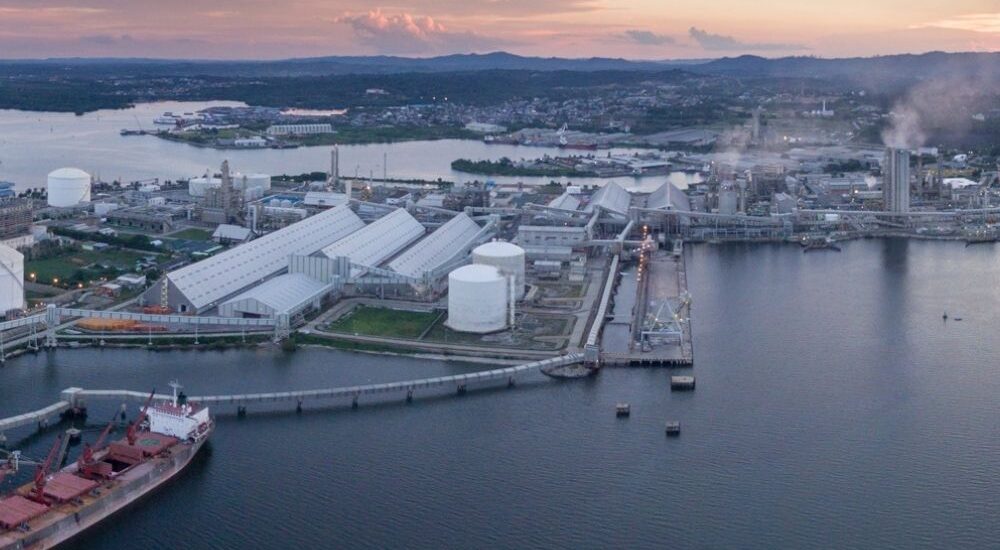
Indonesian state-owned companies are embarking on a partnership with Germany’s Augustus Global Investments (AGI) to establish a green hydrogen production plant in Indonesia’s Aceh province. The ambitious project aims to construct a green hydrogen production facility with a capacity of 35,000 tons per year, spanning an area of approximately 50 hectares. The estimated development cost of the plant varies between $400 million and $700 million, depending on the chosen mode of transporting green hydrogen, whether in compressed, liquid, or alternative forms.
The collaboration involves agreements between AGI and Indonesian state-owned fertilizer firms, Pupuk Indonesia and Pupuk Iskandar Muda, for securing land for the green hydrogen production project. Additionally, a separate agreement has been established with state-owned utility company PLN to ensure a steady supply of renewable energy for the plant’s operations.
The project is set to be situated in the Arun Lhokseumawe special economic zone (SEZ) in Aceh, selected due to its abundant renewable energy resources and strong government support. This location is strategic as it offers favorable conditions for green hydrogen production and access to global trade routes.
Indonesia is poised to leverage its substantial renewable energy potential and government backing to become a significant player in the green hydrogen sector. The nation’s proximity to international trade routes is seen as a valuable asset in its bid to develop a robust green hydrogen industry.
Currently, Indonesia consumes approximately 1.75 million tons of hydrogen annually, with notable utilization in the urea sector. The nation is looking to initiate decarbonization efforts in its transportation sector by 2031 and in the industrial sector by 2041, in alignment with its broader sustainability goals. The partnership with AGI signals Indonesia’s commitment to advancing its green energy transition and fostering a green hydrogen economy.
Interested in learning more?
Sign up for Top Insights Today

Top Insights Today delivers the latest insights straight to your inbox.
You will get daily industry insights on
Oil & Gas, Rare Earths & Commodities, Mining & Metals, EVs & Battery Technology, ESG & Renewable Energy, AI & Semiconductors, Aerospace & Defense, Sanctions & Regulation, Business & Politics.
Read more insights
Washington targets Iran’s “dark fleet” with fresh sanctions
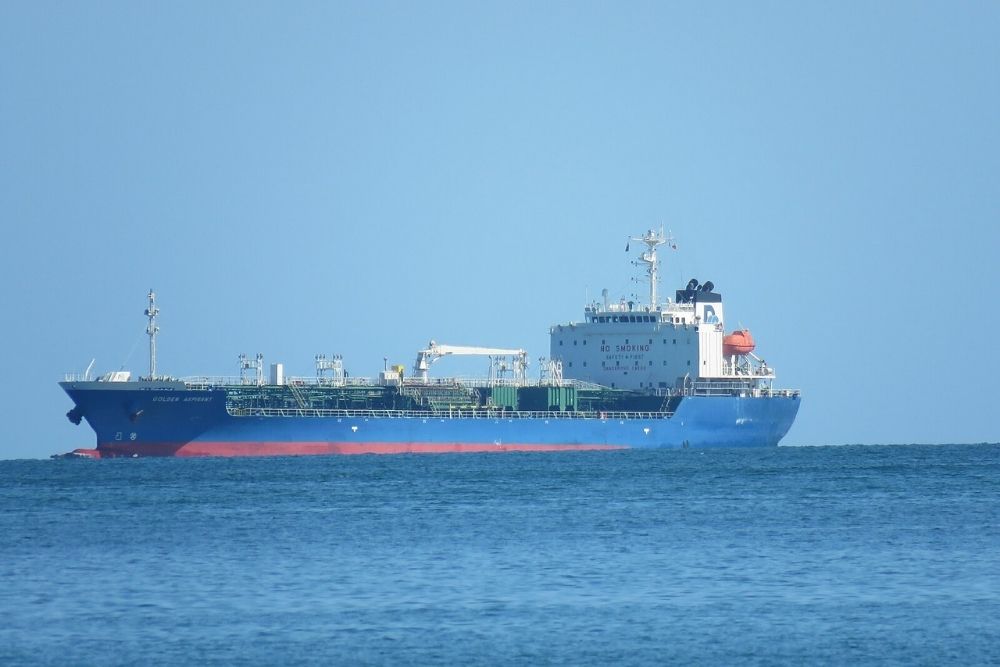
The Trump administration’s decision to roll out another round of Iran-related sanctions on Thursday underscores Washington’s intent to intensify “maximum pressure” on Tehran, even as prospects for nuclear diplomacy remain bleak. The new measures target 13 entities spanning Hong Kong, mainland China, the UAE, and the Marshall Islands, alongside eight vessels alleged to be transporting Iranian oil in violation of sanctions.
At the center of this latest enforcement push is Greek national Antonios Margaritis, whose network of companies and crude tankers was blacklisted for orchestrating shipments of Iranian crude disguised through complex ownership and flagging arrangements. Among the designated ships are the Adeline G and Kongm (Panama-flagged), and the Lafit (flagged by São Tomé and Príncipe).
Carmakers rush to refill magnet stocks as China tightens rare earth export licences
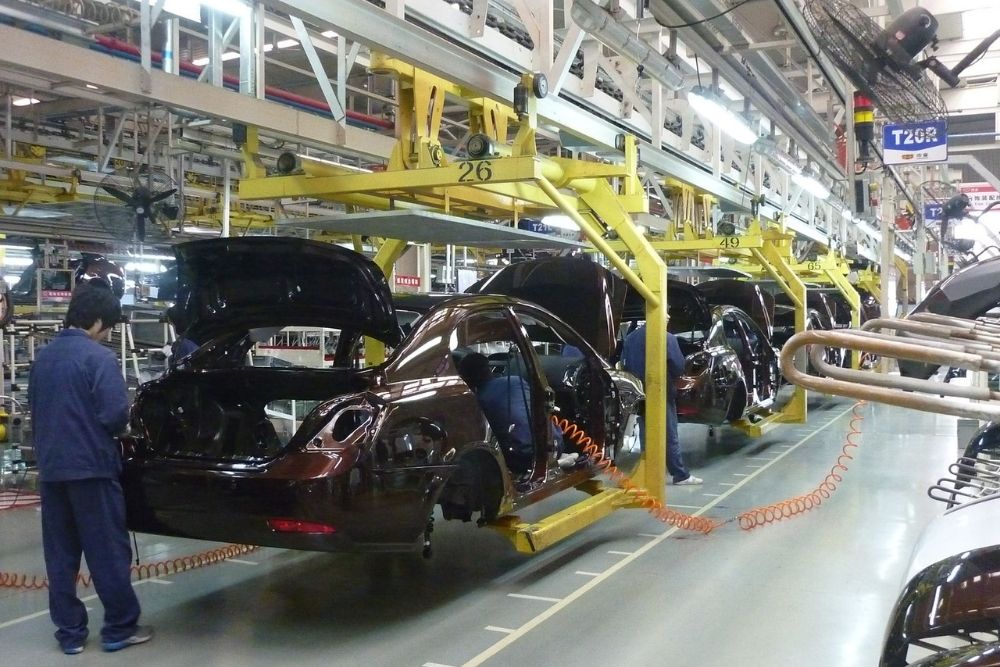
Global carmakers are back in crisis mode over a tiny set of metals that sit at the heart of modern drivetrains. With Beijing widening export licensing across the rare-earths chain and tightening approvals, purchasing teams are racing to refill dwindling stocks of magnet materials before new rules bite.
The immediate worry isn’t ore in the ground; it’s the midstream choke points of refining, alloying and magnet making, where China dominates. That is why even firms that scrambled to build inventories after the spring curbs now find shelves thinning again. Shipping times of four to six weeks from China to Europe, layered on top of licensing uncertainty, leave little margin for error as the November deadline approaches.
TotalEnergies, Air Products forge green hydrogen supply deal for Northern Europe
TotalEnergies announced on Friday a significant agreement with U.S.-based industrial gases company Air Products and Chemicals for the delivery of green hydrogen. The deal, spanning 15 years, entails the annual supply of 70,000 tons of green hydrogen in Europe, commencing in 2030, as stated in a press release by TotalEnergies…