
Italy’s Eni agreed to sell Nigerian onshore subsidiary to local company Oando
- September 5, 2023
- Posted by: Quatro Strategies
- Categories: Africa, Business & Politics, Europe, Oil & Gas

Italy’s Eni has reached an agreement to sell its Nigerian onshore subsidiary, Agip Oil Company Ltd (NAOC), to local firm Oando. This move is part of Eni’s broader strategy to reduce its exposure to oil in favor of natural gas, following the sale of its oil activities in the Congo Republic in June. However, Eni will retain its offshore activities in Nigeria.
For Oando, the acquisition of NAOC Ltd will significantly boost its reserves, nearly doubling them to 996 million barrels of oil equivalent. The purchase is expected to increase production for Oando and highlights the growing role of indigenous companies in Nigeria’s upstream sector.
The exact financial details of the deal were not disclosed, but investment bank Jefferies estimated the transaction to be valued at over $500 million. This sale follows a trend of international oil majors divesting their onshore assets in Nigeria due to challenges such as oil theft, spills, community conflicts, and a shift toward more focused exploration budgets.
Most major oil companies have retained stakes in offshore assets in Nigeria despite divesting from onshore operations. Nigeria, Africa’s largest oil exporter, faces challenges in maintaining and expanding its oil production due to theft and underinvestment. However, some energy majors are hesitant to invest further in developing these offshore assets as they intend to sell them.
The sale of NAOC Ltd is subject to local and regulatory approvals. After the transaction, Eni will maintain a 5% stake in the Shell Production Development Company (SPDC) joint venture operated by Shell. The Nigerian government has been keen to attract investment in its oil sector, which is vital for its foreign exchange earnings, but other proposed deals have faced legal and regulatory challenges.
This sale reflects the evolving dynamics in Nigeria’s oil and gas sector and highlights the increasing importance of indigenous companies in its development.
Interested in learning more?
Sign up for Top Insights Today

Top Insights Today delivers the latest insights straight to your inbox.
You will get daily industry insights on
Oil & Gas, Rare Earths & Commodities, Mining & Metals, EVs & Battery Technology, ESG & Renewable Energy, AI & Semiconductors, Aerospace & Defense, Sanctions & Regulation, Business & Politics.
Read more insights
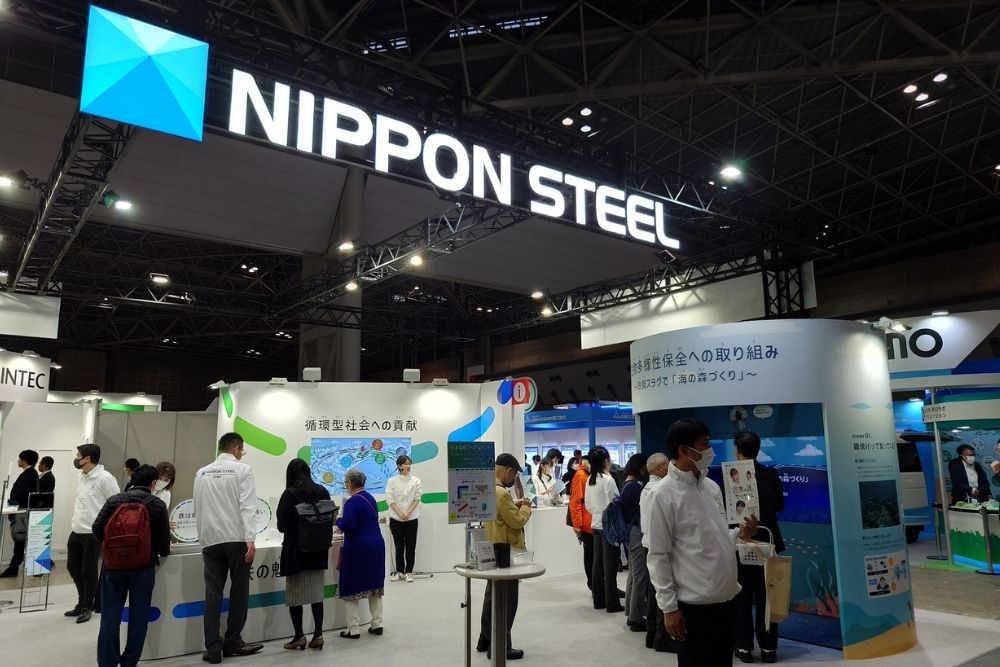
US scrutinizes Nippon Steel’s US Steel acquisition over the company’s China connections
The Biden administration’s scrutiny of Nippon Steel Corp.’s connections to China has significant implications for its proposed acquisition of United States Steel Corp. This move reflects the administration’s priority of safeguarding American industry and addressing concerns about the influx…
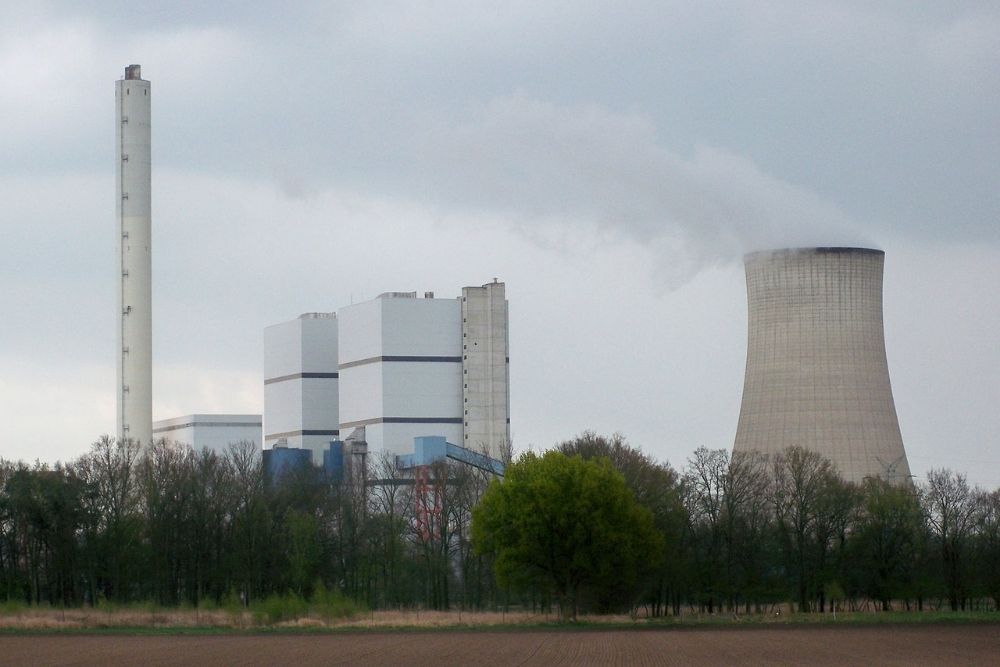
Germany restarting coal fired power plants from October to March
Germany’s cabinet has given its approval to reactivate on-reserve lignite-fired power plants starting from October and running through until the end of March 2024, according to the country’s economy ministry. This move is aimed at mitigating the impact of a shortage of natural gas this winter…

As defense spending surges, European funds reevaluate military stocks
European asset managers are shifting their stance on defense investments as geopolitical pressures mount and client demand grows. With the European Union seeking around €800 billion ($870 billion) to bolster its defense capabilities, major asset managers are reconsidering long-standing exclusions on defense stocks.
The urgency has increased following U.S. President Donald Trump’s calls for Europe to take greater responsibility for its own security, reinforcing the need for stronger military investment. This shift has been further driven by the recent surge in European defense stocks, such as Rheinmetall and Leonardo, which have reached record highs, making them increasingly difficult for asset managers to overlook.