
Italy’s Eni granted second carbon storage license in Britain
- September 18, 2023
- Posted by: Quatro Strategies
- Categories: ESG & Renewable Energy, Europe, Oil & Gas

Eni, a prominent Italian energy company, has achieved a significant milestone by securing a second license for carbon dioxide (CO2) storage in the United Kingdom. The license applies to the depleted Hewett gas field, strategically positioned 20 kilometers off the coast of Bacton in the southern sector of the North Sea in Britain. Notably, this is the second license of its kind that Eni has obtained in the UK.
In 2020, Eni successfully acquired a similar license for the Liverpool Bay Area. In this region, the company serves as the carbon dioxide transport and storage operator for the HyNet North West project. The overarching goal of Carbon Capture and Storage (CCS) technology, which is central to these endeavors, is to capture CO2 emissions either directly at the source of industrial processes or from their subsequent emissions into the atmosphere, followed by safe and secure underground storage.
In the case of this new license for the Hewett gas field, Eni foresees an initial storage capacity estimated at about 6 million tonnes of CO2 annually, beginning at the latter part of this decade. This storage capacity is planned to be progressively expanded, targeting a capacity exceeding 10 million tons post-2030. These advancements are part of a broader initiative aligning with the United Kingdom’s ambitious decarbonization agenda, aiming to achieve a significant milestone of storing 20-30 million tonnes of CO2 per year by the year 2030.
Eni’s commitment to carbon capture and storage projects is in line with global efforts to address climate change and reduce the overall impact of CO2 emissions on the environment. It’s a critical step towards sustainable energy practices and plays a pivotal role in shaping a greener and more environmentally conscious future.
Interested in learning more?
Sign up for Top Insights Today

Top Insights Today delivers the latest insights straight to your inbox.
You will get daily industry insights on
Oil & Gas, Rare Earths & Commodities, Mining & Metals, EVs & Battery Technology, ESG & Renewable Energy, AI & Semiconductors, Aerospace & Defense, Sanctions & Regulation, Business & Politics.
Read more insights

U.S. slaps surprise tariffs on gold bars, upending global bullion trade
The U.S. government’s surprise decision to apply tariffs on gold bar imports has unleashed fresh volatility in global bullion markets, raising the specter of disrupted trade flows, legal battles, and a reordering of financial infrastructure that underpins the global gold system. Prices surged in New York as traders rushed to reprice futures contracts that rely on the affected forms of gold, while London and Hong Kong saw discounts deepen, reflecting fears of a two-tiered market.
At the heart of the disruption is a clarification from U.S. Customs and Border Protection (CBP), which confirmed that 1-kilogram and 100-ounce gold bars, the most commonly used in U.S. futures trading, are subject to tariffs under President Donald Trump’s reciprocal trade regime.
Germany faces power price surge amid wind power shortfall, reliance on gas and oil
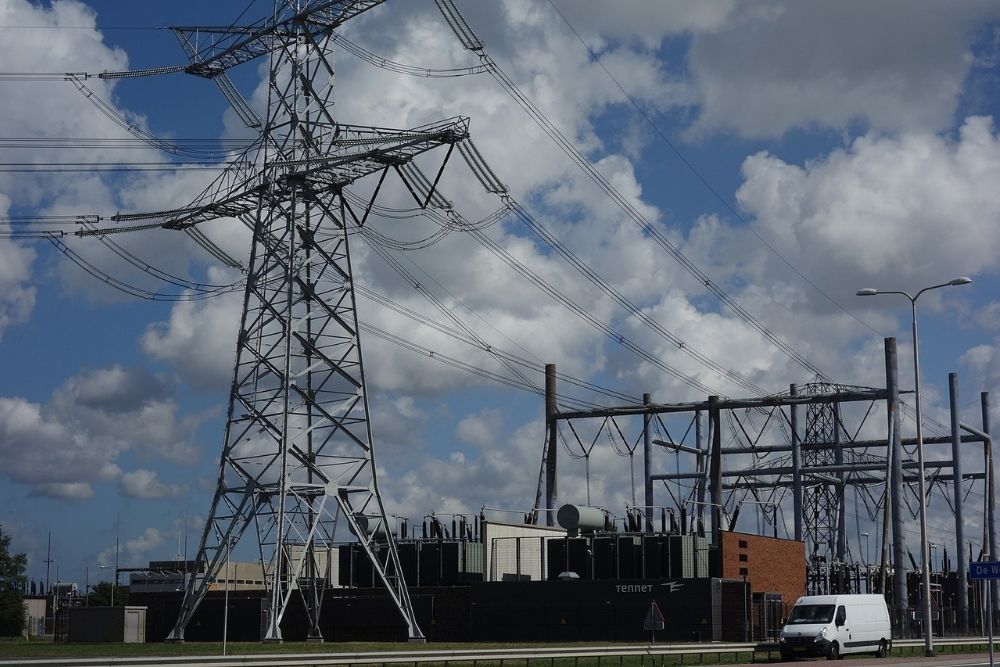
Germany’s power prices surged dramatically this week, reaching levels not seen since the 2022 energy crisis, driven by a sharp decline in wind power generation. On Wednesday, electricity imports into Germany hit a decade-high, and gas and oil-fired power plants ramped up production to meet the increased demand. This surge in demand pushed electricity…
Geopolitics collide with global supply chains, imperiling China’s car export drive
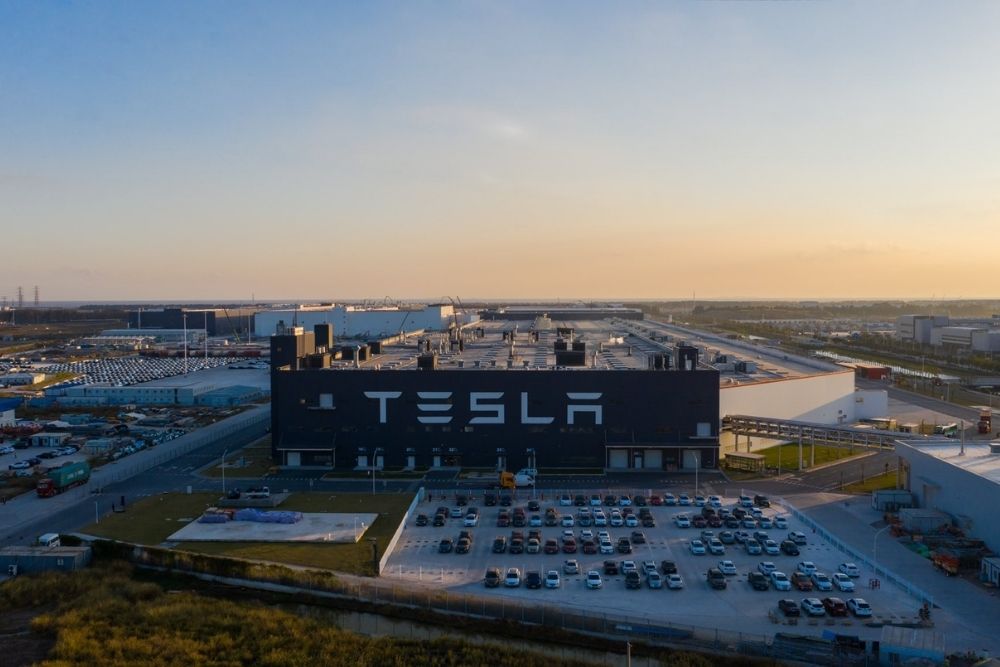
China’s booming car export industry is facing an unexpected roadblock, as President Donald Trump’s sweeping new tariffs—though not directly aimed at Chinese automobiles—are triggering economic fallout that may sharply curtail overseas demand, especially in key emerging markets. The warning comes from the China Passenger Car Association (CPCA), which on Wednesday cautioned that the broader effects of the tariffs could weigh more heavily on Chinese automakers than previously anticipated.
China remains largely shut out of the U.S. automotive market, especially for electric vehicles (EVs), which have faced a 100% tariff since the Biden administration. But CPCA said the real threat lies in secondary impacts: Trump’s latest tariffs, some of which exceed 40%, target key economies in Southeast Asia and Latin America that have become critical destinations for China’s auto exports.