
Italy’s Eni starts oil and gas production off Ivory Coast
- August 29, 2023
- Posted by: Quatro Strategies
- Categories: Africa, Oil & Gas
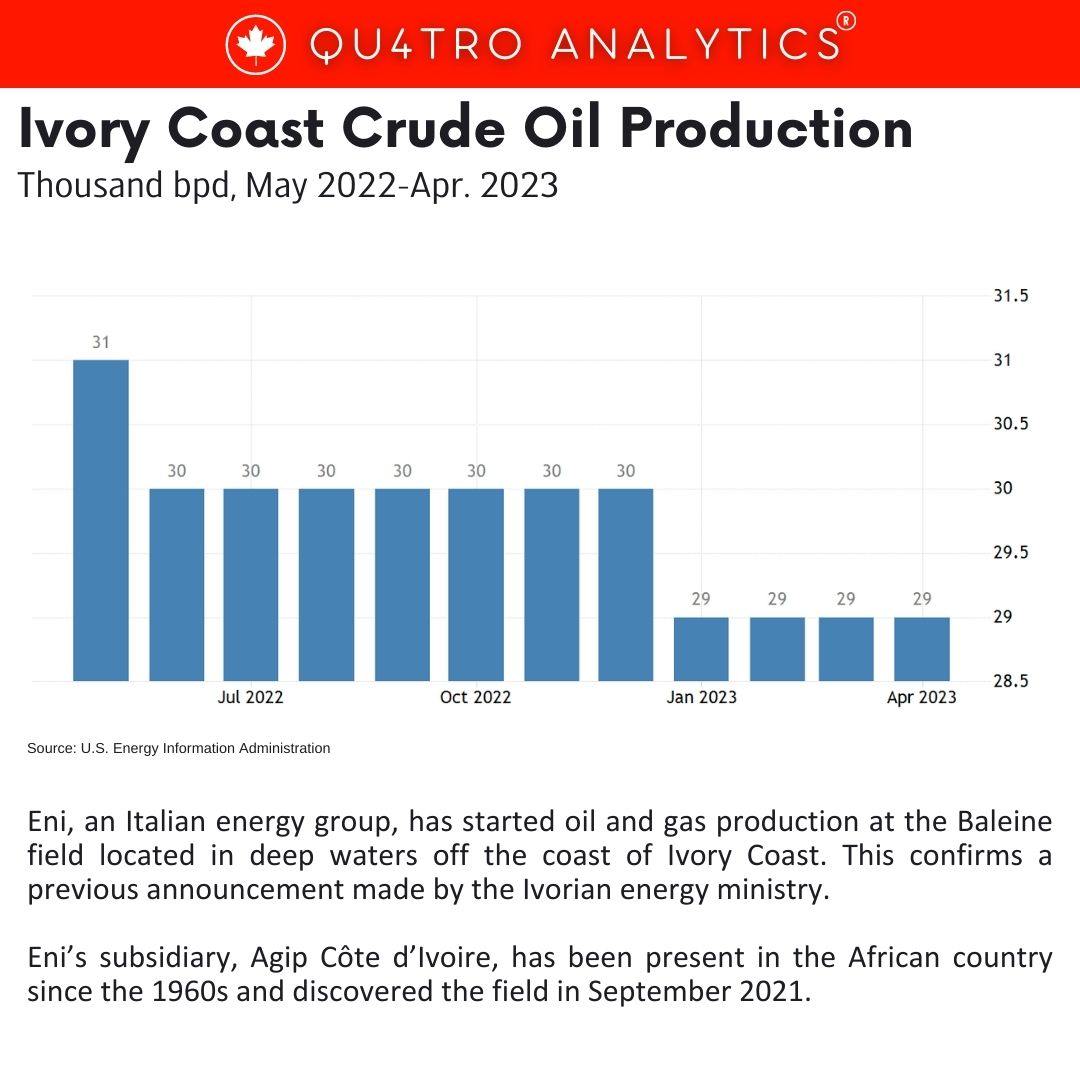
Eni, an Italian energy group, has started oil and gas production at the Baleine field located in deep waters off the coast of Ivory Coast. This confirms a previous announcement made by the Ivorian energy ministry. Eni’s subsidiary, Agip Côte d’Ivoire, has been present in the African country since the 1960s and discovered the field in September 2021.
Eni CEO Claudio Descalzi stated that the first oil from Baleine is a significant milestone for the company. They have achieved an industry-leading time-to-market of less than two years from the declaration of commercial discovery.
 During the initial phase, production will occur through a production storage and offloading vessel that can handle up to 15,000 bbl/d of oil and around 25 Mscf/d of associated gas. The second phase is expected to begin by the end of 2024 and will increase field production to 50,000 bbl/d of oil and approximately 70 Mscf/d of associated gas. The third development phase aims to increase field production to 150,000 bbl/d of oil and 200 Mscf/d of gas.
In Ivory Coast, Eni holds interests in the CI-101 and CI-802 blocks, where the Baleine field extends, as well as in four other deep-water Ivorian blocks. Petroci Holding is a partner in all these blocks.
Interested in learning more?
Sign up for Top Insights Today

Top Insights Today delivers the latest insights straight to your inbox.
You will get daily industry insights on
Oil & Gas, Rare Earths & Commodities, Mining & Metals, EVs & Battery Technology, ESG & Renewable Energy, AI & Semiconductors, Aerospace & Defense, Sanctions & Regulation, Business & Politics.
Read more insights
TotalEnergies seeks green light for $16 billion hydrogen project in Chile
TotalEnergies has taken a major step toward expanding its footprint in the global clean energy sector by applying for an environmental permit for a $16 billion green hydrogen and ammonia project in southern Chile. The application was submitted by its Chilean subsidiary, TEC H2 MAG, according to a regulatory filing on Monday.
The proposed initiative, one of the largest of its kind in Latin America, is expected to begin operations in 2030 and will include a comprehensive suite of infrastructure.
Japan’s JERA aims to boost U.S. LNG imports to meet growing energy demand
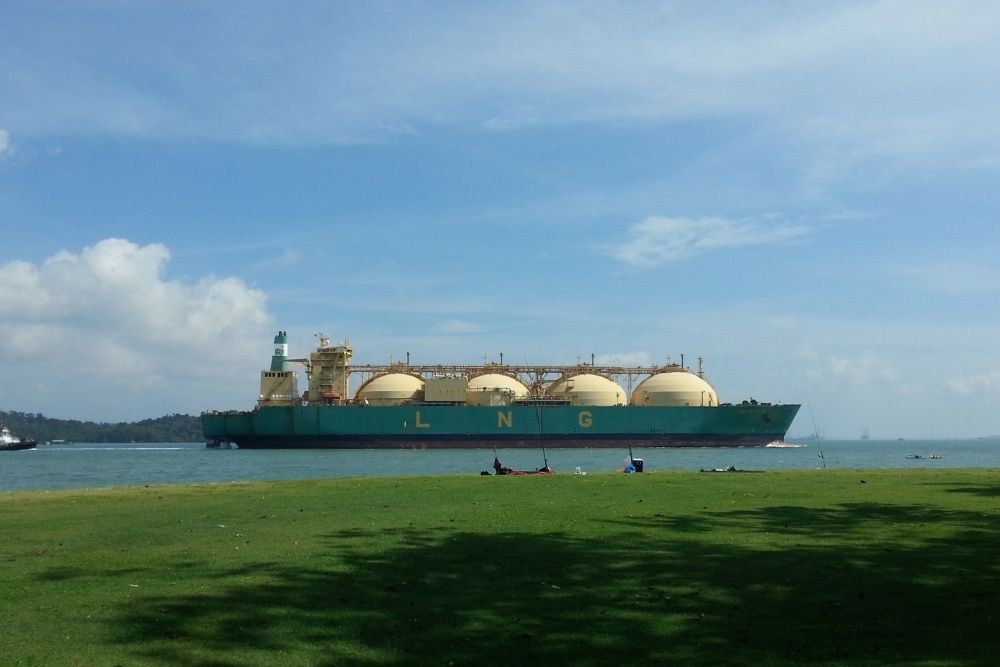
JERA, Japan’s largest utility and top LNG buyer, plans to significantly increase its purchases of liquefied natural gas (LNG) from the United States to diversify its supply portfolio and meet growing domestic energy demand, particularly from emerging sectors like data centers and AI. This strategy is part of a broader effort to reduce its heavy reliance…
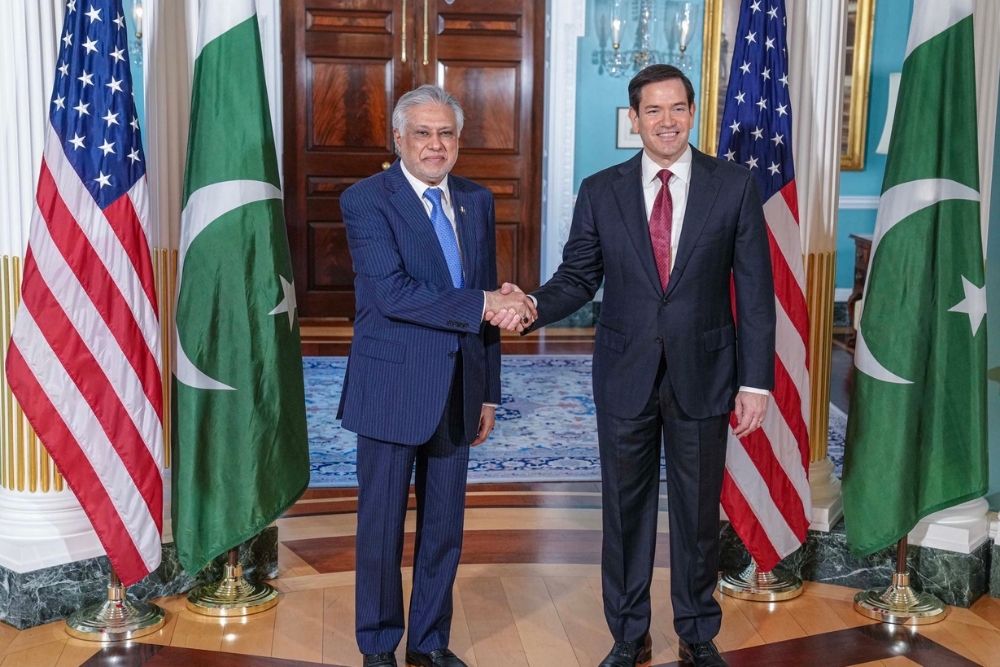
U.S. interest in Pakistani mines sets stage for geopolitical resource contest
Washington’s signal that it wants to expand cooperation with Pakistan into critical minerals and hydrocarbons marks a potentially important geopolitical and industrial shift, one that could reshape regional alignments and resource competition over the next five years.
The statement by Secretary of State Marco Rubio, delivered on Pakistan’s Independence Day, underscores how U.S.-Pakistan relations are quietly being reset after years of drift and mutual suspicion. This warming comes on the heels of a July trade agreement that Pakistan says will cut tariffs and encourage investment, and it is being reinforced by Islamabad’s offer to open up large-scale mining opportunities to U.S. companies, particularly in Balochistan.