
Japan’s SoftBank buys the remaining 25% stake of British chipmaker Arm
- August 19, 2023
- Posted by: Quatro Strategies
- Categories: AI & Semiconductors, Asia Pacific, Europe
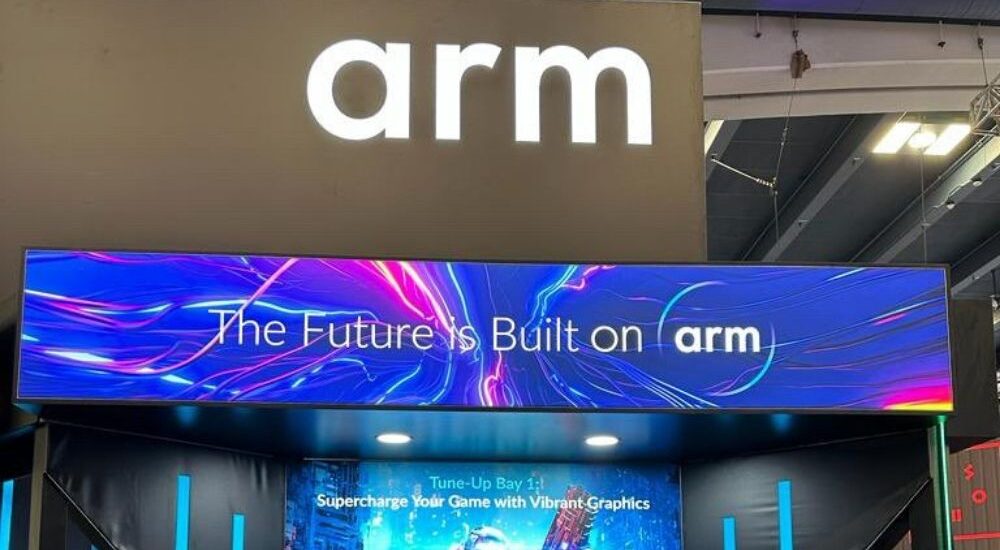
SoftBank Group Corp has acquired the remaining 25% stake in Arm Ltd, a chip designer, from its Vision Fund unit, in a deal that values Arm at $64 billion. The details of the transaction are expected to be revealed when Arm files for its stock market launch. This acquisition by SoftBank is likely to impact Arm’s initial public offering (IPO) plans, leading SoftBank to sell fewer Arm shares during the IPO and retaining a stake of around 90% in the company. The capital raised by Arm from the IPO is also expected to be lower than initially projected, ranging between $8 billion to $10 billion.
SoftBank is currently in discussions to list Arm at a valuation of $60 billion to $70 billion in the IPO, which is anticipated to take place in September. This move comes after SoftBank took Arm private for $32 billion in 2016 and subsequently sold a 25% stake to Vision Fund 1 for $8 billion in 2017.
By acquiring the Vision Fund’s stake, SoftBank eliminates a potential overhang on Arm’s stock post-IPO. The Vision Fund had initially planned to cash out its stake in the market gradually after the IPO, while SoftBank aims to remain a long-term strategic investor in Arm.
This deal is also seen as a significant success for Vision Fund 1’s major investors, including Saudi Arabia’s Public Investment Fund and Abu Dhabi’s Mubadala. These investors faced losses due to SoftBank’s troubled bets on startups like WeWork and Didi Global.
Arm’s decision to go public comes as the U.S. IPO market starts to show signs of recovery, following a period of reduced activity. Other companies, such as Instacart and Klaviyo, are also expected to go public in New York in September.
Interested in learning more?
Sign up for Top Insights Today

Top Insights Today delivers the latest insights straight to your inbox.
You will get daily industry insights on
Oil & Gas, Rare Earths & Commodities, Mining & Metals, EVs & Battery Technology, ESG & Renewable Energy, AI & Semiconductors, Aerospace & Defense, Sanctions & Regulation, Business & Politics.
Read more insights
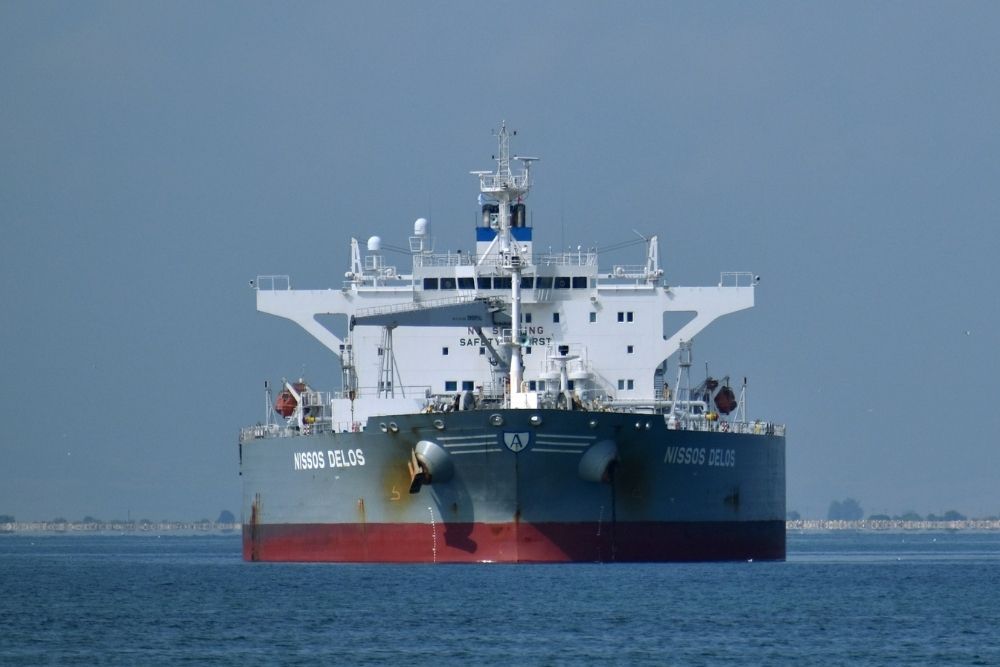
Physical crude still screams shortage despite ceasefire in futures
The sharp divergence between futures and physical crude prices after the US-Iran ceasefire is one of the clearest signs that the oil market still does not believe the supply crisis is close to resolution. On paper, the ceasefire justified a large selloff in Brent and WTI because traders immediately priced in the possibility that Hormuz might reopen and that some geopolitical risk premium could come out of the market.
But the physical market is trading on a different logic: refiners still need actual barrels now, shipowners remain cautious, Gulf export flows have not normalized, and operators are reluctant to restart damaged or shut-in production under a two-week truce that still looks fragile.
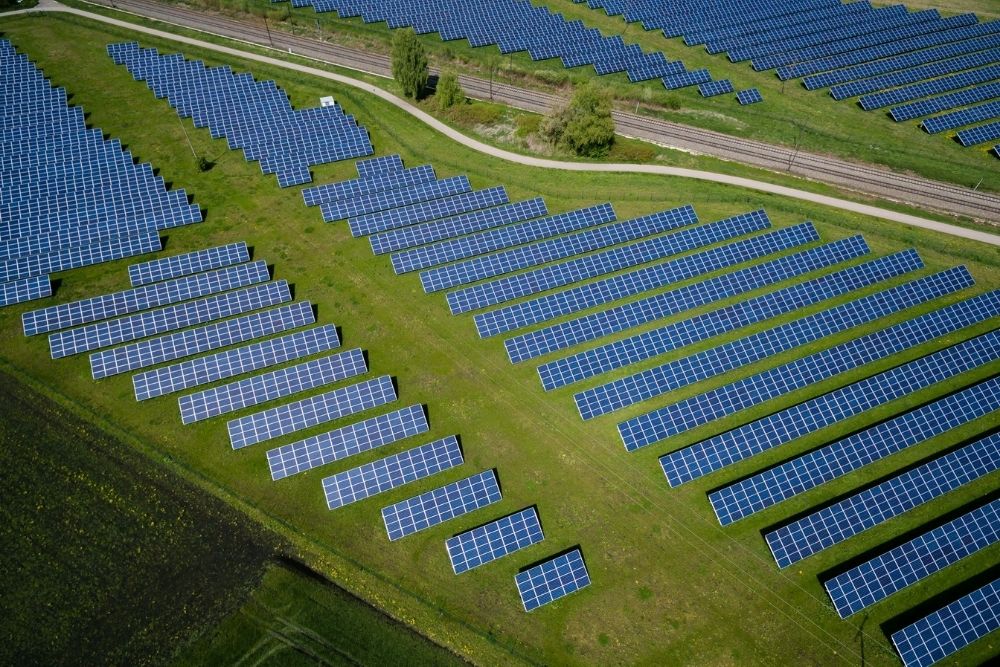
China unveils new clean energy fund guidelines to boost green economy
China’s new guidelines for managing special clean energy funds mark a significant step in solidifying its transition towards a greener economy. Published by the finance ministry, these rules will govern the allocation of funds for renewable energy and the clean utilization of fossil fuels from 2025 to 2029, with the potential for an extension beyond this period. The move underscores Beijing’s commitment to sustaining its clean energy momentum, which played a critical role in China’s economic expansion in 2024.
For the first time, clean energy contributed over 10% of China’s GDP in 2024, with total sales and investments in the sector reaching 13.6 trillion yuan ($1.9 trillion). This growth was driven by investments in solar, electric vehicles (EVs), and batteries—industries now collectively referred to as the “new three.” These sectors have overtaken real estate in economic contribution, further highlighting China’s strategic pivot away from its traditional property-driven growth model.
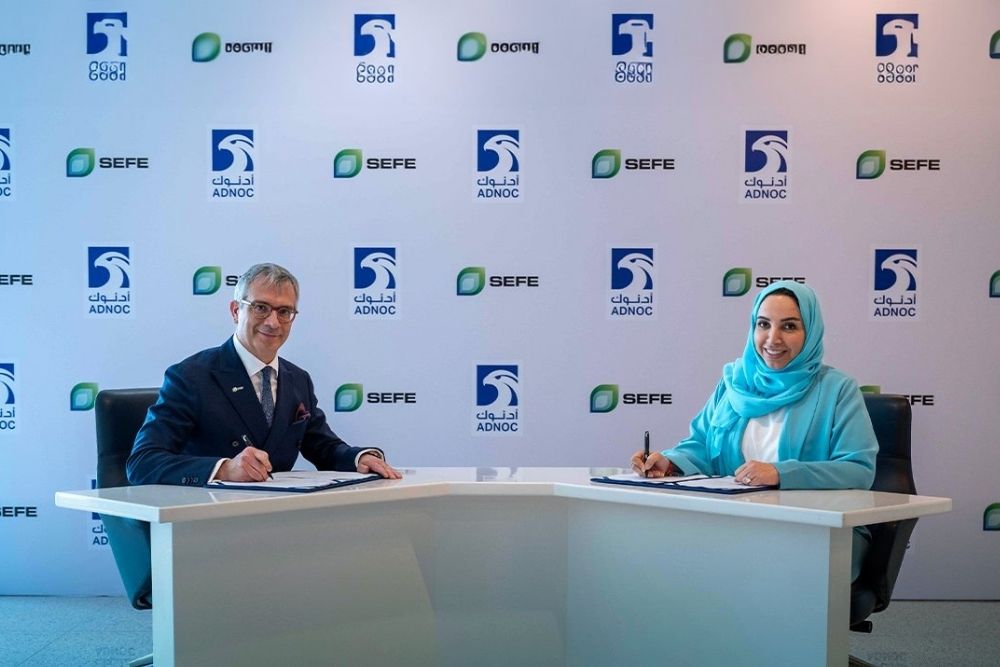
Germany’s Sefe secures 15-year LNG deal with UAE’s ADNOC
Germany’s state-controlled firm Securing Energy for Europe (Sefe) has entered into an agreement with ADNOC, Abu Dhabi’s national oil company, for a 15-year LNG supply deal starting in 2028. Under the terms of the agreement, ADNOC will supply 1 million metric tonnes per annum (mmtpa) of liquefied…