
Korea’s SK Innovation begins oil production in South China Sea
- September 26, 2023
- Posted by: Quatro Strategies
- Categories: Asia Pacific, China, Oil & Gas
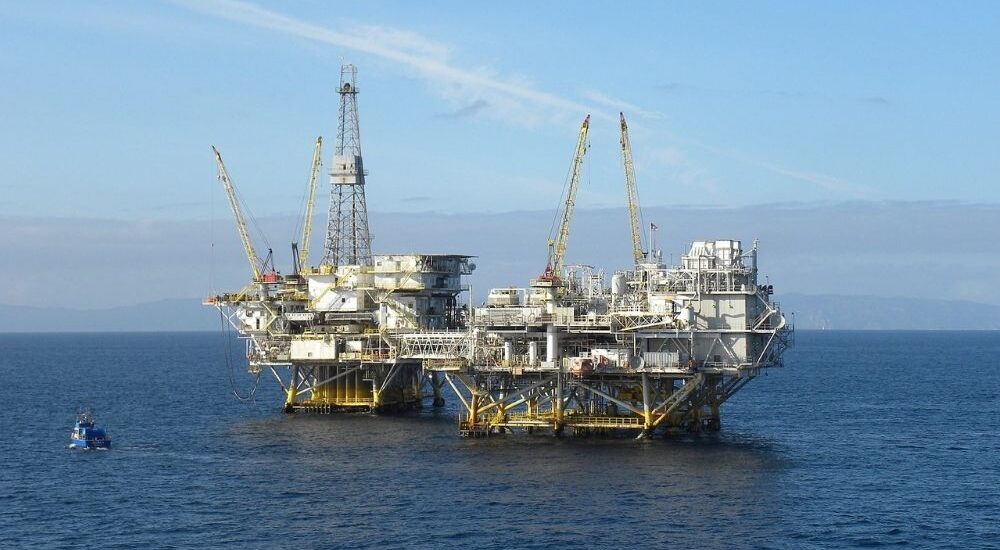
SK Innovation Co., South Korea’s largest energy major, has commenced oil production from an offshore field in the South China Sea through its subsidiary, SK Earthon Co. This venture is in collaboration with China National Offshore Oil Corporation (CNOOC), with CNOOC being the majority partner with a 60.8% interest, and SK Earthon holding the remaining stake.
The field is anticipated to reach a peak production rate of 29,500 barrels daily, contributing to over 1% of South Korea’s consumption. The peak production rate is expected to be achieved next year.
The South China Sea is a region of heightened geopolitical tension due to competing territorial claims, particularly involving China. Oil and gas resources in the basin are a significant factor in the dispute.
In 2013, the U.S. Energy Information Administration estimated substantial reserves in the South China Sea, including 11 billion barrels of crude oil and 190 trillion cubic feet of gas in proved and probable reserves. Most of the oil and gas extraction is concentrated in areas that are not disputed by China and lie close to the surrounding countries.
However, there could be an additional 12 billion barrels of oil and 160 trillion cubic feet of natural gas in untapped deposits, with about a fifth located in disputed areas. Initially considered non-commercial reserves, advancements in technology may render them commercially viable.
Despite tensions between South Korea and China over the South China Sea, CNOOC, a state-owned entity, has collaborated with SK Earthon, demonstrating the complexities of regional relationships in the context of energy exploration and production. SK Earthon already possesses stakes in ten oil fields, collectively producing 52,000 barrels daily.
QUATRO Strategies International Inc. is the leading business insights and corporate strategy company based in Toronto, Ontario. Through our unique services, we counsel our clients on their key strategic issues, leveraging our deep industry expertise and using analytical rigor to help them make informed decisions to establish a competitive edge in the marketplace.
Interested in learning more?
Sign up for Top Insights Today

Top Insights Today delivers the latest insights straight to your inbox.
You will get daily industry insights on
Oil & Gas, Rare Earths & Commodities, Mining & Metals, EVs & Battery Technology, ESG & Renewable Energy, AI & Semiconductors, Aerospace & Defense, Sanctions & Regulation, Business & Politics.
Read more insights
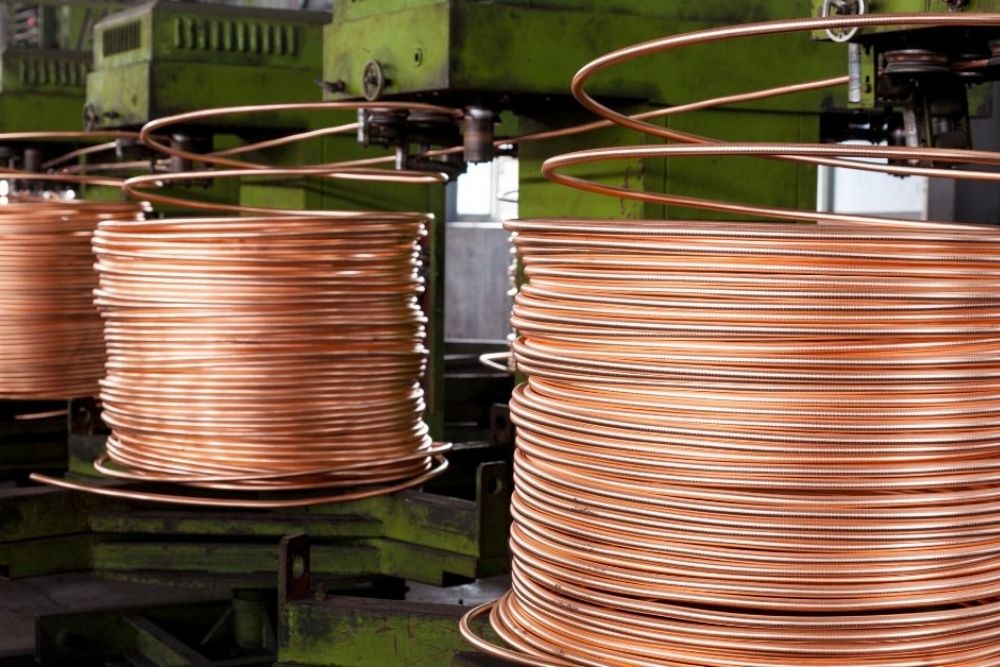
Surging copper prices puzzle Chinese traders, engage Western hedge funds
As copper prices surged to record highs recently, senior Chinese traders found themselves reaching out to western hedge fund managers in a bid to understand the unprecedented market dynamics. Traditionally leveraging their deep insights into the Chinese economy, these traders were confounded by the disconnect…

Brazil’s Minas Gerais state attracting interest from lithium producers
Brazil’s southeastern Minas Gerais state is becoming a focal point for lithium mining companies, attracted by the surging demand for lithium driven by the growth of electric vehicles (EVs). Lithium is a critical component in the production of EV batteries, and the demand for…
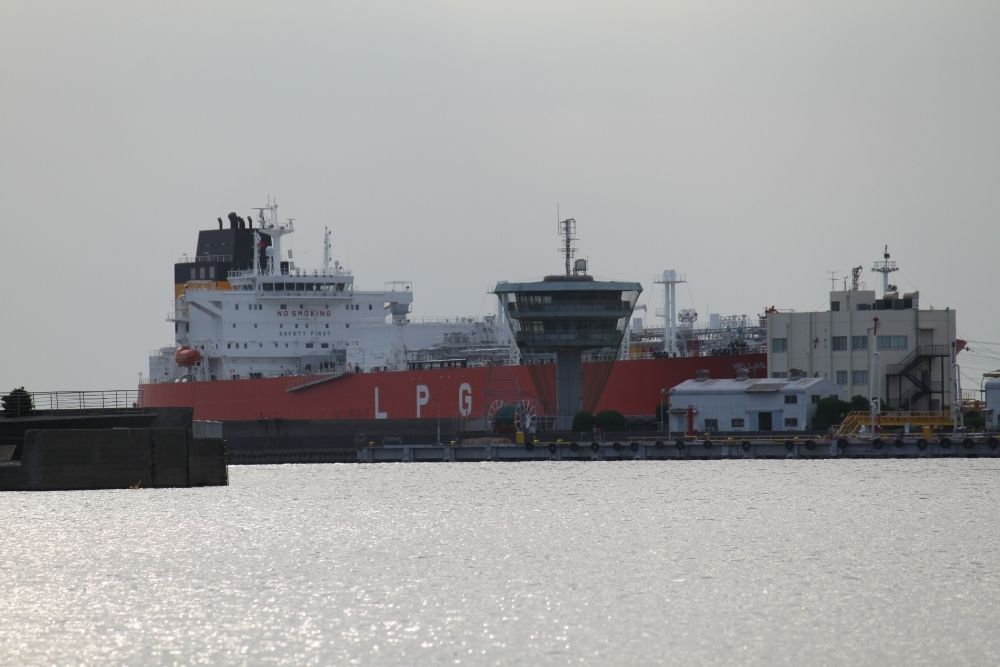
China dumps U.S. LPG, turns to Gulf as global routes realign
The scramble by Chinese plastics manufacturers to replace tariff-hit U.S. liquefied petroleum gas (LPG) with supplies from the Middle East is upending global LPG trade flows and reviving long-depressed shipping markets. This redirection of cargoes underscores the real-time, cascading impact of the U.S.-China trade war on global energy logistics and industrial operations.
Facing steep new tariffs on American LPG—part of China’s retaliation to sweeping U.S. duties—Chinese buyers have been scrambling to reconfigure previously arranged deliveries. At least seven very-large gas carriers (VLGCs) loaded with U.S. LPG and originally destined for China in May and June are now being rerouted to India and Southeast Asia.