
Korea’s SK Innovation begins oil production in South China Sea
- September 26, 2023
- Posted by: Quatro Strategies
- Categories: Asia Pacific, China, Oil & Gas
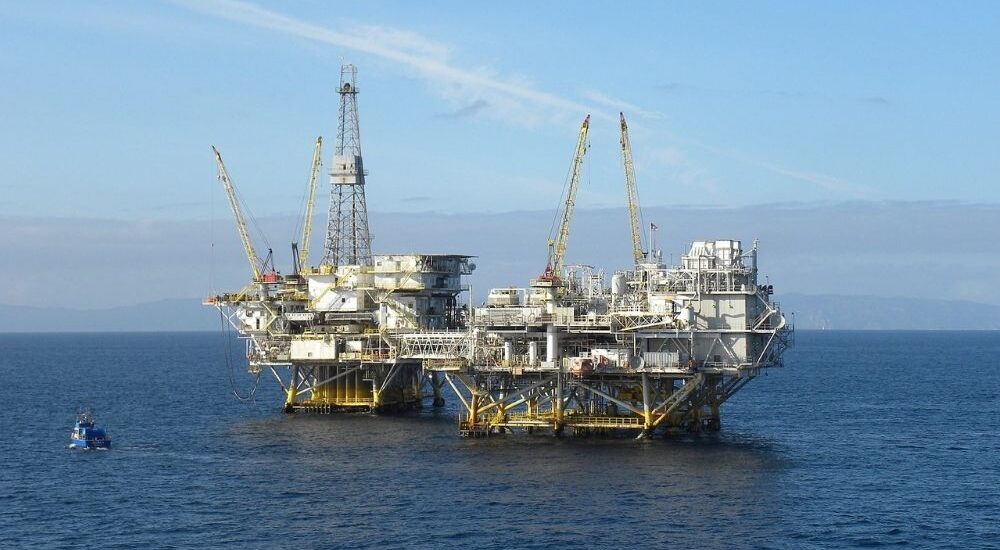
SK Innovation Co., South Korea’s largest energy major, has commenced oil production from an offshore field in the South China Sea through its subsidiary, SK Earthon Co. This venture is in collaboration with China National Offshore Oil Corporation (CNOOC), with CNOOC being the majority partner with a 60.8% interest, and SK Earthon holding the remaining stake.
The field is anticipated to reach a peak production rate of 29,500 barrels daily, contributing to over 1% of South Korea’s consumption. The peak production rate is expected to be achieved next year.
The South China Sea is a region of heightened geopolitical tension due to competing territorial claims, particularly involving China. Oil and gas resources in the basin are a significant factor in the dispute.
In 2013, the U.S. Energy Information Administration estimated substantial reserves in the South China Sea, including 11 billion barrels of crude oil and 190 trillion cubic feet of gas in proved and probable reserves. Most of the oil and gas extraction is concentrated in areas that are not disputed by China and lie close to the surrounding countries.
However, there could be an additional 12 billion barrels of oil and 160 trillion cubic feet of natural gas in untapped deposits, with about a fifth located in disputed areas. Initially considered non-commercial reserves, advancements in technology may render them commercially viable.
Despite tensions between South Korea and China over the South China Sea, CNOOC, a state-owned entity, has collaborated with SK Earthon, demonstrating the complexities of regional relationships in the context of energy exploration and production. SK Earthon already possesses stakes in ten oil fields, collectively producing 52,000 barrels daily.
QUATRO Strategies International Inc. is the leading business insights and corporate strategy company based in Toronto, Ontario. Through our unique services, we counsel our clients on their key strategic issues, leveraging our deep industry expertise and using analytical rigor to help them make informed decisions to establish a competitive edge in the marketplace.
Interested in learning more?
Sign up for Top Insights Today

Top Insights Today delivers the latest insights straight to your inbox.
You will get daily industry insights on
Oil & Gas, Rare Earths & Commodities, Mining & Metals, EVs & Battery Technology, ESG & Renewable Energy, AI & Semiconductors, Aerospace & Defense, Sanctions & Regulation, Business & Politics.
Read more insights
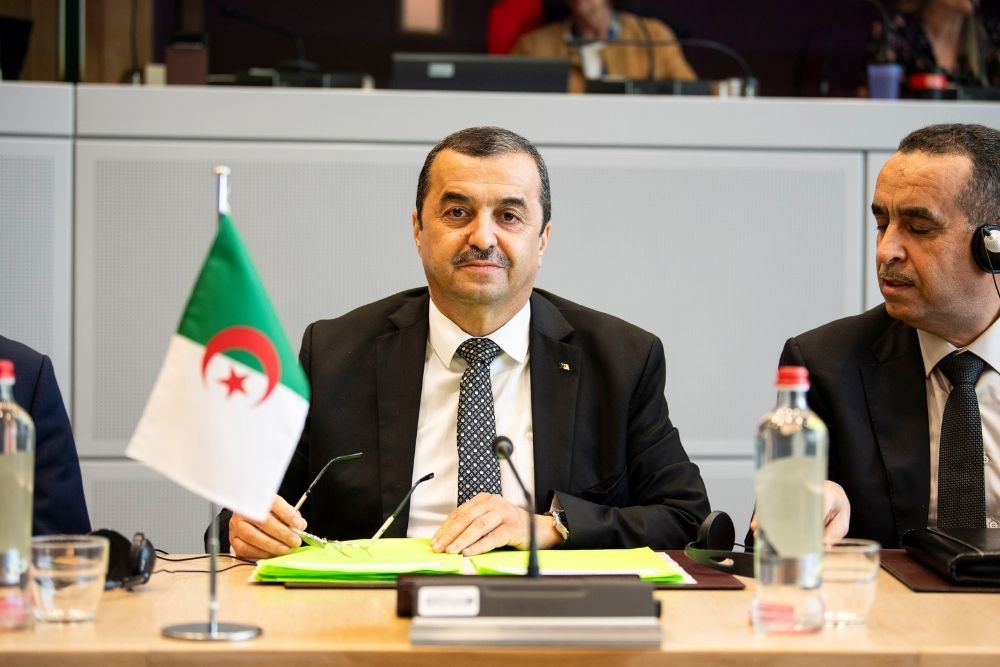
Algeria’s Sonatrach looking to store carbon by planting 420 million trees
The Algerian Minister of Energy and Mines, Mohamed Arkab, has announced a significant carbon storage project planned by the Algerian state energy company, Sonatrach. The project aims to plant approximately 420 million trees over the course of 10 years, with an estimated…

EU offers fertiliser tariff cuts to win Mercosur trade deal votes
The European Commission has moved to sweeten the political terms of the EU-Mercosur free trade agreement by offering two targeted concessions that speak directly to the most vocal pockets of resistance: farm economics and the cost of climate compliance.
After a ministerial-level discussion on Wednesday, the Commission said it intends to eliminate the EU’s standard import tariffs on key nitrogen fertiliser inputs, specifically urea and ammonia, and to push forward legislation that would allow the bloc to temporarily pause the EU’s carbon border levy in narrowly defined circumstances.
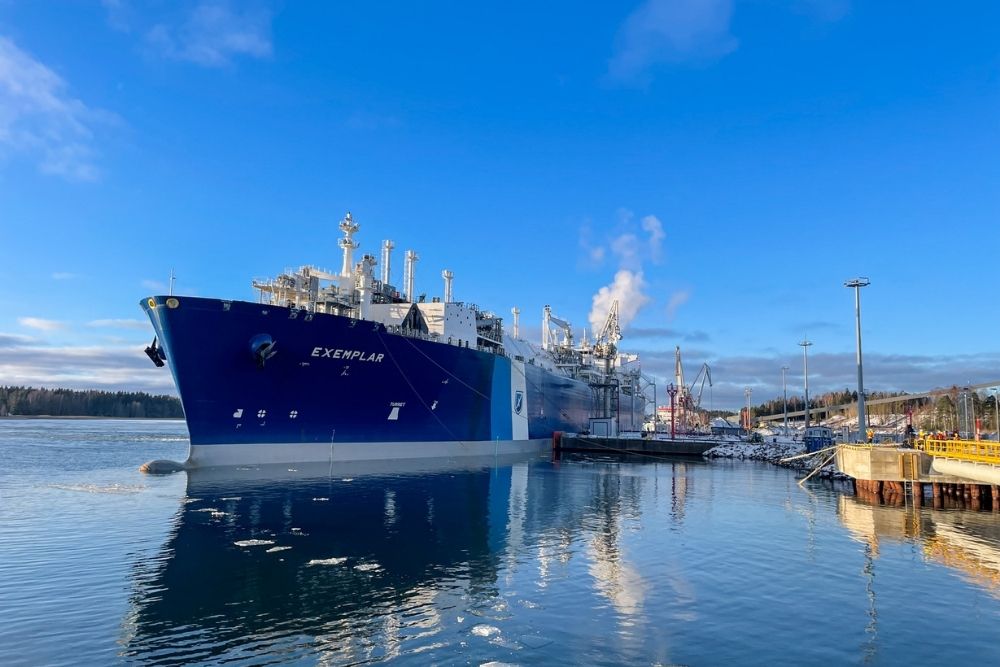
Wilhelmshaven 2 launch marks next phase of Berlin’s energy diversification drive
Germany will officially bring its second liquefied natural gas (LNG) terminal at Wilhelmshaven into commercial operation on August 29, marking another key step in the country’s effort to permanently diversify away from Russian pipeline gas. The facility, run by state-owned Deutsche Energy Terminal (DET), comes online just two years after Moscow’s invasion of Ukraine forced Berlin to overhaul its energy strategy and move aggressively into global LNG markets.
Wilhelmshaven 2 has completed commissioning and equipment testing, including a subsea transfer system designed to minimize environmental impact by piping regasified LNG directly to an onshore station. Regular operations will now begin with the floating storage and regasification unit (FSRU) Excelsior, operated by U.S.-based Excelerate Energy.