
Lockheed-RTX JV signs MoU to produce Javelin anti-tank missiles in Poland
- September 12, 2023
- Posted by: Quatro Strategies
- Categories: Aerospace & Defense, Europe, United States
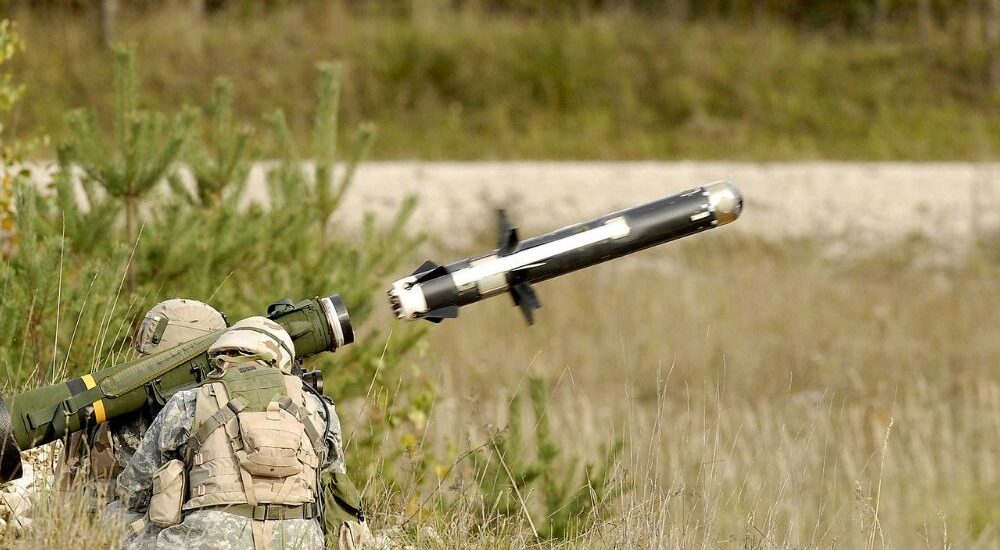
Lockheed Martin, in collaboration with Raytheon Technologies (RTX), is set to expand its production of the Javelin anti-tank weapon system in Poland.
The two companies, operating under the Javelin Joint Venture, recently signed a memorandum of understanding (MoU) with Polska Grupa Zbrojeniowa to explore the possibility of establishing a final assembly facility and component production capabilities within Poland.
This strategic move comes amid increasing demand for U.S. weaponry in Europe. However, it’s notable that the focus of these procurements has predominantly been on more cost-effective and less complex items like shoulder-fired missiles, artillery, and drones, rather than high-cost items such as fighter jets and main battle tanks.
The Javelin missile system, developed by Lockheed Martin and Raytheon, is renowned for its effectiveness against armored vehicles. To date, the Javelin Joint Venture has produced over 50,000 Javelin missiles and more than 12,000 reusable Command Launch Units.
This expansion into Poland not only underscores the versatility and demand for the Javelin system but also strengthens Lockheed Martin’s global presence in the defense industry.
Interested in learning more?
Sign up for Top Insights Today

Top Insights Today delivers the latest insights straight to your inbox.
You will get daily industry insights on
Oil & Gas, Rare Earths & Commodities, Mining & Metals, EVs & Battery Technology, ESG & Renewable Energy, AI & Semiconductors, Aerospace & Defense, Sanctions & Regulation, Business & Politics.
Read more insights
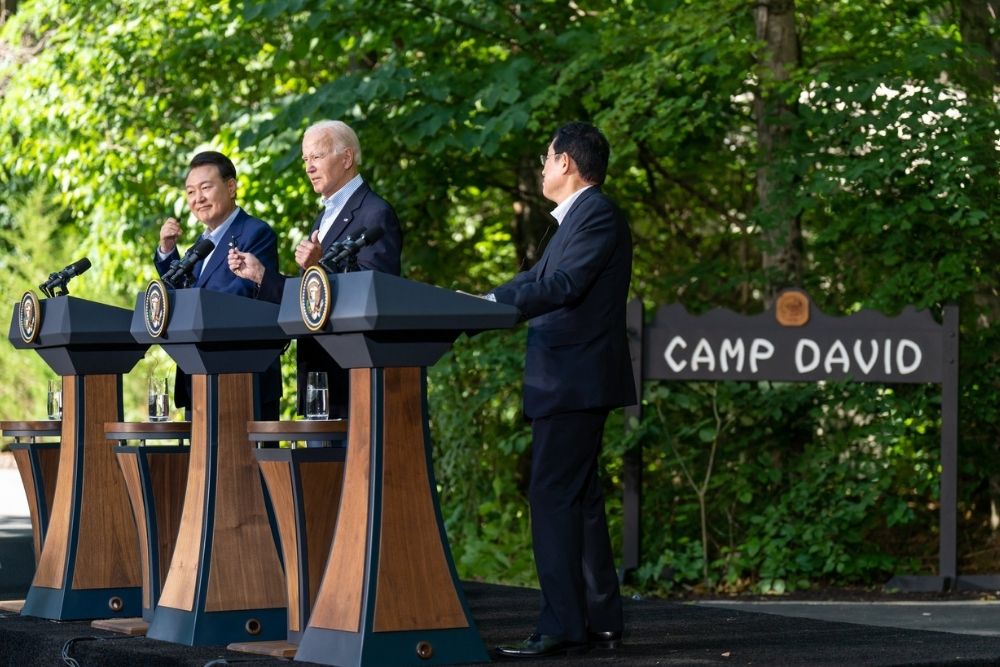
U.S., Japan, South Korea agree to deepen cooperation against China at Camp David
U.S. President Joe Biden, along with South Korean President Yoon Suk Yeol and Japanese Prime Minister Fumio Kishida, held a summit at Camp David to deepen military and economic cooperation among the three countries. This summit aimed to project a unified front in response to challenges posed by China’s increasing power and North Korea’s nuclear threats.
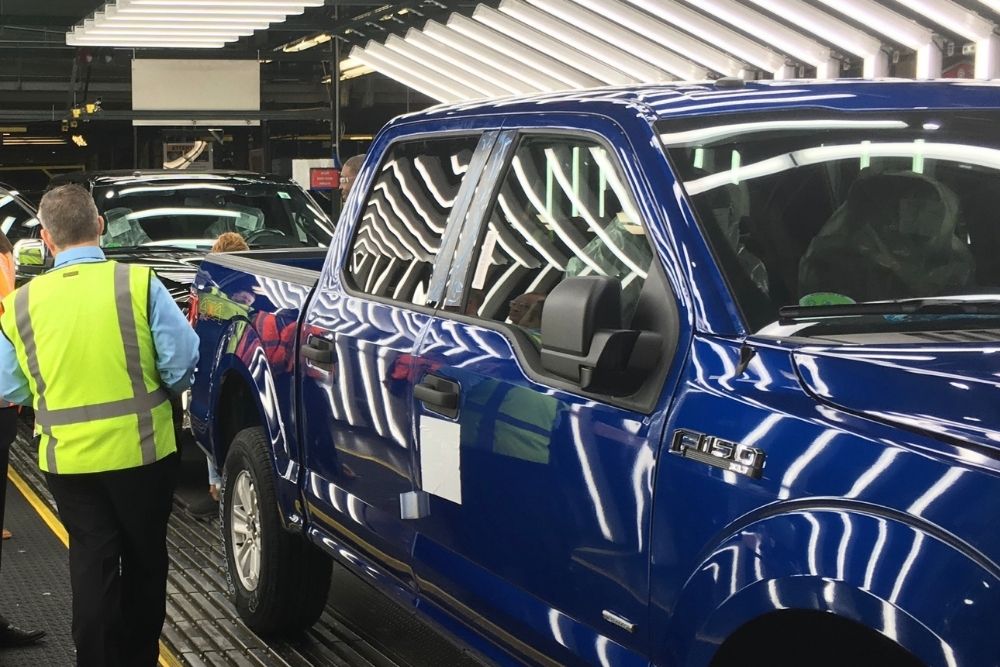
Global trade order in peril as Trump triggers auto tariff showdown
President Donald Trump’s decision to impose a 25% tariff on imported vehicles has triggered a wave of retaliatory threats from key U.S. allies and deepened global economic tensions. The tariffs, set to take effect on April 3, follow Trump’s plan to also introduce reciprocal tariffs on countries he accuses of unfair trade practices. With $474 billion in automotive imports last year — including $220 billion in passenger cars — the new measures will hit major U.S. suppliers like Mexico, Japan, South Korea, Canada, and Germany especially hard.
European leaders swiftly condemned the move. European Commission President Ursula von der Leyen described the tariffs as damaging to both businesses and consumers, while Canadian Prime Minister Mark Carney called it a “direct attack” and pledged potential retaliatory measures. Germany’s Economy Minister Robert Habeck urged the EU to adopt a firm response, stating that Europe must not take the tariffs “lying down.”
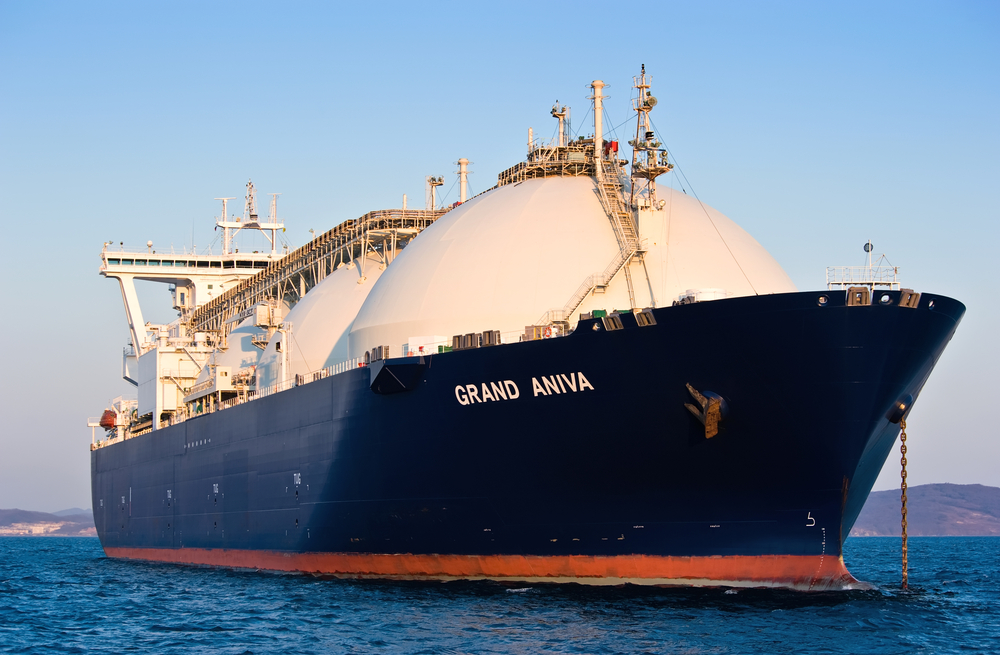
Price-driven demand boom boosts spot LNG imports in Asia
The recent decrease in liquefied natural gas (LNG) prices to their lowest level in nearly three years has led to a surge in spot shipments to price-sensitive buyers in China, India, and parts of Southeast Asia. This price-driven demand revival is expected to surpass previous import records…