
Lockheed-RTX JV signs MoU to produce Javelin anti-tank missiles in Poland
- September 12, 2023
- Posted by: Quatro Strategies
- Categories: Aerospace & Defense, Europe, United States
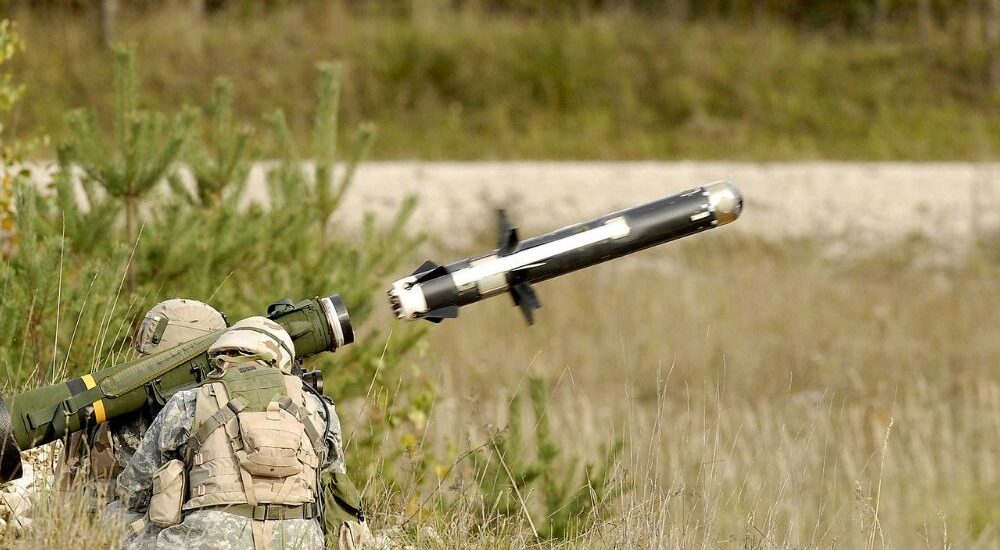
Lockheed Martin, in collaboration with Raytheon Technologies (RTX), is set to expand its production of the Javelin anti-tank weapon system in Poland.
The two companies, operating under the Javelin Joint Venture, recently signed a memorandum of understanding (MoU) with Polska Grupa Zbrojeniowa to explore the possibility of establishing a final assembly facility and component production capabilities within Poland.
This strategic move comes amid increasing demand for U.S. weaponry in Europe. However, it’s notable that the focus of these procurements has predominantly been on more cost-effective and less complex items like shoulder-fired missiles, artillery, and drones, rather than high-cost items such as fighter jets and main battle tanks.
The Javelin missile system, developed by Lockheed Martin and Raytheon, is renowned for its effectiveness against armored vehicles. To date, the Javelin Joint Venture has produced over 50,000 Javelin missiles and more than 12,000 reusable Command Launch Units.
This expansion into Poland not only underscores the versatility and demand for the Javelin system but also strengthens Lockheed Martin’s global presence in the defense industry.
Interested in learning more?
Sign up for Top Insights Today

Top Insights Today delivers the latest insights straight to your inbox.
You will get daily industry insights on
Oil & Gas, Rare Earths & Commodities, Mining & Metals, EVs & Battery Technology, ESG & Renewable Energy, AI & Semiconductors, Aerospace & Defense, Sanctions & Regulation, Business & Politics.
Read more insights

Novonix secures five-year deal with Volkswagen’s PowerCo for synthetic graphite supply
Australian battery materials supplier Novonix has entered into a binding agreement with Volkswagen-founded PowerCo to supply at least 32,000 metric tons of high-performance synthetic graphite over a five-year period starting in 2027. PowerCo, a subsidiary of Volkswagen, manages international battery factory operations…
EU and Canada seal landmark security deal
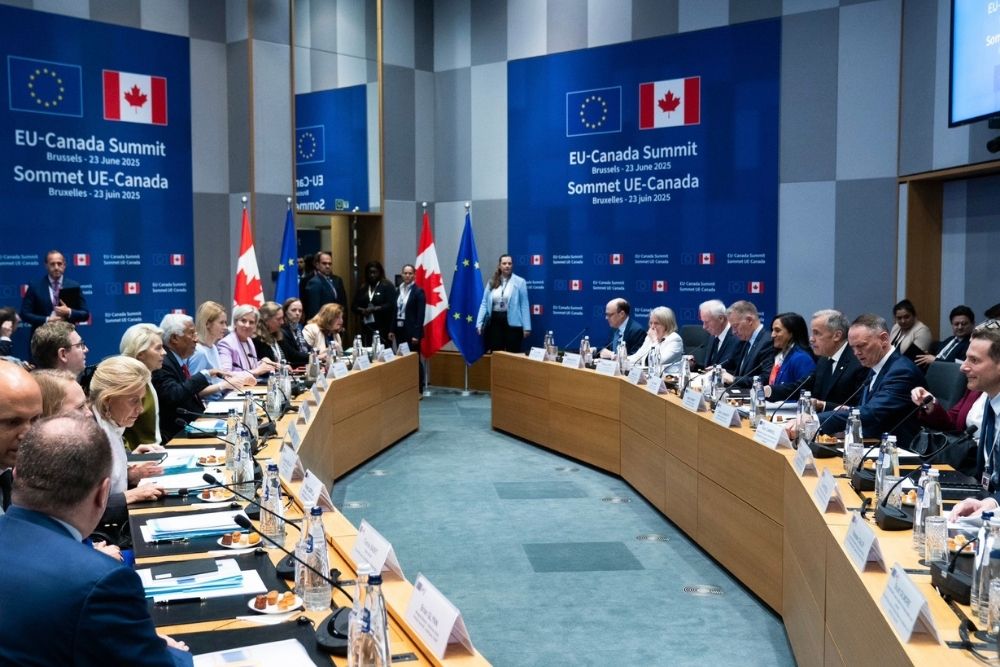
The European Union will host Canadian Prime Minister Mark Carney on Monday in Brussels for a summit intended to significantly deepen political, security, and economic ties between the two transatlantic allies. The timing of the summit—just one day before a NATO gathering in The Hague—is no coincidence.
Both the EU and Canada are recalibrating their foreign policy and security postures in response to heightened geopolitical threats, including an increasingly assertive Russia, persistent instability in the Middle East, and growing uncertainty surrounding U.S. foreign policy under President Donald Trump.
France, Uzbekistan to develop strategic partnership in energy, agriculture
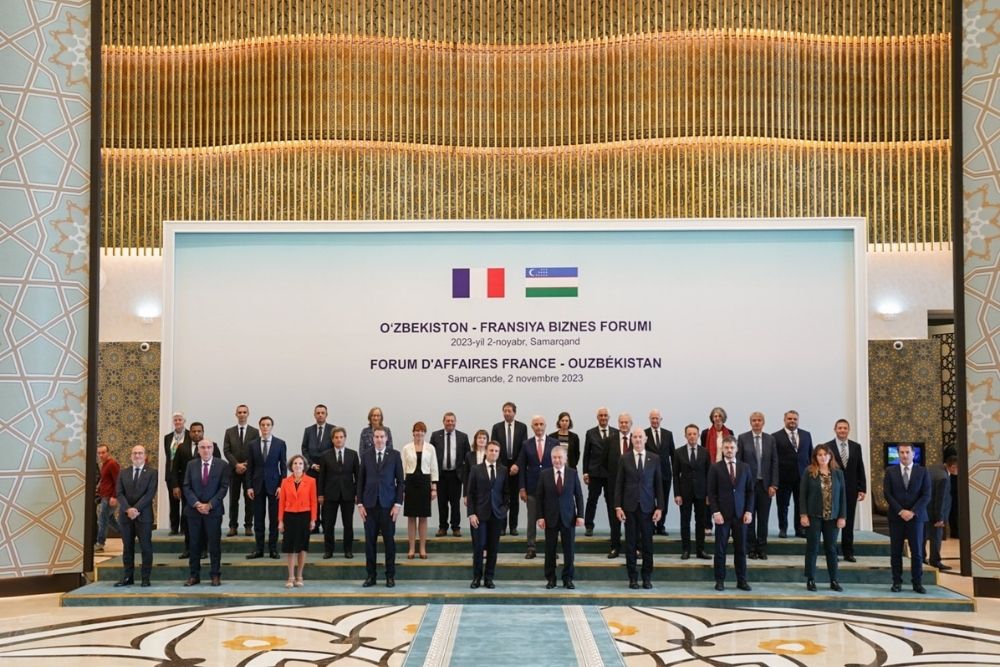
French President Emmanuel Macron announced that France and Uzbekistan will develop a strategic partnership as they discussed projects in agriculture and uranium. Uzbekistan has maintained close ties with Moscow but has refused to support Russia’s invasion of Ukraine and…