
Metals industry asks the EU to invest more in minerals processing
- September 8, 2023
- Posted by: Quatro Strategies
- Categories: Europe, Mining & Metals, Rare Earths & Commodities
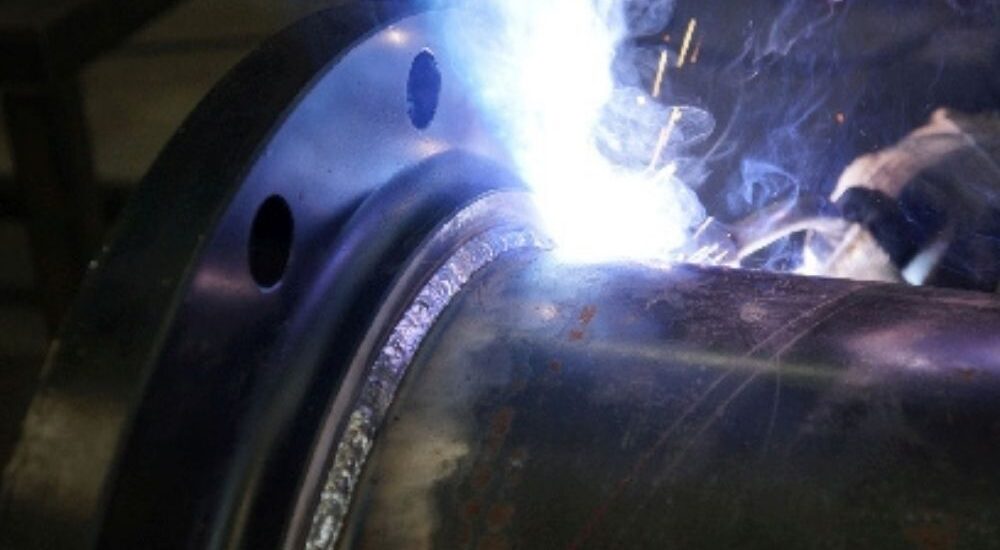
Metal producers and consumers in Europe have urged the European Union (EU) to increase its investments in expanding processing capacity for critical minerals necessary for the energy transition, including those used in electric vehicles (EVs). In a letter to EU Commission President Ursula von der Leyen, industry association Eurometaux requested that the EU’s Innovation Fund, which primarily focuses on decarbonizing energy-intensive industries, should also incorporate critical minerals into its mandate.
The letter stressed the growing importance of these minerals, especially as China and the United States increasingly dominate the production and processing of these resources. China, in particular, controls a significant portion of cleantech manufacturing and critical minerals processing capacities, making it essential for Europe to boost its capabilities in this sector.
The letter was signed by prominent companies, including Rio Tinto, Norsk Hydro, Albemarle, Umicore, Northvolt, Solvay, and Aurubis. It suggested that the EU Innovation Fund could support the processing of critical minerals by replicating the model of the EU’s Hydrogen Bank, which was established to bridge the cost gap between renewable hydrogen and fossil fuels.
The letter also criticized the EU’s Strategic Technologies for Europe Platform, stating that it is not sufficiently focused or targeted to provide the necessary support for the critical minerals value chain’s scaling, conversion, processing, and refining operations.
Interested in learning more?
Sign up for Top Insights Today

Top Insights Today delivers the latest insights straight to your inbox.
You will get daily industry insights on
Oil & Gas, Rare Earths & Commodities, Mining & Metals, EVs & Battery Technology, ESG & Renewable Energy, AI & Semiconductors, Aerospace & Defense, Sanctions & Regulation, Business & Politics.
Read more insights
Saudi Aramco raises crude oil prices for May amid tightening market
Saudi Aramco, the world’s leading crude oil exporter, has raised the prices of most of its crude grades for May, reflecting strengthening Middle Eastern benchmarks in an increasingly tight market. For the second consecutive month, Saudi Arabia increased the price of Arab Light, its key grade…
Oversupply and changing EV market dynamics lead to plummeting battery metal prices
The anticipated boom in electric vehicle (EV) demand for metals like lithium, nickel, and cobalt has not materialized as expected, with prices for these key battery materials plummeting due to oversupply and shifting market dynamics. A major factor is the changing composition of the EV market and evolving battery chemistries…
Staggering debt levels signal decade of financial strain
Economists are issuing stark warnings about the looming global debt crisis, projecting that the next decade will be defined by this financial challenge. With worldwide borrowings reaching a staggering $307.4 trillion in September, both high-income nations and emerging markets are grappling…