
Namibia makes series of oil discoveries worth 10.5 billion barrels
- August 18, 2023
- Posted by: Quatro Strategies
- Categories: Africa, Oil & Gas
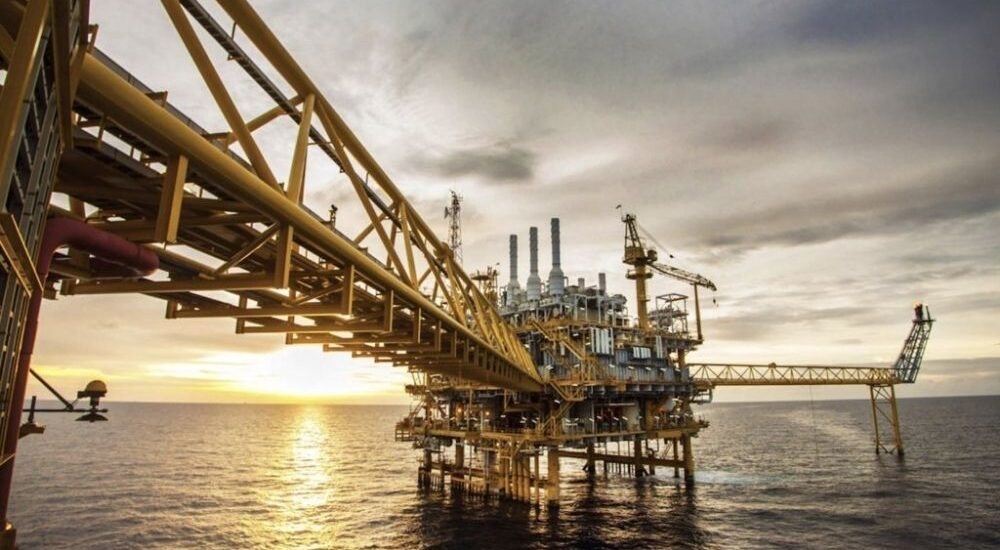
In the last 18 months, a series of oil discoveries have been made in the Orange Basin offshore Namibia, which could potentially hold a combined total of up to 10.5 billion barrels of oil, according to Namibia’s state-owned oil firm, Namcor. The figures are pre-appraisal estimates for oil and exclude associated gas volumes. The discoveries include the Venus field with an estimated 5.1 billion barrels, the Graff field with 2.4-2.6 billion barrels, the Jonker field with 2.5 billion barrels, and the Lesedi field with 0.3 billion barrels.
The Venus discovery, operated by TotalEnergies, is considered one of the largest hydrocarbon discoveries globally since 2015 and has the potential to be a supergiant field. The oil firm believes that these discoveries could result in first oil production by around 2029-2030, which could elevate Namibia into the ranks of the world’s top 15 oil producers by 2035.
Foreign oil companies such as Shell, Qatar Petroleum, and TotalEnergies are investing in Namibia’s emerging upstream oil and gas sector. These companies are expected to receive 36% of production revenues, while Namcor will hold a 10% stake. The remainder will go to the Namibian government, including a 5% royalty fee, a 35% corporate income tax, an additional profits tax ranging from 5% to 12%, an annual license fee, and a training contribution. These developments are projected to significantly boost Namibia’s economy, potentially doubling its annual GDP to $37 billion by 2040.
Namibia’s burgeoning oil discoveries hold significant promise for the country’s economic growth and its role in global energy markets, but as with any resource development, there are also environmental and social considerations that need to be carefully managed.
Interested in learning more?
Sign up for Top Insights Today

Top Insights Today delivers the latest insights straight to your inbox.
You'll get daily industry insights on
Energy, Cleantech, Oil & Gas, Mining, Defense, Aviation, Construction, Transportation, Online Retail, Bigtech, Finance and Politics of Business
Read more insights
Arkansas targets U.S. battery supply with brine-based lithium push
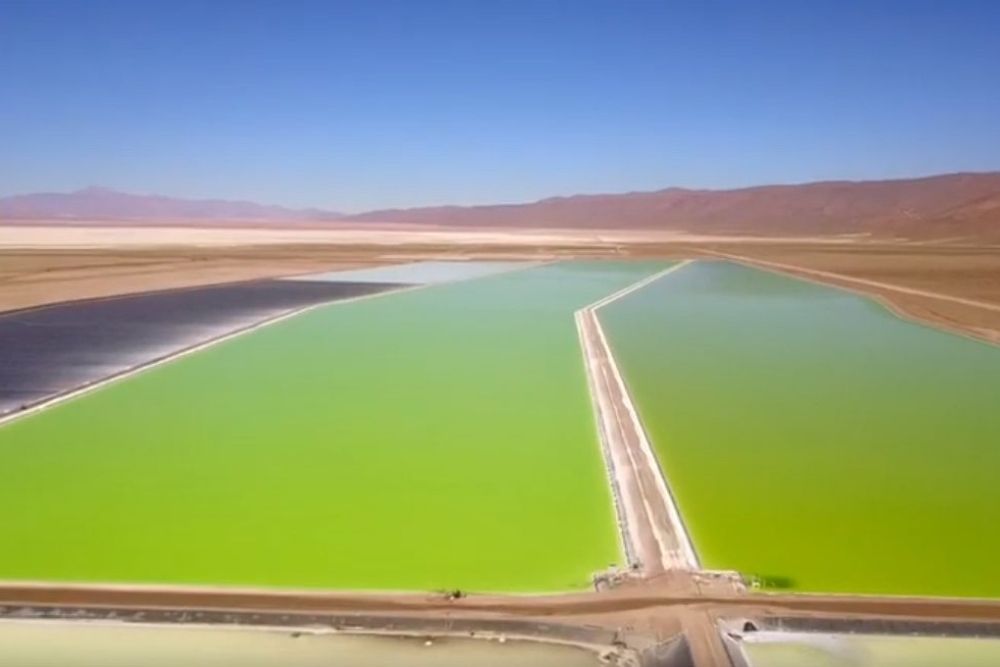
Arkansas is trying to turn geology into strategy. Beneath the southern half of the state sits the Smackover formation, a vast belt of lithium-bearing brines long tapped for other minerals. If companies can reliably pull lithium out of that salty water using direct lithium extraction (DLE) and then re-inject the brine, Arkansas could anchor a U.S. supply of battery chemicals for decades.
That’s the vision on display in Little Rock: ExxonMobil, Standard Lithium (with Equinor), and Chevron all say they can make DLE work at industrial scale, even as timelines slip, with Exxon now guides to 2028, and even as prices languish after an 80% slide from 2022 peaks. The lure is obvious: a dense resource, existing brine-handling know-how, cheap power, pipeline access, and a state government that promises swift permits.
Japan secures tariff relief in exchange for $550 billion U.S. supply chain bet
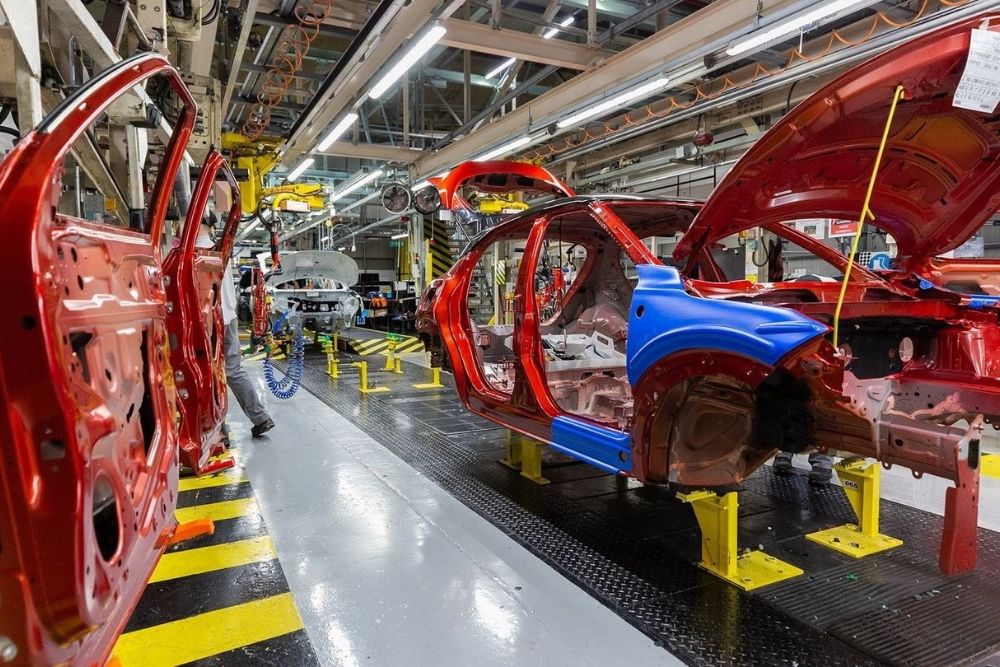
U.S. President Donald Trump’s latest trade agreement with Japan marks a significant geopolitical and economic milestone that reverberates far beyond the bilateral relationship. At its core, the deal secures reduced tariffs on Japanese automobile exports and avoids additional U.S. levies, while securing a massive $550 billion Japanese investment and loan commitment for American-bound supply chains in critical sectors.
Though short on specifics, the agreement signals a deepening of U.S.-Japan strategic and economic alignment, and underscores how Trump is weaponizing trade leverage to reconfigure global industrial linkages in America’s favor.
Geopolitical rifts threaten global progress of energy transition
The global oil and gas markets are experiencing fragmentation due to the conflict in Ukraine, resulting in longer and more inefficient supply chains. A similar disruptive dynamic could detrimentally affect the energy transition due to the ongoing confrontation between China and the West over the control…