
Namibia makes series of oil discoveries worth 10.5 billion barrels
- August 18, 2023
- Posted by: Quatro Strategies
- Categories: Africa, Oil & Gas
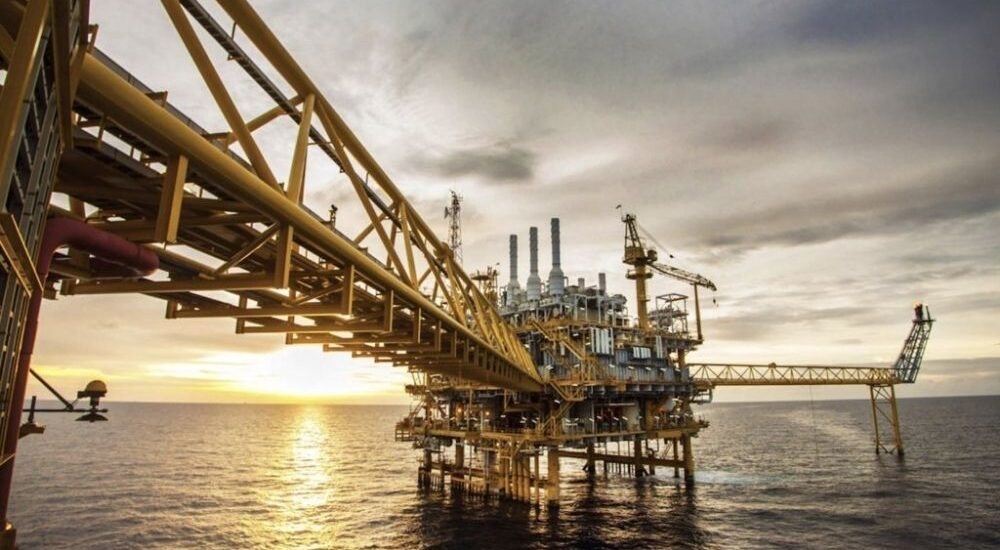
In the last 18 months, a series of oil discoveries have been made in the Orange Basin offshore Namibia, which could potentially hold a combined total of up to 10.5 billion barrels of oil, according to Namibia’s state-owned oil firm, Namcor. The figures are pre-appraisal estimates for oil and exclude associated gas volumes. The discoveries include the Venus field with an estimated 5.1 billion barrels, the Graff field with 2.4-2.6 billion barrels, the Jonker field with 2.5 billion barrels, and the Lesedi field with 0.3 billion barrels.
The Venus discovery, operated by TotalEnergies, is considered one of the largest hydrocarbon discoveries globally since 2015 and has the potential to be a supergiant field. The oil firm believes that these discoveries could result in first oil production by around 2029-2030, which could elevate Namibia into the ranks of the world’s top 15 oil producers by 2035.
Foreign oil companies such as Shell, Qatar Petroleum, and TotalEnergies are investing in Namibia’s emerging upstream oil and gas sector. These companies are expected to receive 36% of production revenues, while Namcor will hold a 10% stake. The remainder will go to the Namibian government, including a 5% royalty fee, a 35% corporate income tax, an additional profits tax ranging from 5% to 12%, an annual license fee, and a training contribution. These developments are projected to significantly boost Namibia’s economy, potentially doubling its annual GDP to $37 billion by 2040.
Namibia’s burgeoning oil discoveries hold significant promise for the country’s economic growth and its role in global energy markets, but as with any resource development, there are also environmental and social considerations that need to be carefully managed.
Interested in learning more?
Sign up for Top Insights Today

Top Insights Today delivers the latest insights straight to your inbox.
You'll get daily industry insights on
Energy, Cleantech, Oil & Gas, Mining, Defense, Aviation, Construction, Transportation, Online Retail, Bigtech, Finance and Politics of Business
Read more insights
EU proposes new Russia sanctions package with a focus on diamonds, oil price cap
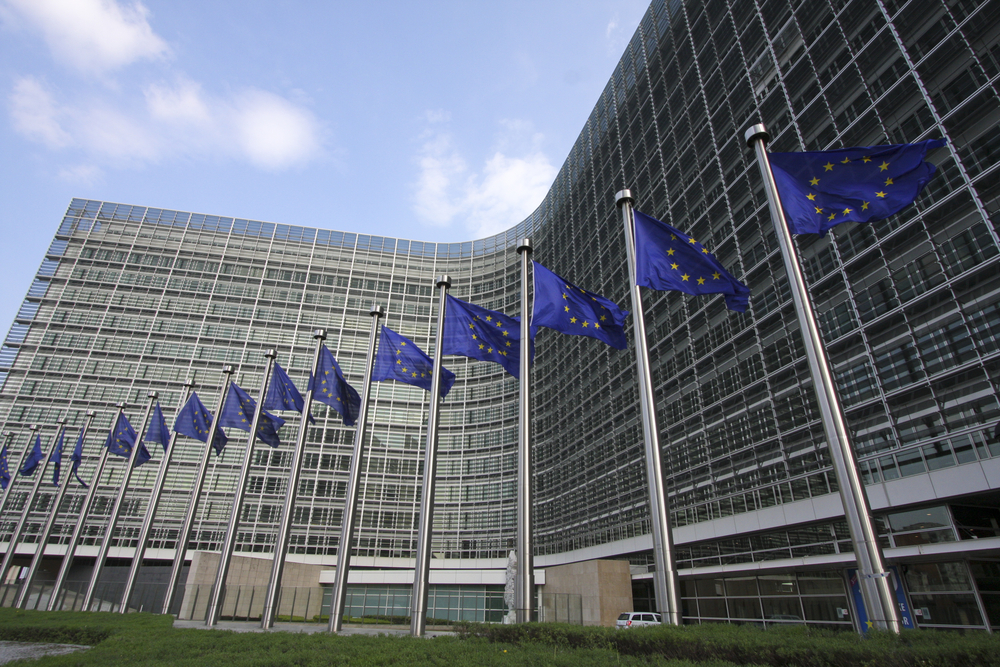
The European Commission has presented a new sanctions package aimed at increasing pressure on Russia. The proposal includes a ban on the import of diamonds and liquid petroleum gas (LPG) from Russia, along with measures to tighten the enforcement of a price cap on Russian oil…
Norway turns its capital and minerals into AI-era strategic leverage
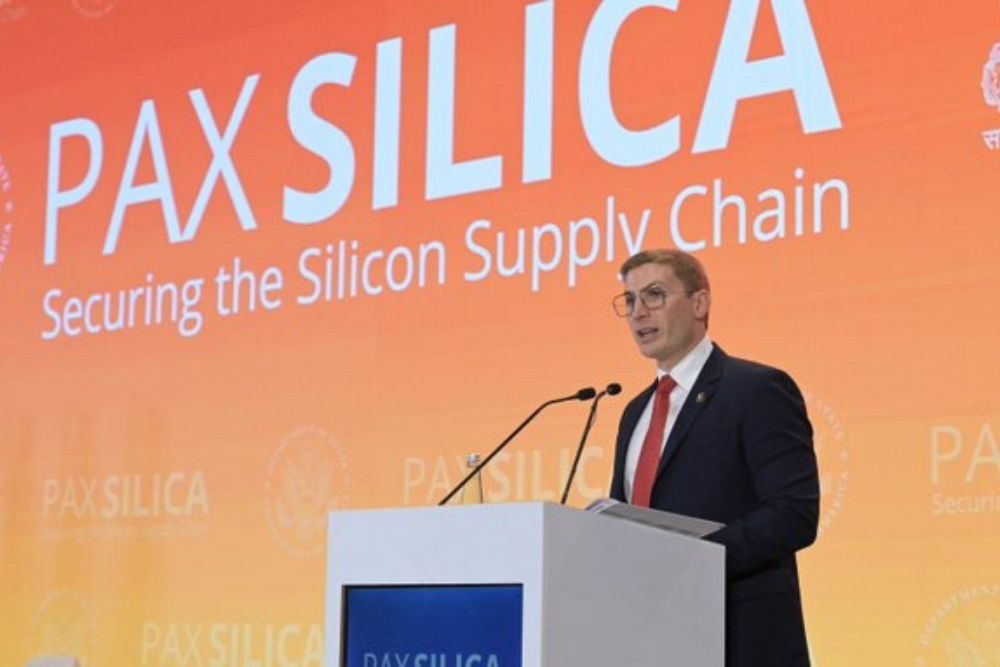
Norway’s decision to join Pax Silica shows how quickly AI supply chains are being folded into a broader Western economic-security architecture. The Norwegian government said it will sign onto the U.S.-led initiative on Wednesday, and Oslo sees the move as a way to give Norwegian companies better access to advanced technology value chains. Norway’s sovereign wealth fund and critical-mineral potential were key attractions for Washington.
The background is that Pax Silica has become one of the Trump administration’s main frameworks for reducing dependence on China in the supply chains that matter for AI, semiconductors, and critical minerals. The U.S. State Department describes it as its flagship effort on AI and supply-chain security, aimed at building a more secure technology stack among “trusted partners.”
China drafts rules to slow battery industry expansion amid global concerns
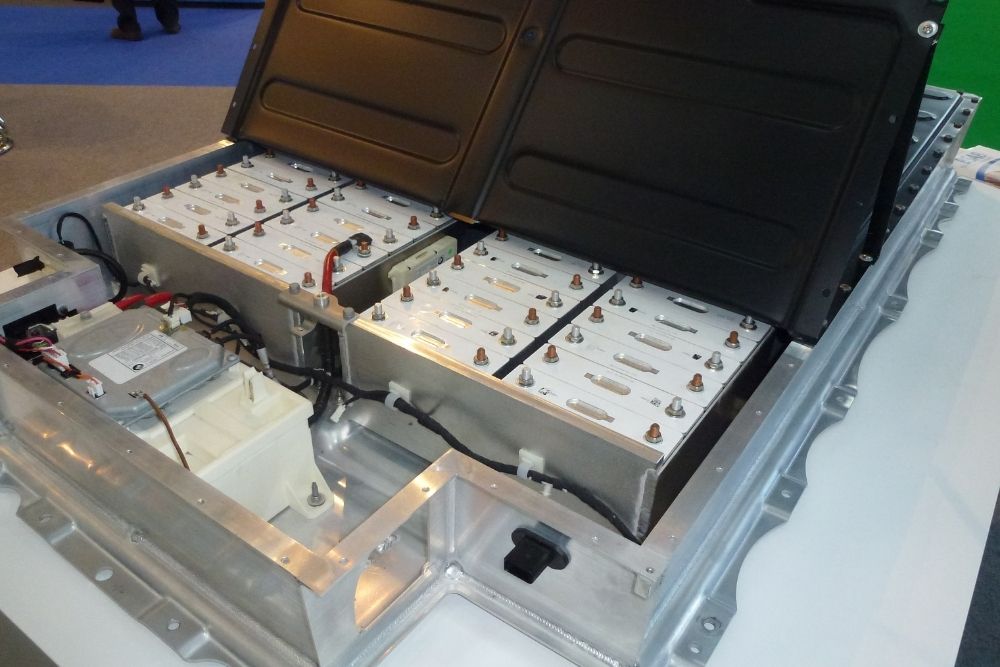
China has unveiled draft rules aimed at slowing down the rapid expansion of its battery industry, which has been a focal point of complaints from the US and Europe regarding Chinese overcapacity. The Ministry of Industry and Information Technology issued a proposal on Wednesday, advising firms in the…