
Norway designates three areas for 2025 offshore wind tender
- September 15, 2023
- Posted by: Quatro Strategies
- Categories: ESG & Renewable Energy, Europe, Sanctions & Regulation
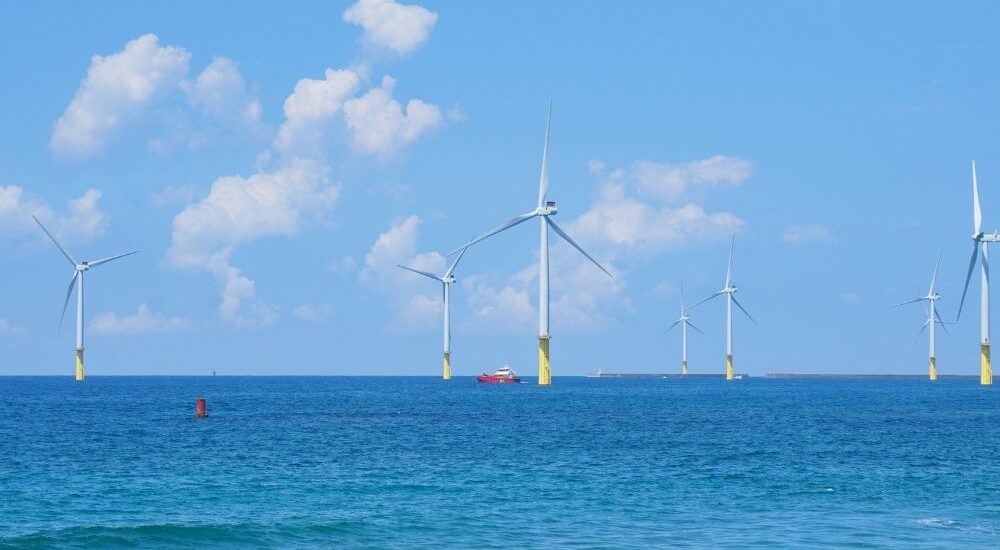
Norway is moving forward with its plans to develop offshore wind energy, with the country’s oil and energy ministry considering three areas for an offshore wind tender scheduled for 2025. This initiative is part of Norway’s broader goal to achieve 30 gigawatts (GW) of offshore wind capacity by 2040. The Norwegian Water Resources and Energy Directorate (NVE), the country’s energy regulator, has been tasked with evaluating these potential sites, located off Norway’s south and west coasts.
In April, NVE recommended 20 areas suitable for offshore wind farm deployment, but only two of these, Soervest F and Vestavind F, were deemed ready for development by 2025. These two areas encompass Norway’s initial tender locations at Soerlige Norsjoe II and Utsira Nord. Additionally, the ministry has asked NVE to begin a strategic impact assessment for Vestavind B, an area off the west coast known for favorable wind conditions and existing infrastructure.
The specific capacity to be developed in these areas has not been determined yet. The ministry expects the NVE to present its report on these sites by November 2024. Furthermore, the ministry has requested impact assessments for the remaining 17 suitable areas by June 2025 as part of the country’s aim to achieve its 2040 offshore wind target.
Norway’s first offshore wind tenders are currently open, with submissions due by November 1. These tenders include 1.5 GW of bottom-fixed offshore wind capacity at Soerlige Nordsjoe II and up to 2.25 GW of floating offshore wind capacity at Utsira Nord. These projects are expected to deliver clean electricity to mainland Norway starting in 2030, helping meet growing demand for decarbonization in various industries. Several companies, including Equinor, have expressed interest in developing offshore wind projects in Norway.
Interested in learning more?
Sign up for Top Insights Today

Top Insights Today delivers the latest insights straight to your inbox.
You will get daily industry insights on
Oil & Gas, Rare Earths & Commodities, Mining & Metals, EVs & Battery Technology, ESG & Renewable Energy, AI & Semiconductors, Aerospace & Defense, Sanctions & Regulation, Business & Politics.
Read more insights
Beijing eyes strategic copper reserves, tightening supply in volatile market
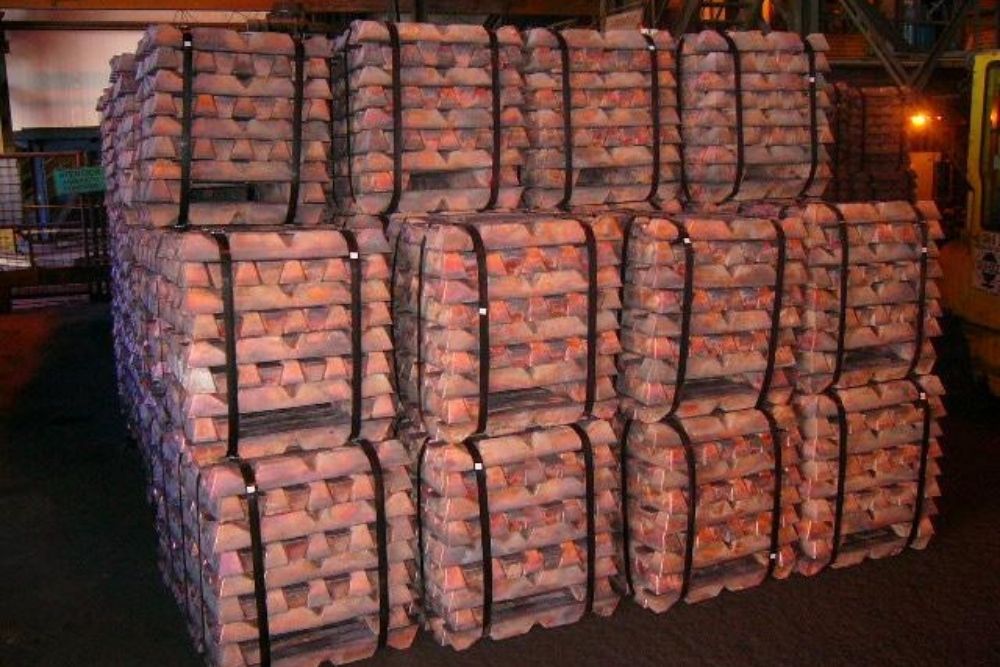
China’s metals industry establishment is signalling that copper should move higher up the national security agenda, not just the industrial one. At an annual sector briefing, the China Nonferrous Metals Industry Association relayed calls from market specialists to enlarge the country’s strategic copper holdings and, in parallel, to lean on big state-owned producers to carry more “working” inventory in the commercial system.
The practical implication is straightforward: if a large, price-sensitive buyer like the Chinese state starts accumulating additional metal, either directly into strategic reserves or indirectly by encouraging producers to warehouse more material, it tightens readily available supply and can reinforce upward price pressure, especially when the market is already skittish after a sharp rally.
Renewable energy sector faces risks from rising interest rates
Mexico’s federal government is facing pressure from the U.S. to keep Chinese automakers at a distance, refraining from offering incentives such as low-cost public land or tax cuts for electric vehicle (EV) production. This pressure is believed to be a result of concerns about Chinese automakers…

UK and US bans on Russian metal prompt traders to capitalize on LME stockpiles
The UK and US banning future sales of Russian aluminum, copper, and nickel on the London Metal Exchange (LME) has prompted traders to devise a way to capitalize on existing stockpiles of Russian metal within the LME’s global warehouse network. While the sanctions aim to restrict the delivery…