
Norway’s Hystar to build electrolyzer plant in Oslo, expand into North America
- October 2, 2023
- Posted by: Quatro Strategies
- Categories: Americas, ESG & Renewable Energy, Europe
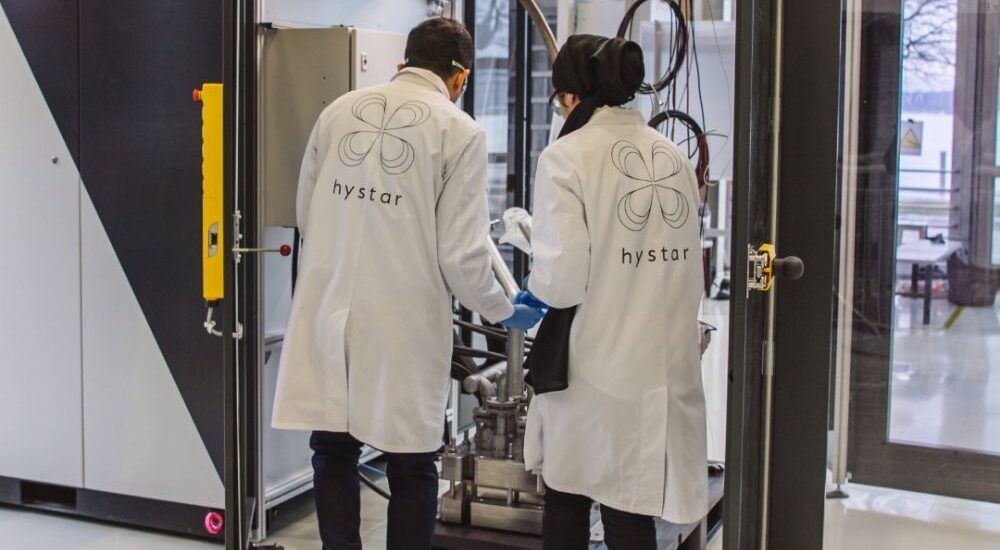
Hystar, a Norwegian electrolyser company, is embarking on significant expansion plans, aiming to build a new factory outside Oslo and expand into North America to tap into investment incentives. Electrolysers are instrumental in producing green hydrogen by splitting water using electricity, enabling the decarbonization of industry sectors that can’t transition to electricity directly. Hystar has garnered financial support from Japanese companies Mitsubishi and Nippon Steel Trading.
The company is set to construct a factory in Hoevik outside Oslo, capable of producing 4 gigawatts of electrolyser capacity annually. The facility is expected to be operational by 2026.
Hystar’s technology boasts a 10% energy efficiency improvement compared to current models and is designed to be easily scalable. The company already operates a small research and production facility at the site, which can assemble 50 MW of electrolyser capacity.
Beyond Europe, Hystar is eyeing North America for expansion, planning to set up a North American headquarters in 2024 and aiming to build a multi-gigawatt factory by 2027. The company sees attractive incentives in the U.S. and Canada, with the U.S. Inflation Reduction Act (IRA) providing investment incentives.
The company sees strong demand in the U.S. hydrogen market, particularly with the government proposing up to 10 hydrogen hubs soon, prompting an accelerated and more ambitious expansion strategy.
QUATRO Strategies International Inc. is the leading business insights and corporate strategy company based in Toronto, Ontario. Through our unique services, we counsel our clients on their key strategic issues, leveraging our deep industry expertise and using analytical rigor to help them make informed decisions to establish a competitive edge in the marketplace.
Interested in learning more?
Sign up for Top Insights Today

Top Insights Today delivers the latest insights straight to your inbox.
You will get daily industry insights on
Oil & Gas, Rare Earths & Commodities, Mining & Metals, EVs & Battery Technology, ESG & Renewable Energy, AI & Semiconductors, Aerospace & Defense, Sanctions & Regulation, Business & Politics.
Read more insights
ExxonMobil finalizes $60 billion acquisition of Pioneer Natural Resources
ExxonMobil has successfully completed its acquisition of Pioneer Natural Resources, following approval from the U.S. Federal Trade Commission. This $60 billion deal merges the two companies to create an Unconventional business with significant potential in the Permian Basin. The combined company boasts…

EU set to open third joint gas buying round next month
The European Union (EU) is set to launch its third round of joint gas buying next month, as the bloc continues its efforts to secure gas supplies in anticipation of another winter with limited Russian gas availability. The collective gas buying initiative was initiated this year as a response to Russia reducing gas deliveries in 2022 following its invasion of Ukraine. The scheme involves gathering gas demand from companies, seeking offers from global gas suppliers, and matching buyers and sellers. The EU aims to fill storage caverns ahead of winter and leverage the collective market clout of EU countries to avoid competition that could drive up gas prices.
Taiwan’s Hota to build first non-Asian plant in New Mexico
Taiwanese auto component manufacturer Hota Industrial Mfg. Co. has made a significant announcement regarding its global expansion strategy. The company revealed plans to invest $99 million in building its inaugural plant outside of Asia, and the chosen location is in the U.S. state of New Mexico.