
Offshore wind developers, not satisfied with prices, staying away from British auctions
- September 14, 2023
- Posted by: Quatro Strategies
- Categories: ESG & Renewable Energy, Europe, Sanctions & Regulation
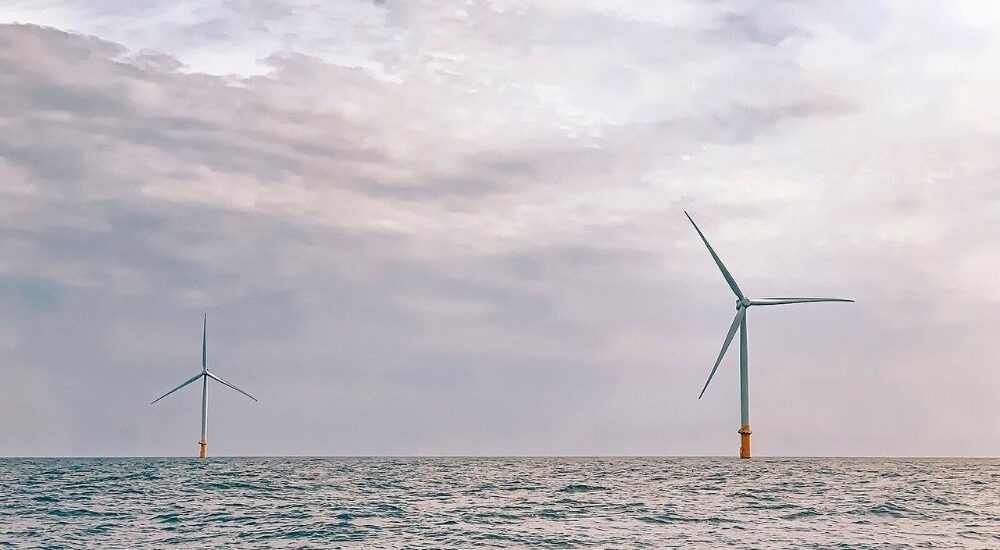
In the latest renewable energy auction in the UK, offshore wind developers chose not to participate, citing concerns that the government’s offered price did not adequately account for rising industry costs. This development is seen as a setback for the UK’s goal of achieving net-zero emissions by 2050, which includes a target of having 50 gigawatts (GW) of offshore wind capacity by 2030, up from around 14 GW currently.
In the previous year’s auction, offshore wind projects were the primary recipients of funding, receiving contracts for 7 GW of capacity. However, the lack of participation in the recent auction has raised concerns about the future growth of the offshore wind sector in the UK.
The Department for Energy Security and Net Zero attributed the absence of awards in this auction, both for offshore and floating offshore wind, to the global rise in inflation and its impact on supply chains. The offshore wind industry has experienced significant cost increases, leading developers worldwide to reconsider projects or seek renegotiations. Turbine manufacturers have also faced challenges with quality issues as they scale up the technology.
The UK government’s Contract for Difference (CfD) scheme, which guarantees a set price for renewable electricity, imposed a price cap for offshore wind bids at £44 per megawatt-hour (MWh), down from £46/MWh in the previous round. Some critics argue that this price cap was set too low, making it impossible for investors to cover their costs.
The lack of new offshore wind capacity is expected to cost consumers approximately £1 billion per year. The government had initially offered £227 million in subsidies to support renewable power projects, increasing the amount in August in response to developers’ requests for more funding.
While the latest auction awarded contracts for 3.7 GW of capacity across all renewable technologies, it represents a significant decrease from the 11 GW of projects that received contracts in the previous round. Solar power projects secured 1.9 GW of capacity, followed by onshore wind with 1.8 GW.
This development highlights the challenges faced by the offshore wind industry in the UK and the need for government policies that align with industry realities to ensure the country’s renewable energy goals are met.
Interested in learning more?
Sign up for Top Insights Today

Top Insights Today delivers the latest insights straight to your inbox.
You will get daily industry insights on
Oil & Gas, Rare Earths & Commodities, Mining & Metals, EVs & Battery Technology, ESG & Renewable Energy, AI & Semiconductors, Aerospace & Defense, Sanctions & Regulation, Business & Politics.
Read more insights
Gas prices climbing again over geopolitical issues
Recent days have seen a sharp rise in gas prices due to geopolitical instability, causing heightened fears of winter supply shortages. Europe’s benchmarks, particularly the UK, have experienced significant price increases, reaching the highest levels since February. This surge is evident in the…
Offshore wind developers expected to submit bids in New York’s fourth solicitation
Several offshore wind developers, including units of European energy firms Orsted, Equinor, and BP, are anticipated to submit bids in New York’s fourth offshore wind solicitation by the Thursday deadline. The U.S. offshore wind industry encountered significant challenges in 2023 as companies…
Small modular reactors take center stage in U.S. energy push
The U.S. Department of Energy’s selection of 11 companies for its new Reactor Pilot Program marks a significant strategic push to accelerate next-generation nuclear technology at a time when AI-driven data centers and other high-load industries are straining the U.S. grid.
By bypassing traditional Nuclear Regulatory Commission procedures under recent executive orders from President Donald Trump, the DOE is betting on speed, aiming to get at least three small test reactors operational within a year.