
Peru’s Minsur to invest $2 billion to expand copper, tin operations
- September 1, 2023
- Posted by: Quatro Strategies
- Categories: Americas, Mining & Metals, Rare Earths & Commodities
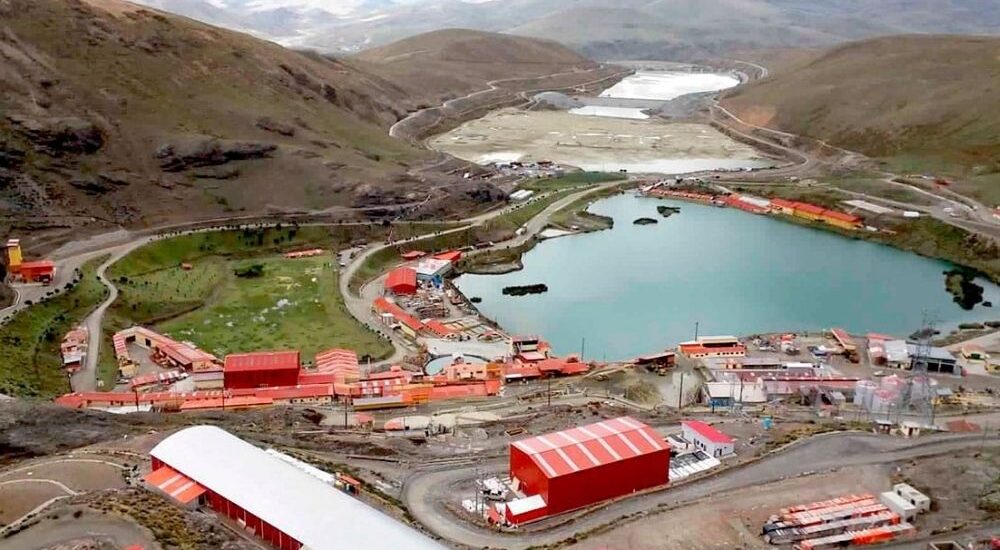
Peruvian mining company Minsur has announced a significant investment of at least $2 billion over the next five years to expand its copper and tin mining operations. This move comes as part of the company’s efforts to strengthen its position in these critical metals markets. Minsur plans to allocate around $543 million to an underground project in the Justa mine, a joint venture between Minsur and Chilean mining firm Copec. Additionally, they will invest $381 million to expand the processing plant and improve the Justa mine camp, which commenced operations in 2021.
The Justa mine has been a significant contributor to Minsur’s copper production, yielding 126,036 fine metric tons of copper in the previous year, making it the world’s seventh most productive copper mine, according to official data. Peru is recognized as the world’s second-largest copper producer, and Minsur plays a crucial role in this industry. Besides copper, Minsur is also the sole tin miner in Peru and holds a notable position as a global supplier of this relatively rare metal.
To bolster its tin production, Minsur plans to allocate $462 million to enhance its tin production line and another $100 million to fund tin exploration projects within the country. These investments are aimed at sustaining and potentially expanding Minsur’s contribution to the global tin market, which currently stands at around 9% of the total tin production worldwide.
Furthermore, Minsur intends to invest approximately $342 million to modernize its polymetallic producer, Minera Raura, which aligns with its broader strategy of improving and expanding its mining operations across different metals. These ambitious investment plans are expected to solidify Minsur’s presence in the metals market and contribute significantly to Peru’s mining industry. The company is set to present the first permits for its Mina Justa Subterranea project in early 2024, with production slated to begin in 2027. This project is anticipated to be one of the largest and most advanced underground mines in Peru, further underlining Minsur’s commitment to growth and innovation in the mining sector.
Interested in learning more?
Sign up for Top Insights Today

Top Insights Today delivers the latest insights straight to your inbox.
You will get daily industry insights on
Oil & Gas, Rare Earths & Commodities, Mining & Metals, EVs & Battery Technology, ESG & Renewable Energy, AI & Semiconductors, Aerospace & Defense, Sanctions & Regulation, Business & Politics.
Read more insights
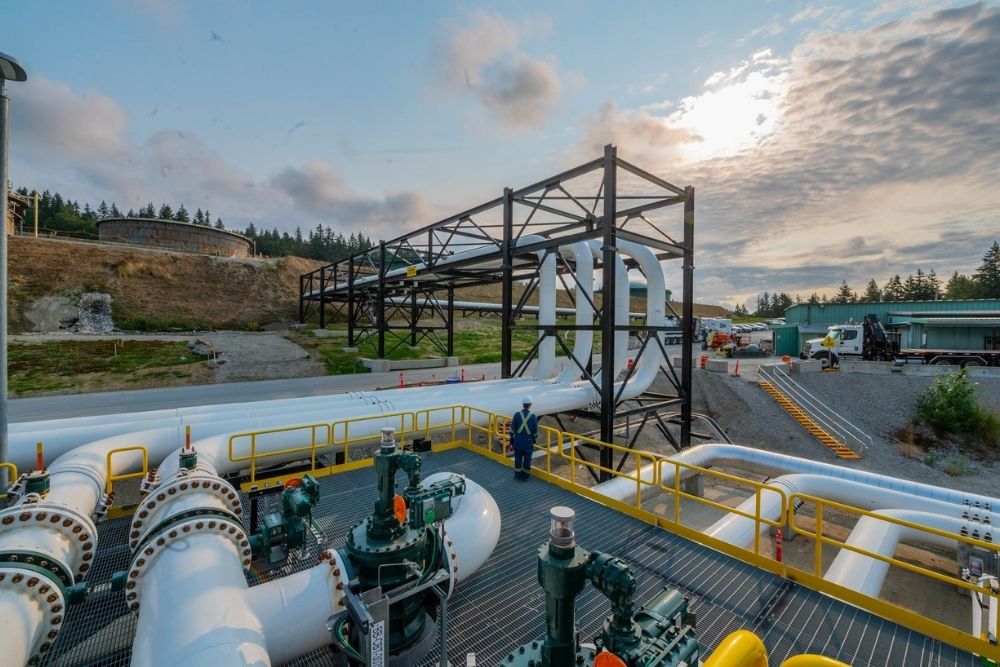
U.S. pipelines dust off big projects as White House backs fossil infrastructure
Trump’s “energy dominance” push has mostly been framed as drilling more wells, but the real test is whether molecules can move. With a friendlier regulatory climate and a White House rhetorically backing fossil infrastructure, U.S. midstream companies are dusting off projects that once looked politically or commercially impossible.
Williams has revived Northeast gas expansions. ONEOK is testing shipper appetite for a 440 mile Texas to Arizona line. And now Phillips 66 and Kinder Morgan have unveiled Western Gateway, a plan to stitch new and existing pipes into a long haul system that would ferry gasoline and other refined products from Gulf Coast and Midwestern hubs to demand centers in California, Arizona, and Nevada.
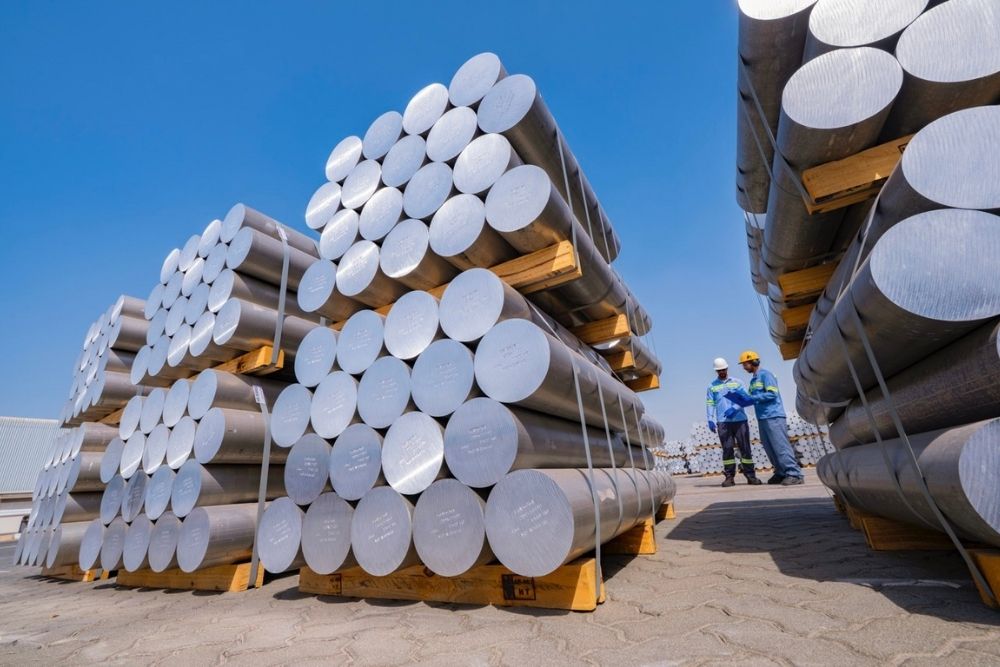
Gulf aluminium recovery turns a supply crisis into a logistics test
Aluminium prices dropped sharply after Emirates Global Aluminium restarted its Al Taweelah alumina refinery in the United Arab Emirates, reinforcing expectations that Gulf metal supply will recover more quickly than the market had previously assumed. The restart ended an outage that lasted roughly three and a half months and provided a concrete sign that the regional production system damaged during the Iran conflict is beginning to return.
Benchmark three-month aluminium on the London Metal Exchange fell by almost 2 percent to around $3,143 a metric ton, after declining by more than 2 percent earlier in the session. The move reflected a renewed willingness among traders to sell price rallies as evidence accumulates that supply from both the Middle East and Indonesia could expand during the coming months.
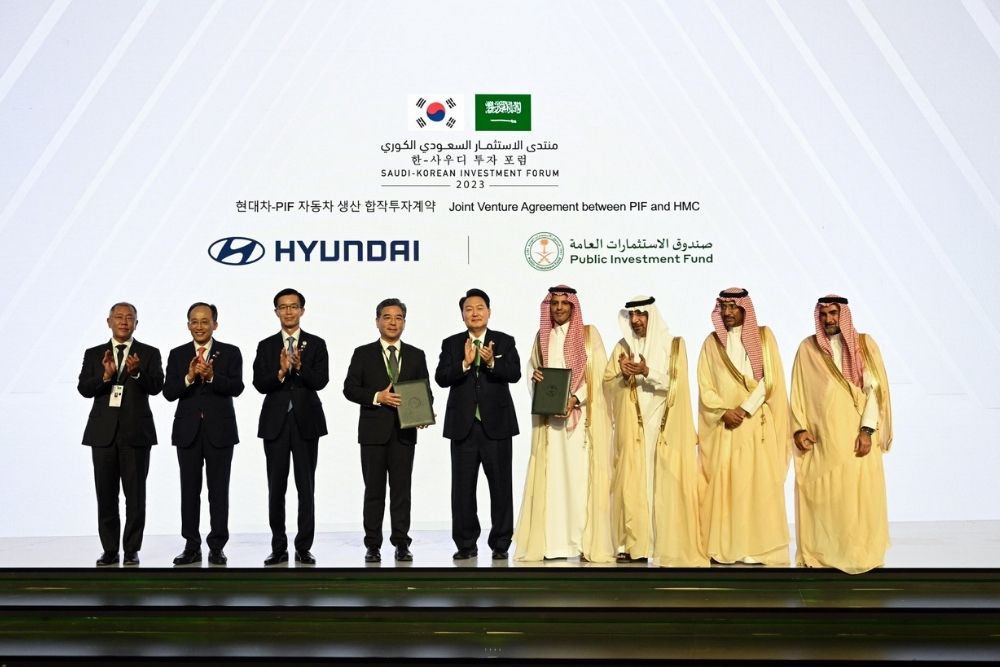
Hyundai signs agreement to build $500 million assembly plant in Saudi Arabia
Hyundai Motor Co. has entered into an agreement with Saudi Arabia’s sovereign wealth fund to establish a car assembly plant worth over $500 million in the kingdom. This development aligns with Saudi Crown Prince Mohammed bin Salman’s plan to diversify the country’s…