
Poland set to buy $12 billion worth Apache helicopters from U.S.
- August 22, 2023
- Posted by: Quatro Strategies
- Categories: Aerospace & Defense, Europe, United States
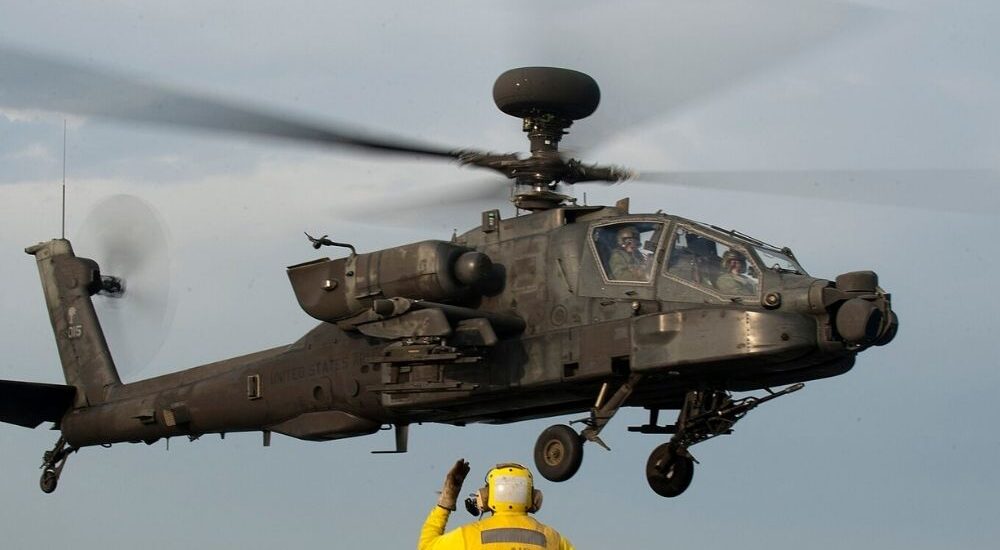
The U.S. State Department has granted approval for the potential sale of a significant arms package to Poland, which includes 96 AH-64E Apache attack helicopters along with related equipment. The deal’s estimated value is up to $12 billion. In addition to the helicopters, the package includes 1,844 Hellfire missiles and 508 Stinger missiles, which are vital components for the effective use of attack helicopters. This proposed arms sale comes as Poland has been actively working to bolster its military capabilities, particularly in response to regional security concerns triggered by Russia’s actions in neighboring Ukraine.
Poland, a NATO member, has been making military modernization a priority to enhance its defense capabilities. The potential acquisition of AH-64E Apache attack helicopters, known for their effectiveness in combat and versatility, aligns with Poland’s efforts to strengthen its military forces. The Apache helicopters are widely used by various armed forces around the world and have a proven track record in combat operations.
The U.S. defense industry would play a significant role in fulfilling this arms deal, as Boeing and Lockheed Martin are named as the prime contractors for the AH-64E Apache helicopters and related equipment. However, it’s important to note that the approval from the State Department is just one step in the process. While it signifies the willingness of the U.S. government to support such a sale, it does not guarantee the finalization of the contract or the conclusion of negotiations between the parties involved.
The proposed sale also highlights the strong defense ties between the United States and Poland, both of which are NATO allies. This collaboration underscores the broader regional security dynamics in Europe and the efforts of NATO member states to enhance their defense capabilities in response to evolving geopolitical challenges. As the potential arms deal progresses, it will likely continue to draw attention within the international defense community and contribute to discussions about the security landscape in Europe and beyond.
Interested in learning more?
Sign up for Top Insights Today

Top Insights Today delivers the latest insights straight to your inbox.
You will get daily industry insights on
Oil & Gas, Rare Earths & Commodities, Mining & Metals, EVs & Battery Technology, ESG & Renewable Energy, AI & Semiconductors, Aerospace & Defense, Sanctions & Regulation, Business & Politics.
Read more insights
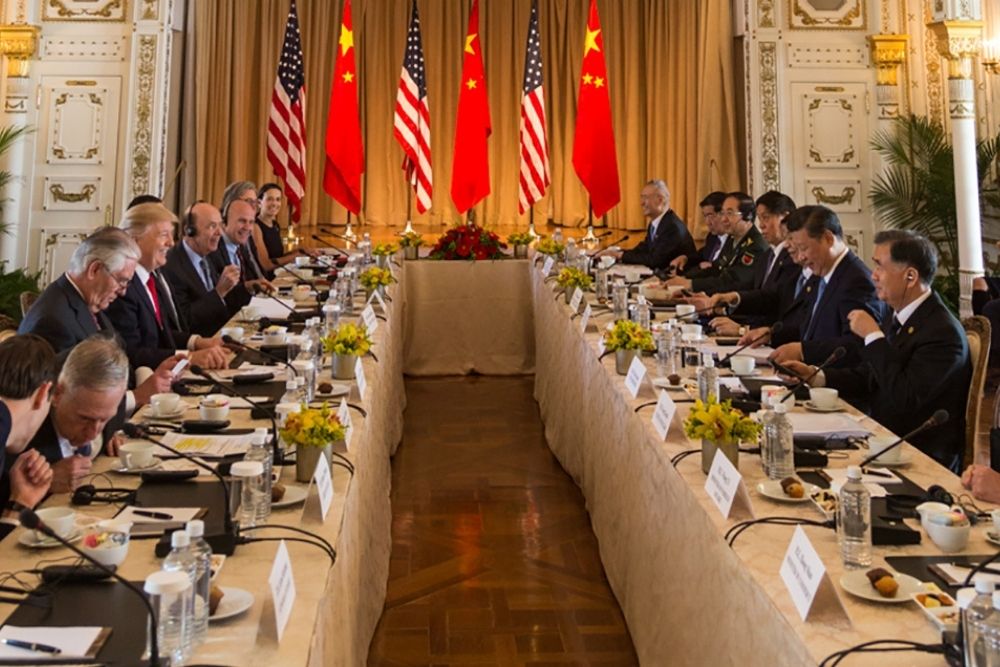
The Trump-Xi summit is about managing rivalry, not resetting it
The Trump-Xi summit is being framed as a stabilizing encounter between the world’s two largest economies, but the agenda already shows how limited any genuine breakthrough is likely to be. U.S. officials say Donald Trump and Xi Jinping are expected to discuss Iran, Taiwan, artificial intelligence, nuclear weapons, rare earths, trade, agriculture, energy, and possible aircraft purchases during the May 14-15 talks in Beijing.
That breadth is itself revealing. The meeting is not centered on a single solvable dispute; it is an attempt to keep multiple strategic flashpoints from worsening at once. The most urgent topic is likely to be Iran. Treasury Secretary Scott Bessent has already said the war will be on the agenda, and U.S. officials are pressing Beijing over the revenue and dual-use goods China provides to Iran and Russia.
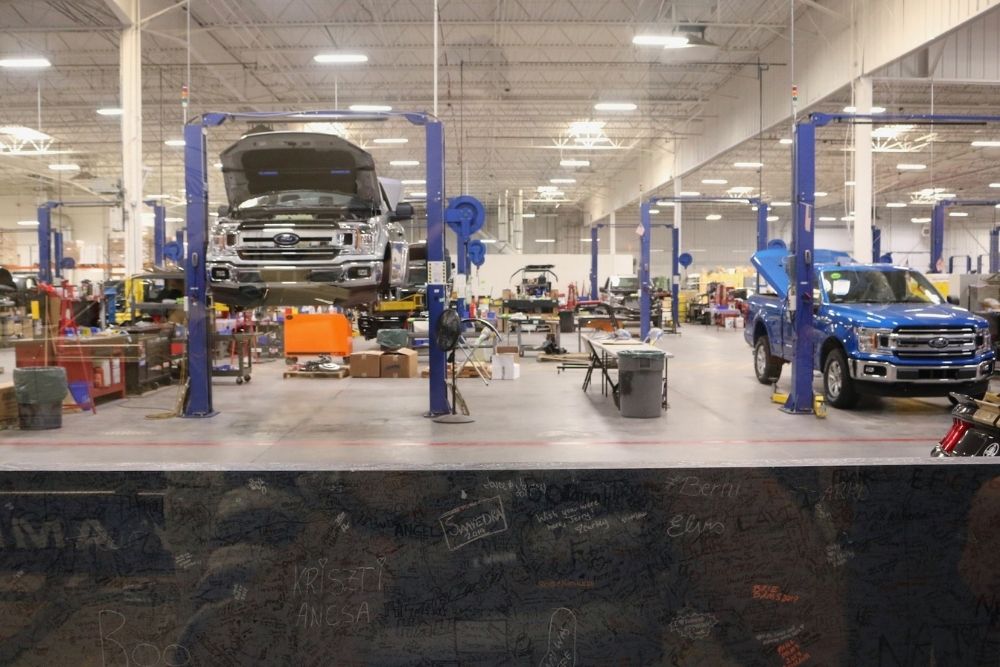
Trump confirms auto tariffs are coming but hints at flexibility on April 2 deadline
President Donald Trump confirmed Monday that auto tariffs are coming soon, but signaled that not all of his threatened levies would hit on April 2, suggesting that some countries may be spared. That message—suggesting a degree of flexibility—lifted U.S. stocks, as investors bet the sweeping tariffs he’s long warned about could be narrower in scope.
Trump also opened a new front in his global trade campaign by announcing 25% secondary tariffs on any country purchasing oil or gas from Venezuela, citing national security and border concerns. That move jolted oil markets and further heightened trade tensions.
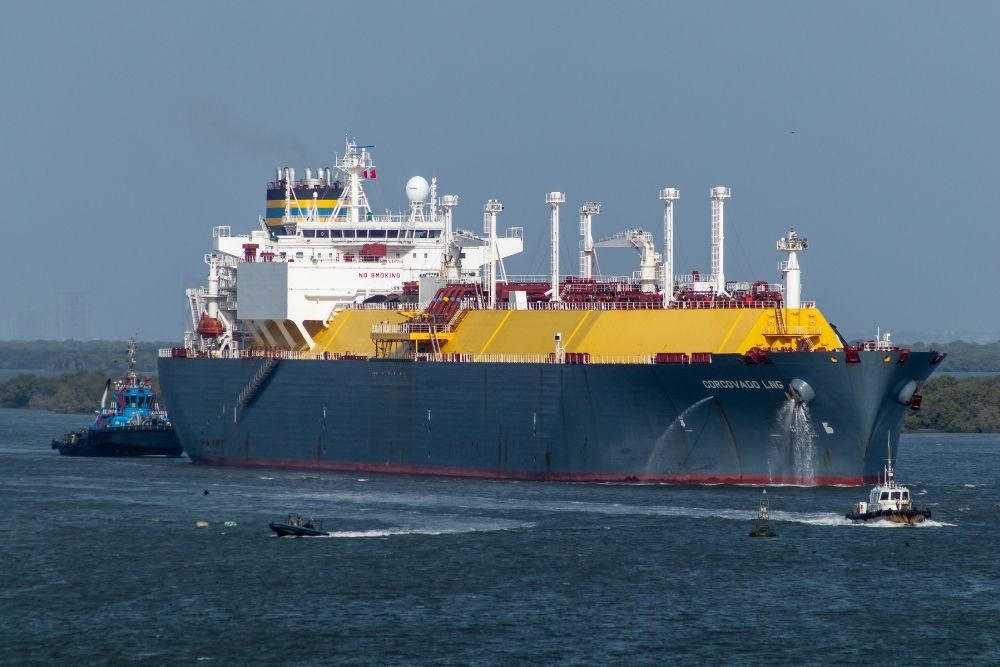
Middle East conflict hits Egypt’s LNG exports to Europe
Egypt’s potential to increase liquefied natural gas (LNG) exports to the European Union (EU) in the short and medium term appears challenging due to tight gas balances and decreased imports from Israel. Last year, Egypt supplied 80% of its LNG exports to Europe as the continent…