
Rio Tinto makes funds available for Guinea iron deposit ahead of Chinese partners
- September 19, 2023
- Posted by: Quatro Strategies
- Categories: Africa, Mining & Metals, Rare Earths & Commodities
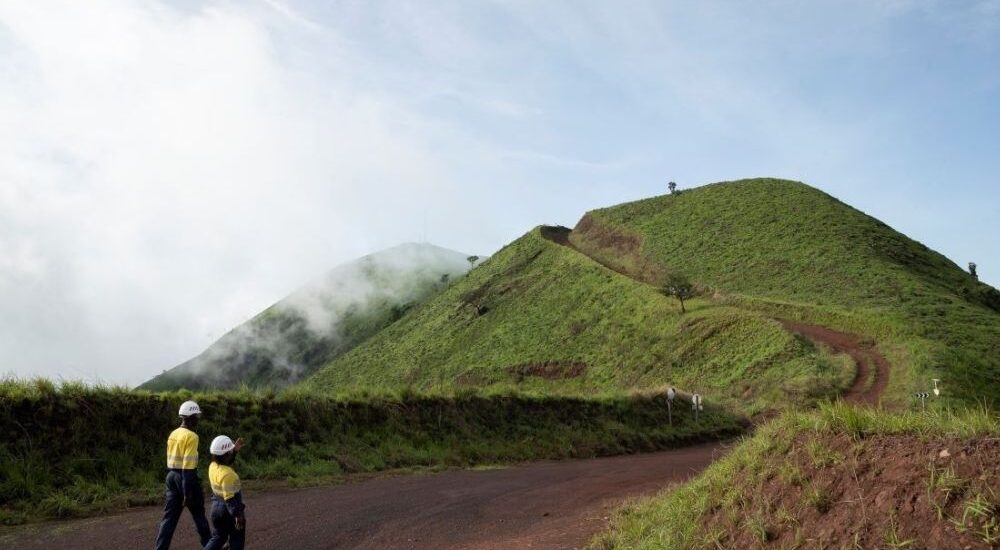
Rio Tinto, an Anglo-Australian mining company, is shouldering the entire financial burden of preparatory work at the Simandou mining blocks, one of the world’s largest untapped iron ore deposits, due to delays in funds from its Chinese partners. Rio Tinto owns two of the four Simandou mining blocks as part of its Simfer joint venture with China’s Chalco Iron Ore Holdings (CIOH) and the government of Guinea where the mine is situated.
Despite spending over $500 million on the project that should have been shared with CIOH, Rio Tinto’s Chinese partners have been held up in securing state approval for the financing. CIOH, predominantly owned by Aluminum Corporation of China (Chinalco) and Baowu Steel Group, with additional stakes held by China Railway Construction Corporation (CRCC) and China Harbour Engineering Company (CHEC), has struggled to obtain financial approvals due to complex ownership structures and China’s economic slowdown.
The delay in funds poses a significant concern, as Rio Tinto’s share of the financial commitment could deplete if their Chinese partners do not secure approval for funding. Simandou’s development has been fraught with challenges, including legal disputes, political shifts in Guinea, and the formidable task of constructing over 600 km of rail and port infrastructure for exporting the ore from the southeast of the country.
Meanwhile, Simandou’s other two blocks are owned by the Winning Consortium Simandou (WCS), a coalition of companies including Winning International Group, Weiqiao Aluminium (part of China Hongqiao Group), and United Mining Suppliers. WCS has been making steady progress with its construction work and associated infrastructure development, employing a workforce of over 10,000 people.
Despite the hurdles, the Simandou project is seen as moving forward, albeit with financial concerns regarding the Chinese partners’ contributions. Rio Tinto had allocated significant funds for its share of the development, expecting to invest $800 million in 2023, followed by approximately $2 billion each year in 2024 and 2025.
By QUATRO Strategies International Inc.
QUATRO Strategies International Inc. is the leading business insights and corporate strategy company based in Toronto, Ontario. Through our unique services, we counsel our clients on their key strategic issues, leveraging our deep industry expertise and using analytical rigor to help them make informed decisions to establish a competitive edge in the marketplace.
Interested in learning more?
Sign up for Top Insights Today

Top Insights Today delivers the latest insights straight to your inbox.
You will get daily industry insights on
Oil & Gas, Rare Earths & Commodities, Mining & Metals, EVs & Battery Technology, ESG & Renewable Energy, AI & Semiconductors, Aerospace & Defense, Sanctions & Regulation, Business & Politics.
Read more insights
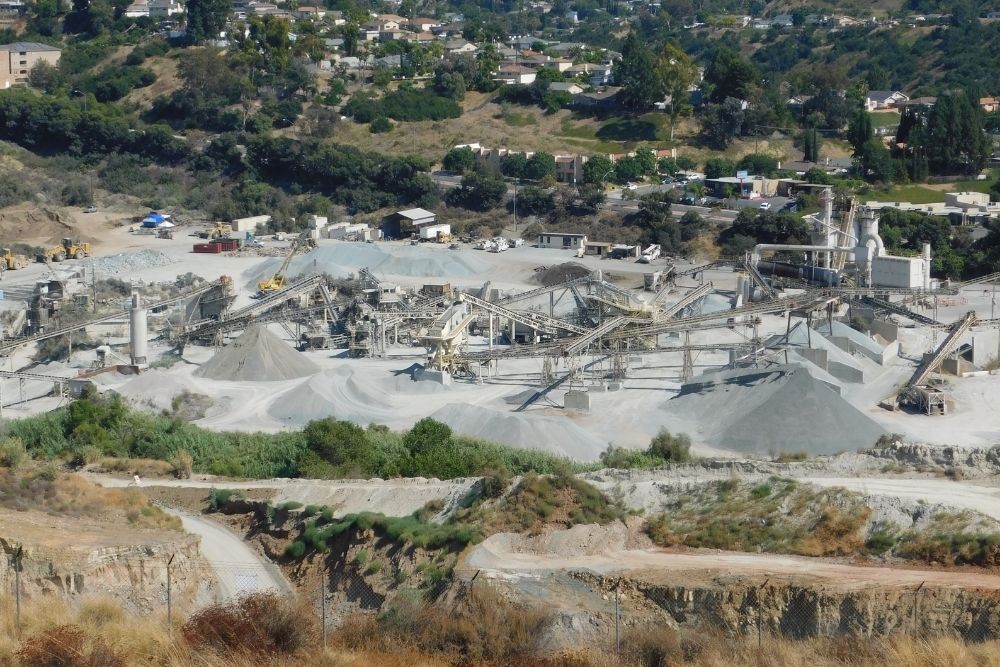
Trump unveils $12 billion critical minerals stockpile for U.S. manufacturers
Donald Trump is moving to institutionalize a civilian-facing strategic buffer for critical minerals through a new vehicle called Project Vault, backed by roughly $12 billion of initial financing. The stated objective is to shield U.S. manufacturers from supply shocks and price spikes in minerals where supply chains are structurally exposed, most notably to Chinese mining, refining, and export-policy leverage.
Unlike the existing U.S. strategic materials stockpile that is primarily oriented toward defense needs, the design here is explicitly industrial and commercial: the reserve is meant to sit behind automakers, tech firms, and other large users that cannot easily pause production when a niche input goes scarce.
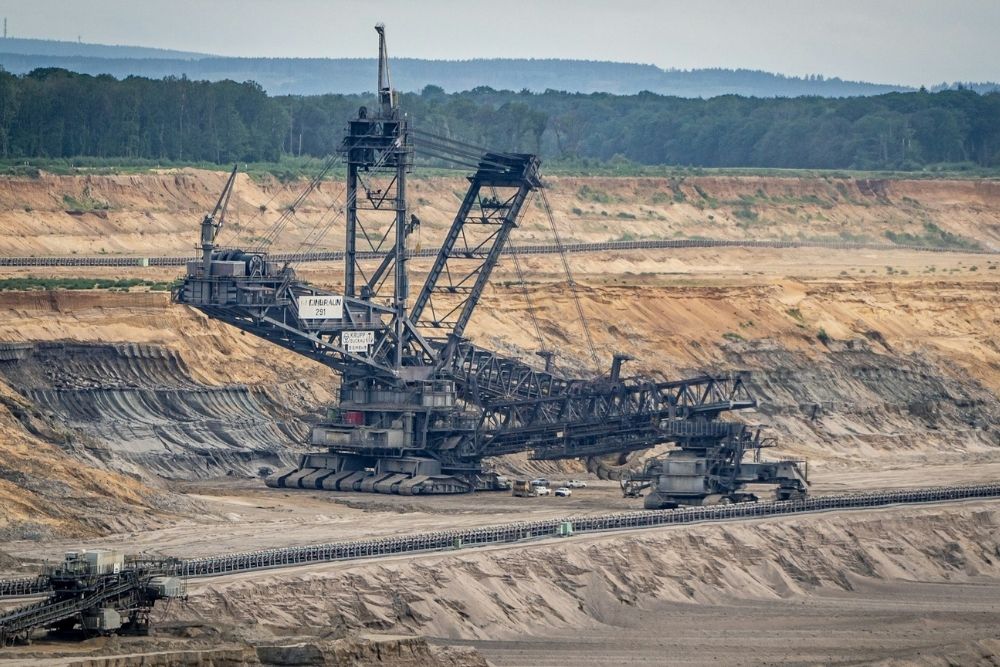
U.S. clears coal project to boost supply for Japan, South Korea
The U.S. Interior Department has approved an expansion plan for Signal Peak Energy’s coal operations in Montana, advancing President Donald Trump’s broader agenda to accelerate fossil fuel development under the banner of national energy security.
The decision allows Signal Peak to extract up to 22.8 million metric tons of federally owned coal, in addition to 34.5 million metric tons of coal from adjacent private lands. The expansion will extend the life of the Bull Mountains mine by approximately nine years, enhancing coal exports primarily destined for Japan and South Korea.

Global IPO activity falls to nine-year low amid tariffs and market turbulence
Global equity initial public offerings (IPOs) have slumped to their lowest level in nine years, as companies navigate a storm of macroeconomic and geopolitical headwinds — from resurgent U.S. tariffs and investor uncertainty to elevated interest rates and volatile market conditions.
Global IPO volume fell by 9.3% year-on-year to just $44.3 billion as of June 17. The United States, traditionally a cornerstone of global capital raising, saw IPO proceeds fall 12% to $12.3 billion. Europe experienced an even more pronounced collapse, with volumes plummeting 64% to $5.8 billion. The only bright spot was the Asia-Pacific region, where IPO activity surged 28% to $16.8 billion, buoyed by a wave of Chinese and Japanese listings.