
Russia’s Nornickel opens Dubai office
- August 24, 2023
- Posted by: Quatro Strategies
- Categories: Europe, Middle East, Mining & Metals, Sanctions & Regulation
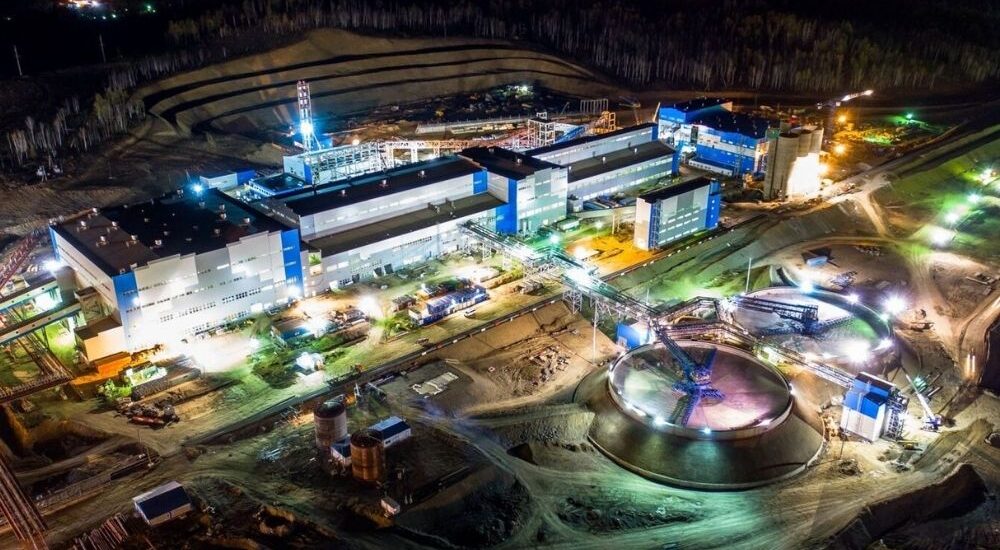
MMC Norilsk Nickel PJSC, the world’s largest refined nickel producer and palladium miner, has established an office in Dubai, becoming the largest Russian metals and mining company to set up in the United Arab Emirates. The move comes in the aftermath of the Kremlin’s war in Ukraine and amid increasing interest from Russian businesses in finding alternatives to navigate the challenges posed by international sanctions.
The Dubai-based office is incorporated under the name Greenwich Holdings Limited and is located within Dubai’s financial district. While the new office currently has a small team and a lawyer serving as a director, it is anticipated to expand over time as Norilsk Nickel explores the possibility of handling trading and administrative functions from the UAE.
The establishment of this office is part of a broader trend of Russian companies seeking new locations and avenues to conduct business in the face of sanctions and geopolitical tensions. The UAE has attracted Russian businesses, commodity traders, and individuals looking for a more stable environment amid the aftermath of the Ukraine conflict and associated sanctions.
While Norilsk Nickel itself has managed to avoid direct sanctions, it has experienced disruptions in various aspects of its operations due to the fallout from the conflict. The company’s logistics, insurance, banking, and shipping activities have been impacted, leading to adjustments in its global operations. Notably, the company redirected its sales focus from Europe to Asia, as the latter became a larger share of its total sales.
The establishment of an office in Dubai provides Norilsk Nickel with a strategic foothold in a region that offers proximity to key markets and potential business partners. This move reflects the company’s proactive approach to adapting to changing international dynamics and ensuring the continuity of its operations and growth.
Interested in learning more?
Sign up for Top Insights Today
Top Insights Today delivers the latest insights straight to your inbox.
You will get daily industry insights on
Oil & Gas, Rare Earths & Commodities, Mining & Metals, EVs & Battery Technology, ESG & Renewable Energy, AI & Semiconductors, Aerospace & Defense, Sanctions & Regulation, Business & Politics.
Read more insights
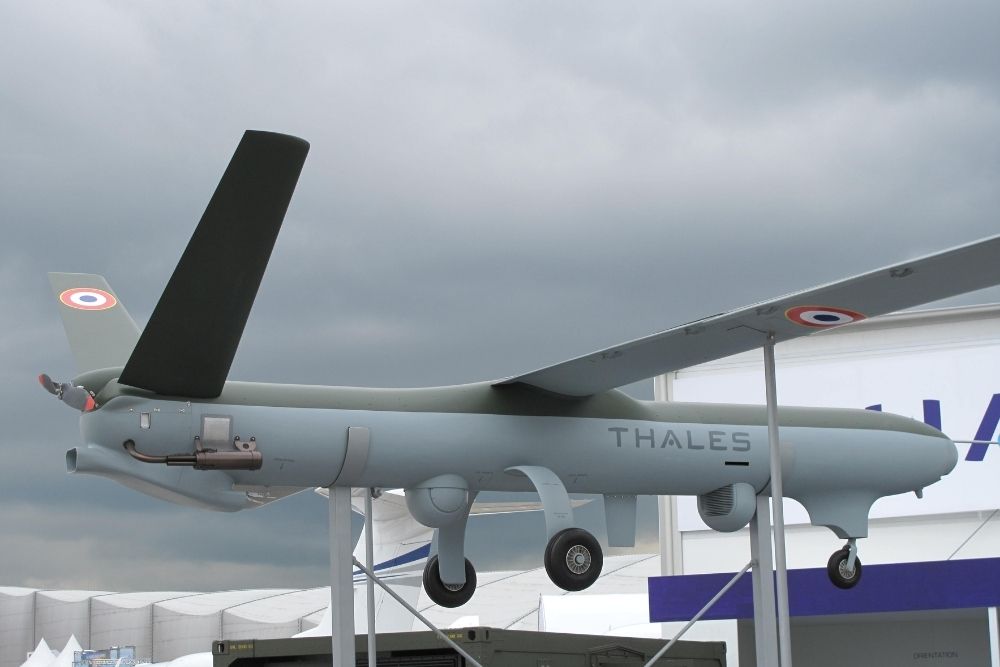
Rising military budgets drive European defense sector towards consolidation
After 30 years of gradual consolidation, European defense companies appear poised for a new wave of mergers. While smaller players are expected to continue being absorbed by larger ones, larger deals will require a determined push by governments to build a true pan-European military…
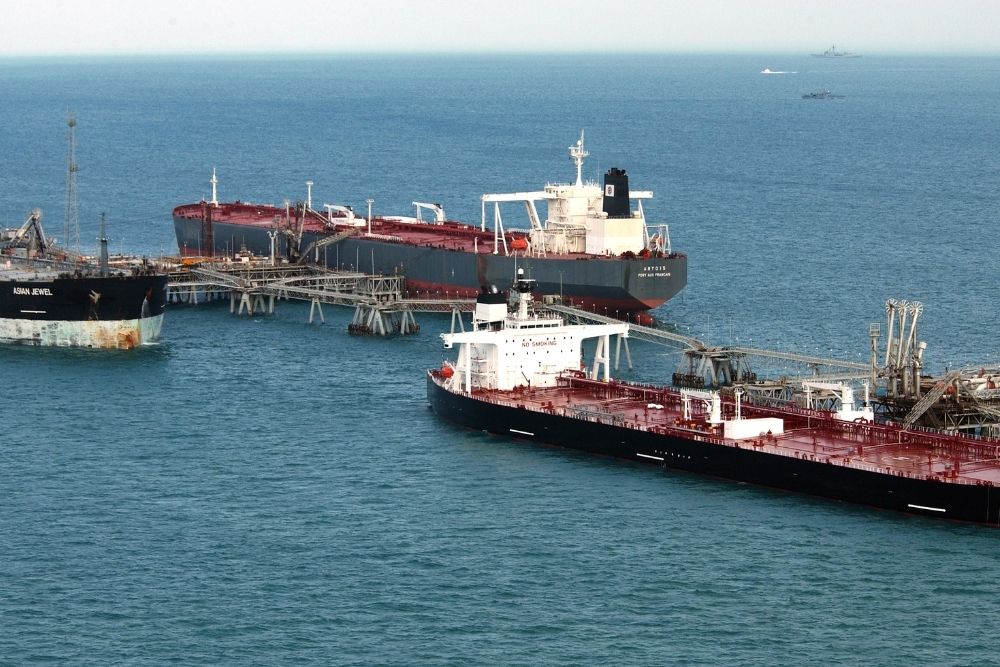
OPEC struggles with Iraq’s overproduction, highlights unity challenges
Iraq’s failure to comply with OPEC’s oil supply cuts agreement has once again highlighted the challenges of maintaining cohesion within the alliance and ensuring adherence to production quotas. Despite OPEC’s efforts to curb oversupply and stabilize oil prices, Iraq produced above its quota…
Biden administration tightens restrictions on US chip exports to China
The Biden administration has implemented revised rules aimed at tightening restrictions on China’s access to U.S. artificial intelligence (AI) chips and chipmaking tools, as part of its strategy to limit Beijing’s advancements in chip manufacturing due to national security concerns…