
Russia’s ongoing fuel crunch may get worse in the coming months
- September 1, 2023
- Posted by: Quatro Strategies
- Categories: Europe, Oil & Gas
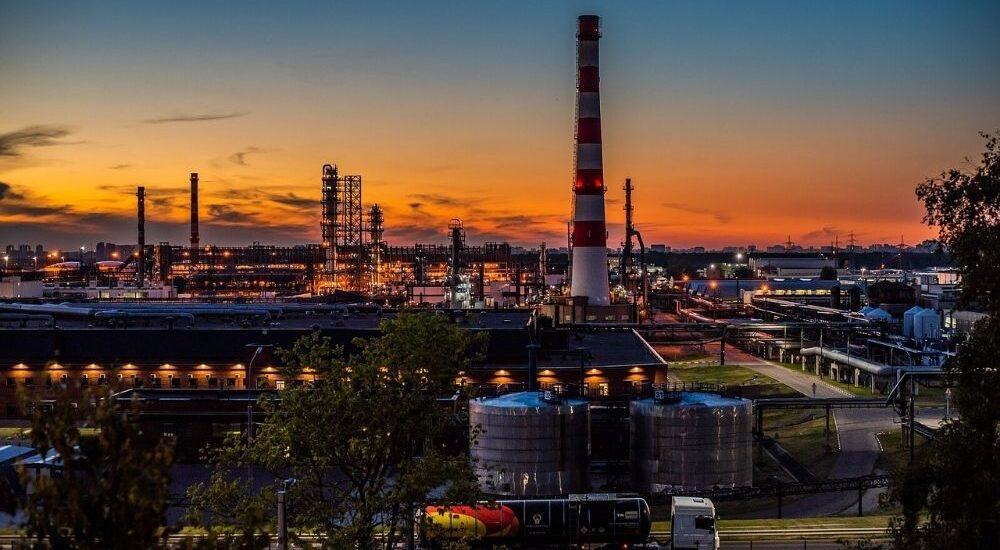
Russia, one of the world’s biggest oil producers, is facing fuel shortages in some parts of its southern breadbasket, affecting the crucial harvest gathering. Market sources attribute these shortages to a combination of factors, including maintenance at oil refineries, infrastructure bottlenecks on railways, and a weaker ruble that encourages fuel exports.
The government’s decision to cut subsidies for refineries is expected to worsen the fuel availability situation in the world’s largest grain exporter. Regional oil product depots in Russia’s southern regions have been forced to cut or suspend fuel sales, and retail filling stations have had to limit fuel sale volumes to customers.
Farmers have also expressed concerns about fuel scarcity, with some reporting that oil product prices have risen by 10% to 20%. The situation is expected to improve no earlier than October, as many oil refineries will complete their maintenance, and seasonal demand is expected to decline.
The Russian government has been contemplating export curbs to prevent a serious fuel crisis, which is a sensitive issue ahead of a presidential election in March. Deputy Prime Minister Alexander Novak has denied fuel shortages but acknowledged that measures are being considered to ensure a stable supply on the domestic market, including increasing mandatory sales on exchanges and limiting the number of exporters.
Wholesale diesel prices in Russia began rising sharply in July, with commodity exchange diesel prices increasing by more than a quarter in the past two months. The situation is also exacerbated by the state’s practice of capping retail fuel prices and only allowing price increases in line with official inflation.
Interested in learning more?
Sign up for Top Insights Today

Top Insights Today delivers the latest insights straight to your inbox.
You will get daily industry insights on
Oil & Gas, Rare Earths & Commodities, Mining & Metals, EVs & Battery Technology, ESG & Renewable Energy, AI & Semiconductors, Aerospace & Defense, Sanctions & Regulation, Business & Politics.
Read more insights
European industry group Eurofer revises 2024 steel demand outlook downward to 3.2%
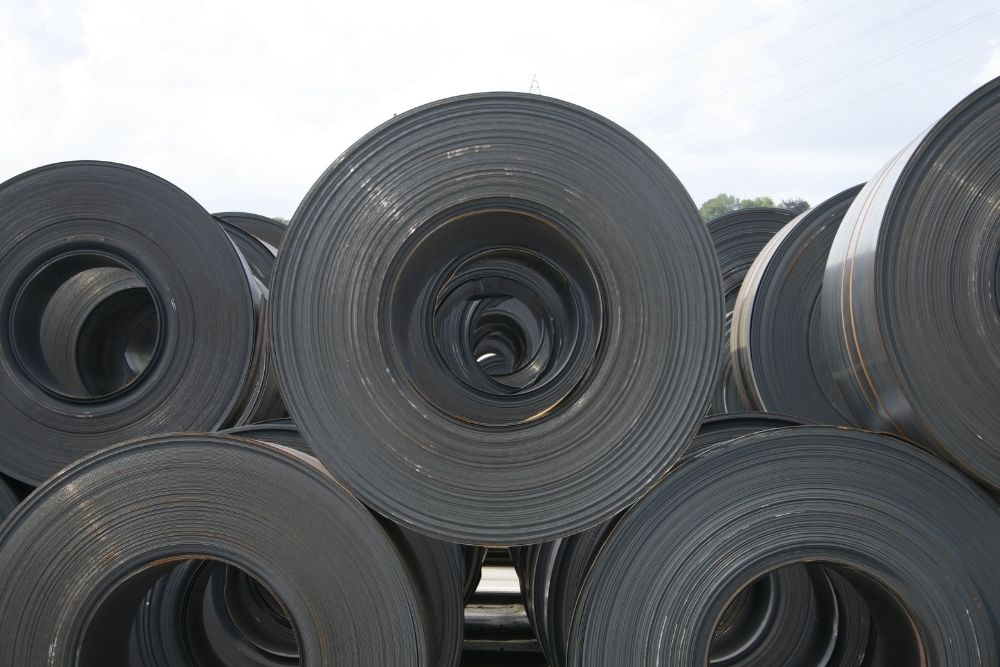
The European Steel Association (Eurofer) has revised its 2024 steel demand outlook downward for the second time in a few months, now projecting a growth of 3.2%. This adjustment is attributed to geopolitical tensions, economic uncertainty, and high interest rates. Eurofer had previously cut its forecast…
Germany’s Sefe secures 15-year LNG deal with UAE’s ADNOC
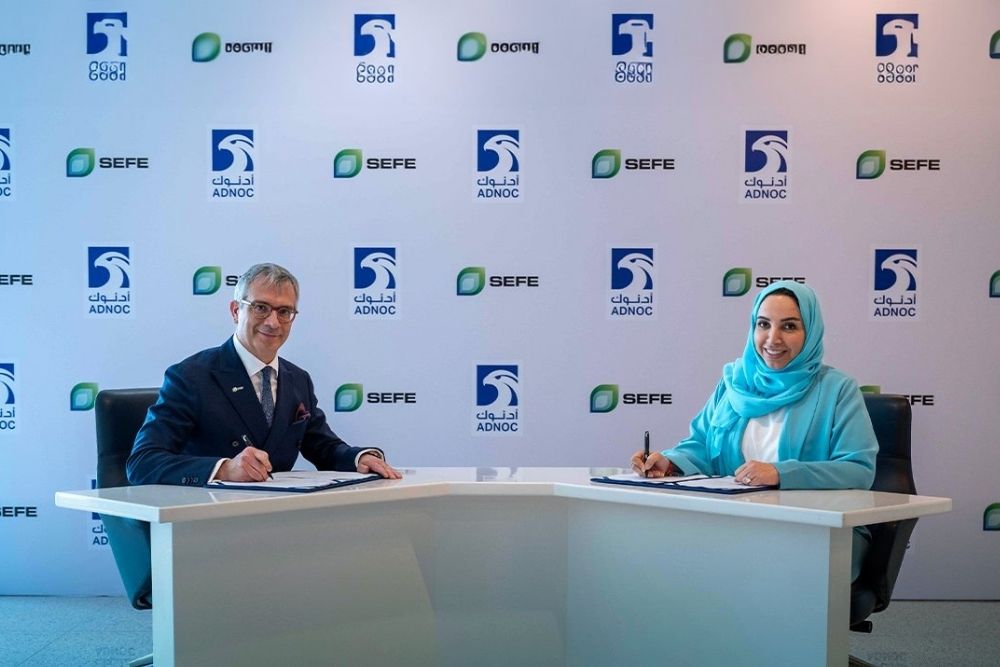
Germany’s state-controlled firm Securing Energy for Europe (Sefe) has entered into an agreement with ADNOC, Abu Dhabi’s national oil company, for a 15-year LNG supply deal starting in 2028. Under the terms of the agreement, ADNOC will supply 1 million metric tonnes per annum (mmtpa) of liquefied…
SQM awarded environmental certificate for Chile lithium mine
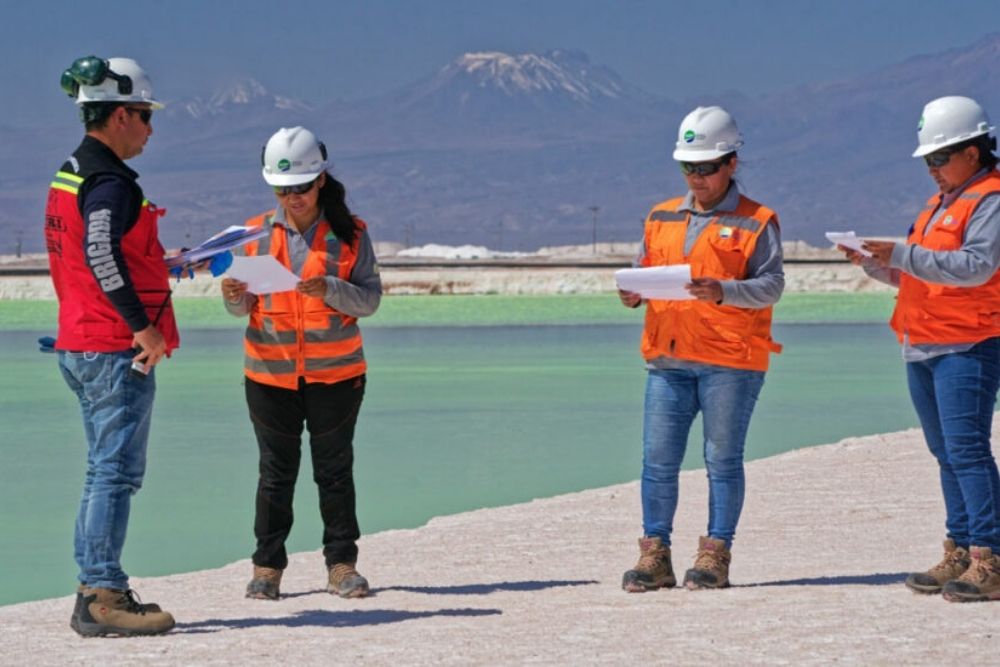
SQM, a major lithium producer, has announced that its operations in the Salar de Atacama salt flat in Chile have received IRMA (Initiative for Responsible Mining Assurance) certification. This certification measures the environmental and social performance of mine sites based on rigorous standards set by the IRMA.