
Saudi Arabia investing in U.S. lithium company Pure Lithium
- August 31, 2023
- Posted by: Quatro Strategies
- Categories: EVs & Battery Technology, Middle East, Mining & Metals, United States
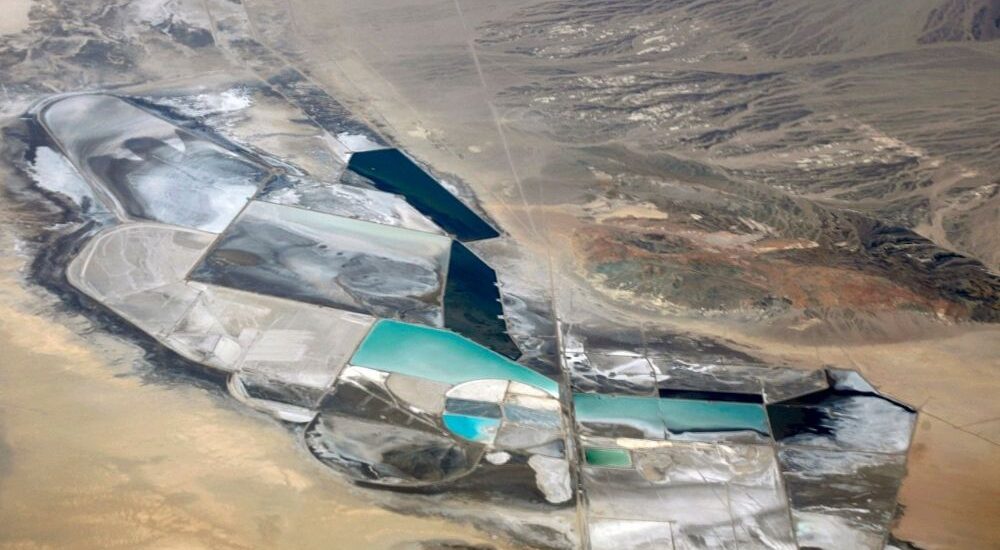
Energy Capital Group (ECG), an investment company based in Saudi Arabia, has announced an undisclosed investment in Pure Lithium, a US-based firm specializing in lithium metal batteries. The investment is aimed at supporting Pure Lithium’s efforts to establish an integrated supply chain for lithium production using its proprietary technology that extracts lithium from oil field brines. This move aligns with Saudi Arabia’s broader strategy to diversify its energy sector and invest in clean energy technologies.
Pure Lithium’s technology focuses on direct lithium extraction (DLE), a process that offers significant advantages over traditional methods of lithium extraction from brine sources. DLE technology can extract lithium from brines more efficiently and rapidly, potentially reducing the time required to produce battery-grade lithium. This innovation is crucial in meeting the rising demand for lithium-ion batteries, which are widely used in electric vehicles and energy storage systems.
Emilie Bodoin, the CEO of Pure Lithium, emphasized the importance of Energy Capital Group’s investment in supporting the company’s vision of unlocking lithium resources from oilfield brines. She highlighted that the technology has the potential to eliminate around 90% of the costs associated with conventional lithium extraction methods.
As the world shifts toward cleaner energy solutions and electric mobility, securing a stable and efficient supply of battery materials like lithium becomes increasingly vital. DLE technology’s ability to expedite lithium extraction while also offering potential environmental benefits, such as reduced water usage and minimized chemical waste, positions it as a promising solution to address the growing demand for lithium.
The investment from Energy Capital Group not only supports the development of Pure Lithium’s innovative technology but also reflects the broader trend of investments in the clean energy and electric vehicle sectors, as countries and companies work toward achieving their sustainability goals.
Interested in learning more?
Sign up for Top Insights Today

Top Insights Today delivers the latest insights straight to your inbox.
You will get daily industry insights on
Oil & Gas, Rare Earths & Commodities, Mining & Metals, EVs & Battery Technology, ESG & Renewable Energy, AI & Semiconductors, Aerospace & Defense, Sanctions & Regulation, Business & Politics.
Read more insights
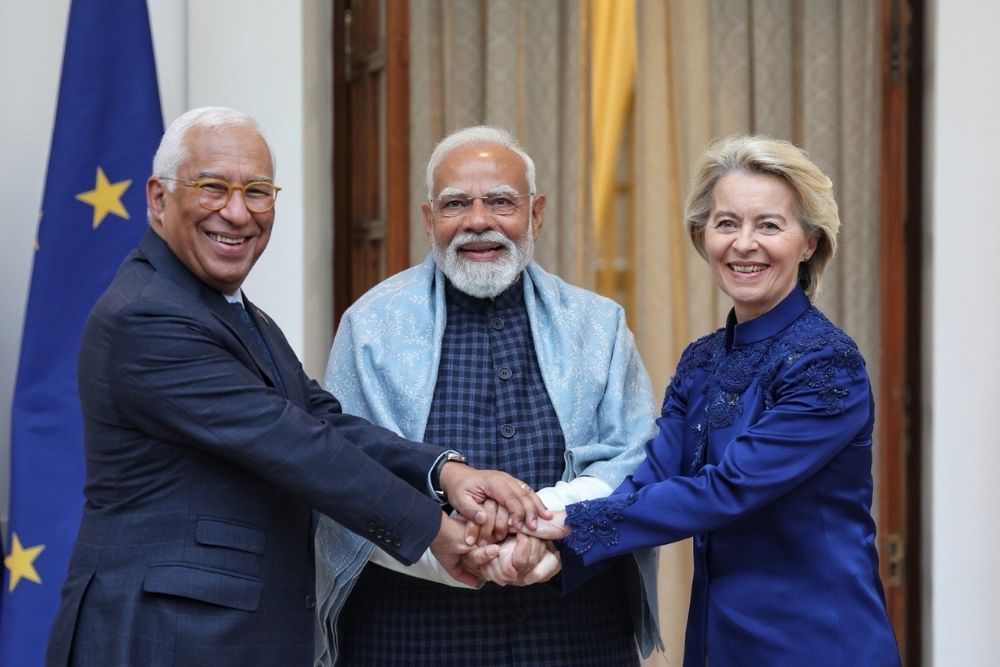
Brussels and Delhi clinch mega deal, ringfence farms, open autos
India and the European Union have agreed, in political terms, to end one of the world’s longest-running trade negotiations, and to do so explicitly as a hedge against a harsher, more weaponized global trading environment dominated by U.S. tariff shocks.
The agreement announced Tuesday sets out a sweeping tariff liberalization schedule on both sides, keeps the most combustible farm and dairy lines out of scope, and pairs market access with a climate-finance sweetener that underscores how central decarbonization disputes have become to modern trade diplomacy.

Tokyo Gas to acquire Rockcliff Energy for $2.7 billion in North American expansion
Tokyo Gas, Japan’s largest city gas supplier, is set to expand its North American presence through the acquisition of Texas-based natural gas producer Rockcliff Energy from private equity firm Quantum Energy Partners for $2.7 billion. This strategic move is in response to the growing…

Canada extends mineral exploration tax credit to boost mining investment
Canada will extend its mineral exploration tax credit for an additional two years to support investment in exploration projects, energy, and natural resources, Natural Resources Minister Jonathan Wilkinson announced on Sunday. The tax credit, which offers investors a 15% incentive to invest in flow-through shares of junior mining companies, was set to expire on March 31.
By extending it, the government aims to ensure that mining firms—especially smaller exploration companies—can continue to raise capital for their projects while reducing reliance on Chinese investment.