
Saudi Aramco eyes LNG, acquires $500 million stake in U.S.-based MidOcean
- September 29, 2023
- Posted by: Quatro Strategies
- Categories: Middle East, Oil & Gas, United States
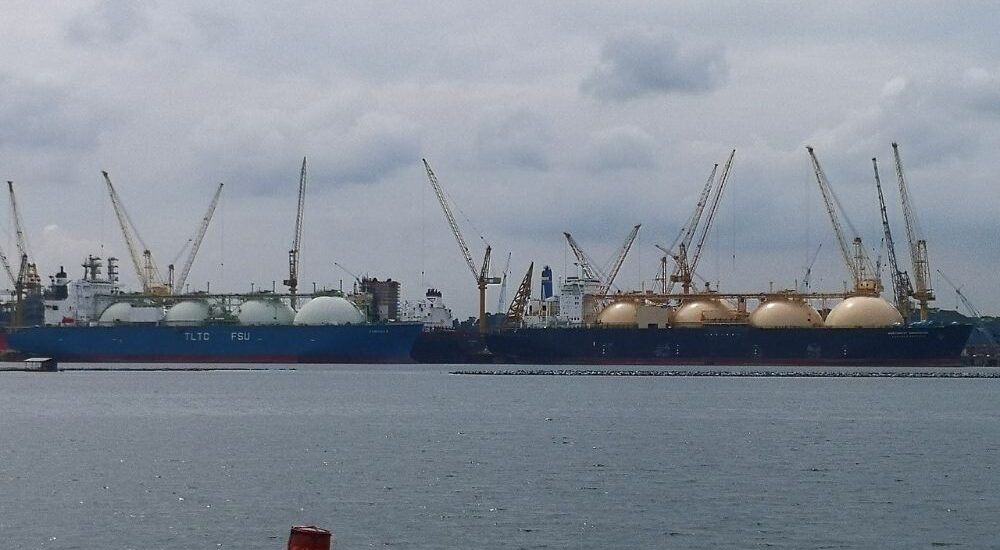
Saudi Arabia’s state-owned oil company, Aramco, has taken a significant step in expanding its presence in the liquefied natural gas (LNG) market by announcing an agreement to acquire a strategic minority stake in MidOcean Energy for $500 million, with an option to further increase its shareholding. MidOcean Energy, which is owned and managed by U.S. investment firm EIG Partners, has been actively pursuing LNG projects as part of its growth strategy to establish itself as a major player in the global LNG industry.
This acquisition aligns with Aramco’s broader strategy to diversify its energy portfolio and evolve into a leading global LNG player. While the exact size of the stake was not disclosed in the initial announcement, Aramco’s Upstream President Nasir K. al-Naimi emphasized the significance of this partnership and highlighted MidOcean Energy’s capacity to capitalize on the rising demand for LNG, suggesting that it positions Aramco strategically in the evolving global energy landscape.
MidOcean Energy has been pursuing a strategic growth plan, aiming to acquire interests in several LNG projects, particularly in Australia. The LNG market has been witnessing a surge in demand due to its importance in the energy transition towards more sustainable options.
In October 2022, MidOcean Energy entered into an agreement with Tokyo Gas Co to acquire the Japanese company’s stakes in a portfolio of four Australian LNG projects for $2.15 billion. The investment in these projects showcases the company’s ambition to contribute significantly to the LNG market.
This deal comes after EIG Partners led a consortium that acquired a 49% stake in Aramco’s oil pipelines business in 2021, raising $12.4 billion for the oil giant. Aramco President and Chief Executive Amin Nasser underscored the importance of the deal in reinforcing their collaboration with EIG. He also highlighted the growing significance of natural gas, particularly LNG, in meeting the world’s increasing need for secure, accessible, and sustainable energy.
The transaction is, however, subject to regulatory approvals and other conditions customary for such agreements. Aramco’s proactive approach to exploring opportunities in the LNG sector indicates its commitment to diversifying its business and adapting to the evolving energy landscape, recognizing the growing role of natural gas in the global energy mix.
This investment reinforces Aramco’s footprint in the LNG market and positions them strategically to meet the rising demand for cleaner energy alternatives.
QUATRO Strategies International Inc. is the leading business insights and corporate strategy company based in Toronto, Ontario. Through our unique services, we counsel our clients on their key strategic issues, leveraging our deep industry expertise and using analytical rigor to help them make informed decisions to establish a competitive edge in the marketplace.
Interested in learning more?
Sign up for Top Insights Today
Top Insights Today delivers the latest insights straight to your inbox.
You will get daily industry insights on
Oil & Gas, Rare Earths & Commodities, Mining & Metals, EVs & Battery Technology, ESG & Renewable Energy, AI & Semiconductors, Aerospace & Defense, Sanctions & Regulation, Business & Politics.
Read more insights
Trump extends his reshoring tariffs to generic drugs
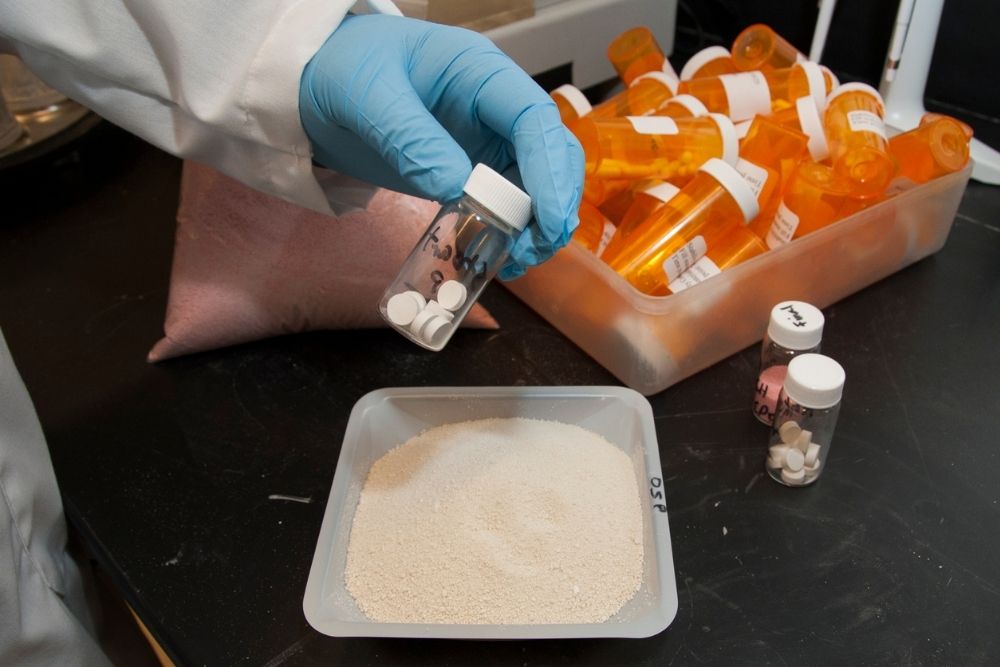
President Trump has announced that the imported generic drugs will face zero tariffs for two years starting August 1 before a hundred percent levy takes effect in August 2028 and rises to two hundred percent a year later, the phased escalation he described as a penalty for the companies failing to build the American plants within the grace period, the reshoring ultimatum extended to the medicines that fill nearly all American prescriptions.
The structure, the free runway into the punitive cliff, applies to the generics the pharmaceutical tariff architecture had exempted, completing the coverage the April Section 232 regime began with the hundred percent patented-drug levies and the most-favored-nation pricing deals the dozen-plus major drugmakers struck for their three-year exemptions.
China’s coal-to-chemicals push shows security trumping climate
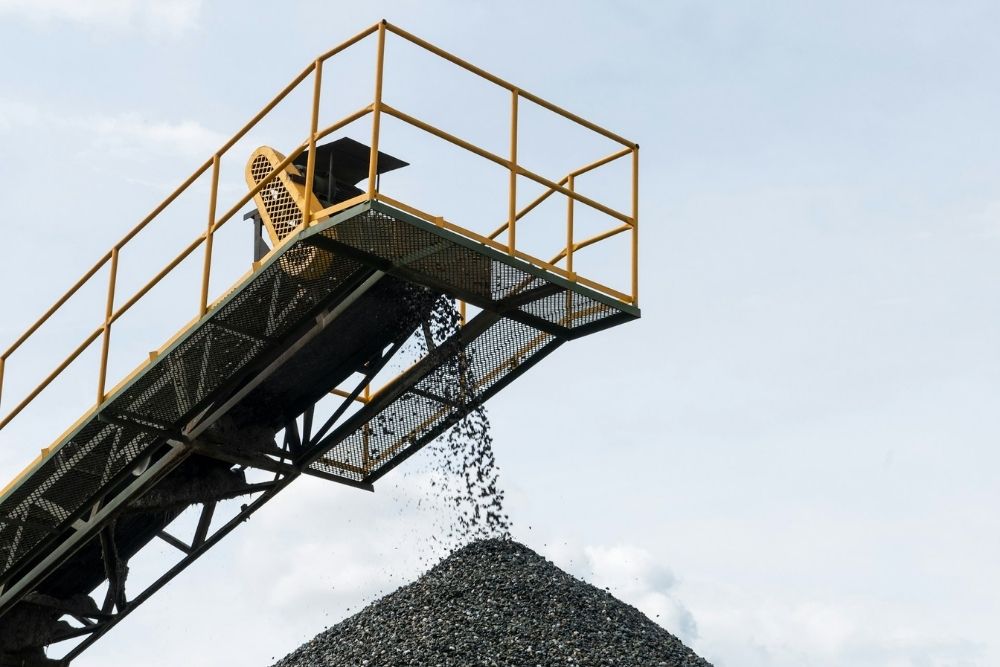
While Europe spent the week fine-tuning the price of carbon, China’s biggest coal region announced plans to manufacture more of it. Inner Mongolia intends to build the country’s largest base for converting coal into oil, gas and chemicals, a project framed explicitly as a response to import dependence in wartime.
The announcement, delivered by the region’s second-ranked official Huang Zhiqiang with a promise to scale up coal-to-oil, coal-to-gas and coal-to-chemicals capacity in the name of self-sufficiency, is short on detail but unambiguous in direction. Four months of war in the Gulf and a strangled Strait of Hormuz have done what no five-year plan quite managed: they have made turning coal into petroleum products a strategic priority rather than a niche experiment.
Red Sea tensions present complex dynamics for global oil markets and Russia-Saudi alliance
The recent disruptions in the Red Sea, particularly the attacks by Houthi militants prompting rerouting of shipping traffic, are beginning to have complex implications for global oil markets, potentially affecting the enduring alliance between Russia and Saudi Arabia. Major logistics companies…