
Saudi Aramco intensifying efforts to expand into China downstream oil operations
- August 23, 2023
- Posted by: Quatro Strategies
- Categories: China, Middle East, Oil & Gas
Saudi Aramco, the world’s largest oil company, is intensifying its efforts to expand its presence in China’s downstream oil sector, targeting the robust recovery in oil product demand in the country. Mohammed Al Qahtani, the company’s Downstream President, emphasized the strategic importance of China to Aramco’s business growth, not only in Asia but worldwide. Al Qahtani stressed that Aramco aims to remain a dependable source of long-term oil supply for China.
China’s oil demand has been a driving force in the global oil market, with many analysts predicting that a substantial portion of this year’s oil demand growth could originate from China alone. The International Energy Agency (IEA) and other industry forecasters estimate that around 70% of the global oil demand increase in 2023 could come from China.
Saudi Aramco has been actively expanding its downstream business in China in recent times. The company recently completed the acquisition of a 10% stake in Rongsheng Petrochemical Co Ltd for $3.4 billion. This move not only deepens Aramco’s foothold in China’s petrochemical sector but also aligns with the company’s strategy to secure a larger share of China’s oil market.
Earlier in the year, Saudi Aramco announced significant refinery and petrochemical deals in China. One of these deals involves a joint venture with Chinese partners to construct a $10-billion refining and petrochemical complex within the next three years. This venture will not only help Aramco gain a stronger presence in China’s downstream market but also provide an additional export outlet for Saudi crude oil in China.
Moreover, as part of its expanding downstream strategy, Aramco completed its acquisition of a 10% interest in Rongsheng Petrochemical, a move that solidifies the company’s presence in the Chinese downstream sector. Under a long-term sales agreement, Aramco will also supply 480,000 barrels per day of Arabian crude oil to Zhejiang Petroleum and Chemical Co. Ltd (ZPC), an affiliate of Rongsheng Petrochemical.
Overall, Aramco’s increased focus on China’s downstream market reflects its anticipation of sustained growth in oil demand from the country and its intention to secure a prominent position within China’s evolving energy landscape.
Interested in learning more?
Sign up for Top Insights Today

Top Insights Today delivers the latest insights straight to your inbox.
You will get daily industry insights on
Oil & Gas, Rare Earths & Commodities, Mining & Metals, EVs & Battery Technology, ESG & Renewable Energy, AI & Semiconductors, Aerospace & Defense, Sanctions & Regulation, Business & Politics.
Read more insights
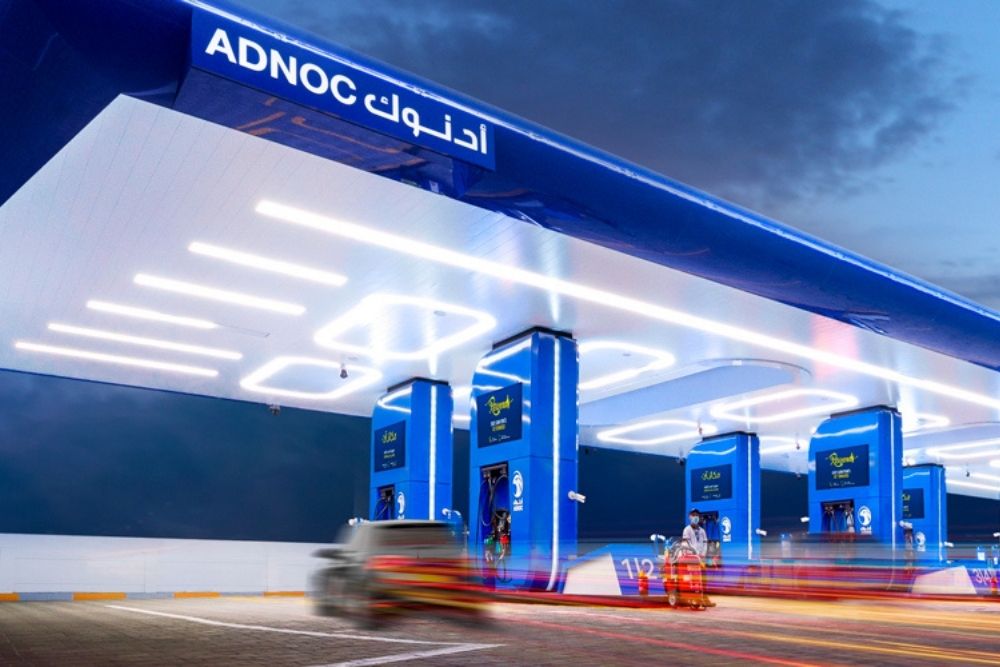
ADNOC invests $650 million in Mozambique gas project amid global LNG demand
Abu Dhabi National Oil Company (ADNOC) has acquired Galp’s 10% stake in the Area 4 concession of Mozambique’s Rovuma basin natural gas project. This move marks ADNOC’s fourth international venture into the gas sector. The acquisition is part of ADNOC’s broader strategy to expand its natural gas and LNG capacities…
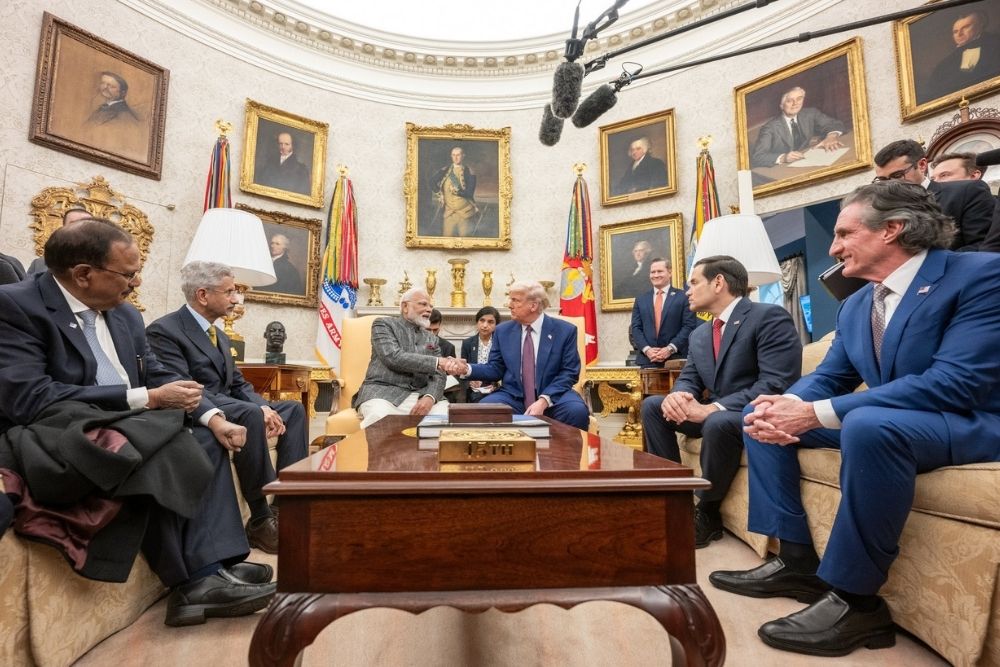
U.S.-India trade framework ties tariffs to Russia oil compliance
The interim U.S.-India trade framework released Friday is best read as a strategic bargain dressed as a tariff deal: Washington is trading improved market access and a lower headline U.S. tariff rate for Indian goods for two things it values more than incremental commerce: energy realignment away from Russia and a tighter alignment with U.S. preferences on standards, sensitive technology controls, and China-related “non-market” concerns.
The agreement is a framework rather than a finished treaty, but it is detailed enough to show the direction of travel: India lowers barriers across a wide swath of U.S. industrial and selected farm inputs, the United States keeps a still-material 18% tariff on most Indian imports, and both sides tie the relationship to supply-chain restructuring and economic security.

Progress elusive in EU-China negotiations on EV tariff resolution
Negotiations between the European Union and China to establish a comprehensive agreement replacing tariffs on electric vehicles (EVs) have made limited progress in recent weeks. While both sides acknowledged some headway during talks in Beijing earlier this month, significant differences remain unresolved, and there…