
Shell intends to sell German solar storage firm sonnen
- September 8, 2023
- Posted by: Quatro Strategies
- Categories: Business & Politics, ESG & Renewable Energy, Europe
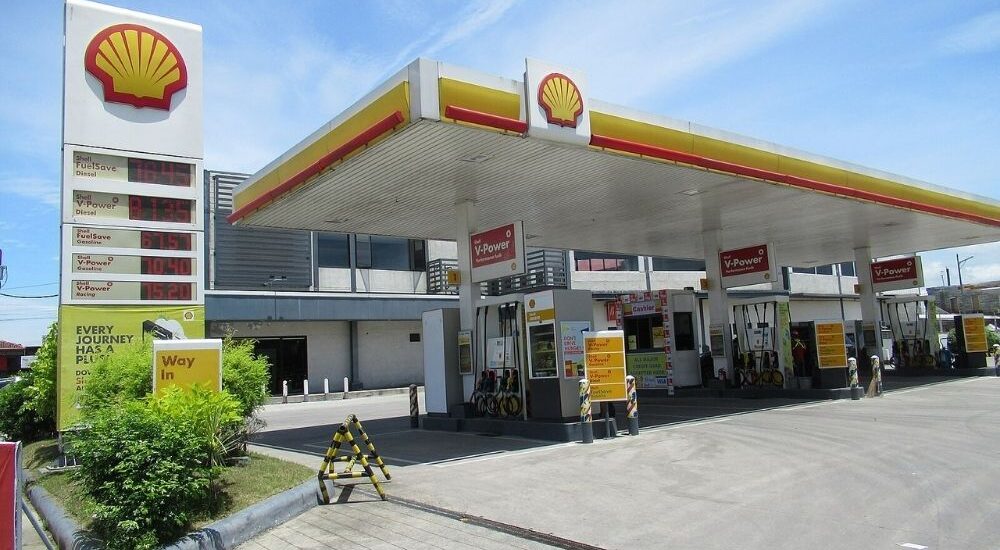
Shell is reportedly considering the sale of sonnen, a German solar storage manufacturer that it acquired around four years ago for roughly €500 million. This potential divestment comes as Shell, like many other energy companies, faces challenges due to shrinking retail profit margins amid rising wholesale energy prices following supply disruptions.
Sources familiar with the matter suggest that sonnen could be valued at €1.35 billion to €1.8 billion, which is three to four times its expected 2023 sales of €450 million. However, neither Shell nor sonnen has officially confirmed these reports.
Sonnen specializes in providing storage batteries for rooftop solar systems. Last month, the company celebrated connecting 25,000 homes to the grid, accumulating a capacity of 250 megawatt-hours (MWh). While 250 MWh represents a relatively small portion of total power demand in Western countries, it positions sonnen as a notable player in the European electricity storage sector.
While sonnen has refrained from commenting on these reports, the company emphasizes its ongoing global expansion strategy in the growing energy storage market.
Interested in learning more?
Sign up for Top Insights Today

Top Insights Today delivers the latest insights straight to your inbox.
You will get daily industry insights on
Oil & Gas, Rare Earths & Commodities, Mining & Metals, EVs & Battery Technology, ESG & Renewable Energy, AI & Semiconductors, Aerospace & Defense, Sanctions & Regulation, Business & Politics.
Read more insights

UAE deepens Red Sea footprint with 50-year Suez Canal logistics pact
Egypt’s Suez Canal Economic Zone has signed a 50-year concession agreement with the United Arab Emirates’ Abu Dhabi Ports Group (AD Ports) to develop a 20-square-kilometer logistics and industrial hub east of Port Said. The agreement marks a significant step in deepening Egypt-UAE economic ties and expanding Emirati investment in Africa’s key maritime corridors.
AD Ports will invest $120 million during the first three years of development for feasibility studies and infrastructure over an initial 2.8-square-kilometer area. This phase will include construction of a 1.5-kilometer quay, with plans to build a multipurpose cargo terminal, according to Egypt’s cabinet. The overall zone is expected to support manufacturing, logistics, and export operations aimed at European, African, and Middle Eastern markets.
China’s aluminum producers pivot to EVs and aerospace
China’s aluminum industry, long sustained by the country’s breakneck property boom, is now struggling to reinvent itself amid collapsing construction demand, razor-thin margins, and the mounting pressure of President Xi Jinping’s campaign to curb “involution”, the destructive cycle of overcapacity and price wars that has plagued much of Chinese manufacturing.
Guangdong province, once the epicenter of China’s light manufacturing miracle, is emblematic of this struggle. For decades, aluminum producers thrived on demand for window frames, railings, and furniture. But with real estate in a structural downturn, demand for these mid-to-low grade products has evaporated, leaving hundreds of small and mid-sized firms saddled with excess capacity.

Saudi Aramco intensifying efforts to expand into China downstream oil operations
Saudi Aramco, the world’s largest oil company, is intensifying its efforts to expand its presence in China’s downstream oil sector, targeting the robust recovery in oil product demand in the country. Mohammed Al Qahtani, the company’s Downstream President, emphasized the strategic importance of China to Aramco’s business growth, not only in Asia but worldwide. Al Qahtani stressed that Aramco aims to remain a dependable source of long-term oil supply for China.