
Shell intends to sell German solar storage firm sonnen
- September 8, 2023
- Posted by: Quatro Strategies
- Categories: Business & Politics, ESG & Renewable Energy, Europe
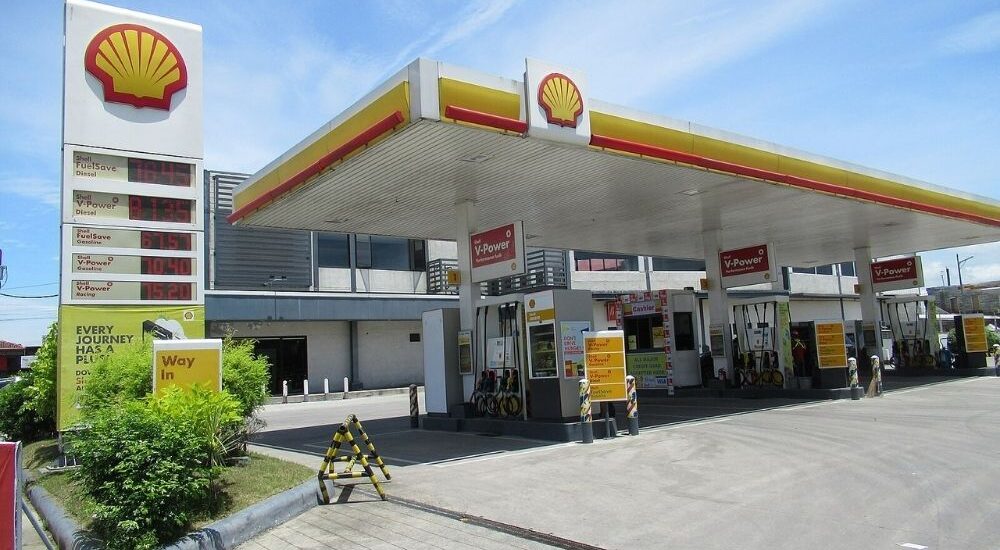
Shell is reportedly considering the sale of sonnen, a German solar storage manufacturer that it acquired around four years ago for roughly €500 million. This potential divestment comes as Shell, like many other energy companies, faces challenges due to shrinking retail profit margins amid rising wholesale energy prices following supply disruptions.
Sources familiar with the matter suggest that sonnen could be valued at €1.35 billion to €1.8 billion, which is three to four times its expected 2023 sales of €450 million. However, neither Shell nor sonnen has officially confirmed these reports.
Sonnen specializes in providing storage batteries for rooftop solar systems. Last month, the company celebrated connecting 25,000 homes to the grid, accumulating a capacity of 250 megawatt-hours (MWh). While 250 MWh represents a relatively small portion of total power demand in Western countries, it positions sonnen as a notable player in the European electricity storage sector.
While sonnen has refrained from commenting on these reports, the company emphasizes its ongoing global expansion strategy in the growing energy storage market.
Interested in learning more?
Sign up for Top Insights Today

Top Insights Today delivers the latest insights straight to your inbox.
You will get daily industry insights on
Oil & Gas, Rare Earths & Commodities, Mining & Metals, EVs & Battery Technology, ESG & Renewable Energy, AI & Semiconductors, Aerospace & Defense, Sanctions & Regulation, Business & Politics.
Read more insights
New Jersey approves two offshore wind projects, aiming for 100% clean energy by 2035
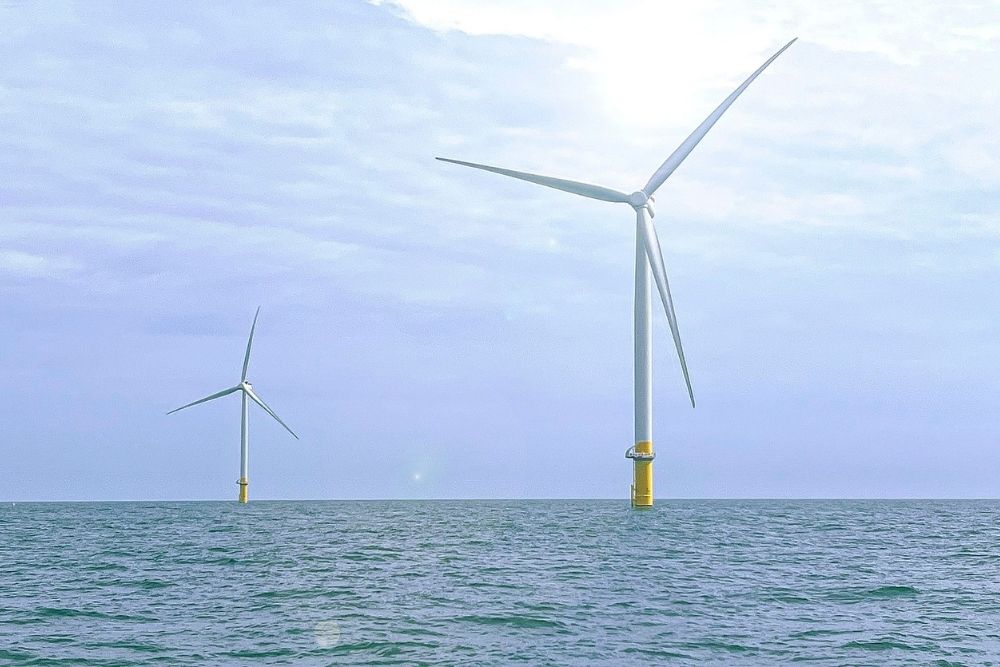
New Jersey’s Board of Public Utilities (BPU) has given the green light to two offshore wind power projects, Attentive Energy Two and Leading Light, with a combined capacity of 3,742 megawatts (MW). The decision moves New Jersey closer to Governor Phil Murphy’s goal of achieving 100% clean…
U.S. LNG exports near record high as nearly 90% of January cargoes head to Europe
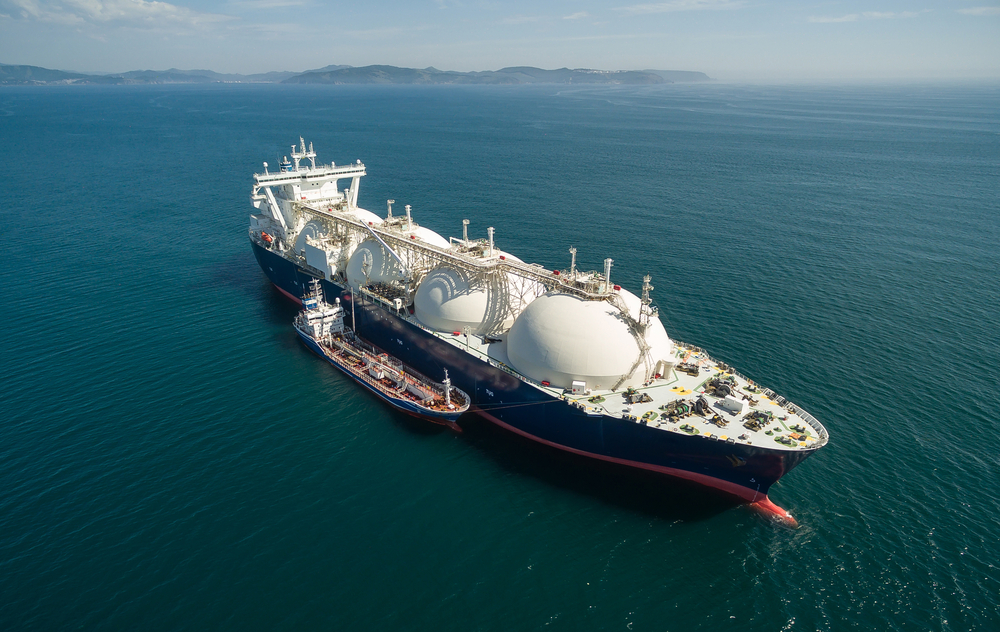
Exports of liquefied natural gas (LNG) from the United States to Europe soared in January, driven by increased energy demand due to cold weather and a spike in gas prices, according to preliminary data. An overwhelming majority of U.S. LNG shipments—nearly 90%—were routed to Europe, while total exports for the month stood at 8.46 million metric tonnes (MT)…
Italy’s energy security worries pull policy back toward fossil fuels
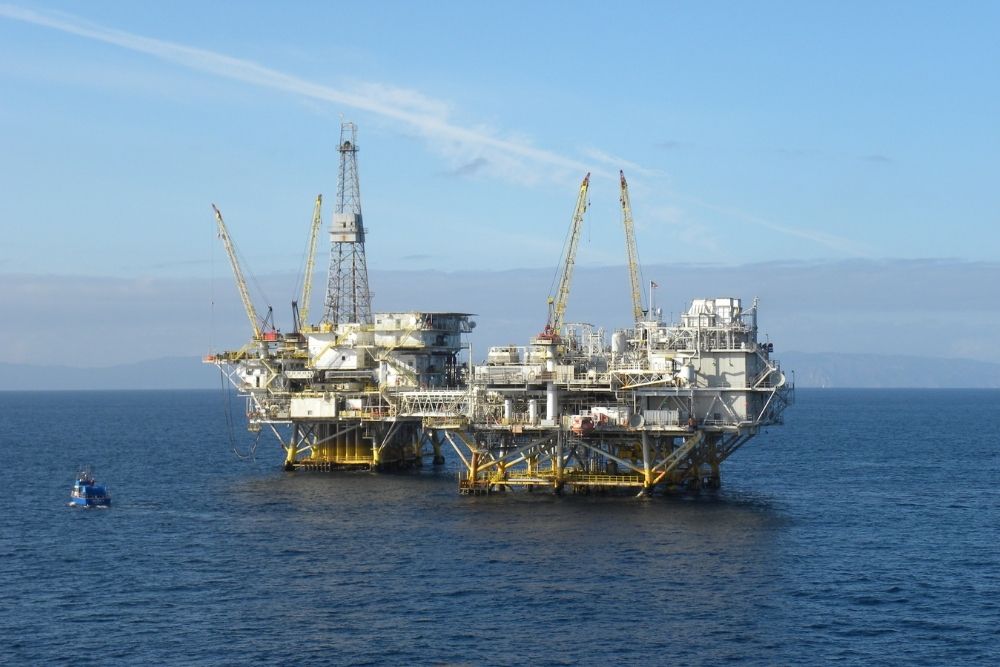
Italy’s decision to speed up domestic oil and gas production reflects the return of hard energy-security politics in Europe. Prime Minister Giorgia Meloni’s government is trying to reduce dependence on imported fossil fuels at a time when the U.S.-Iran war has disrupted flows through the Strait of Hormuz, raised energy prices and exposed the vulnerability of import-dependent economies.
The policy is being presented as common sense: if Italy has domestic resources, the government argues, it should not rely entirely on foreign suppliers. The measures adopted by Rome are focused on permitting and administrative delays. The government plans to appoint special commissioners when local authorities fail to decide on drilling-license applications within required deadlines.