
Shell looking to invest in Indian renewable assets
- September 22, 2023
- Posted by: Quatro Strategies
- Categories: ESG & Renewable Energy, India

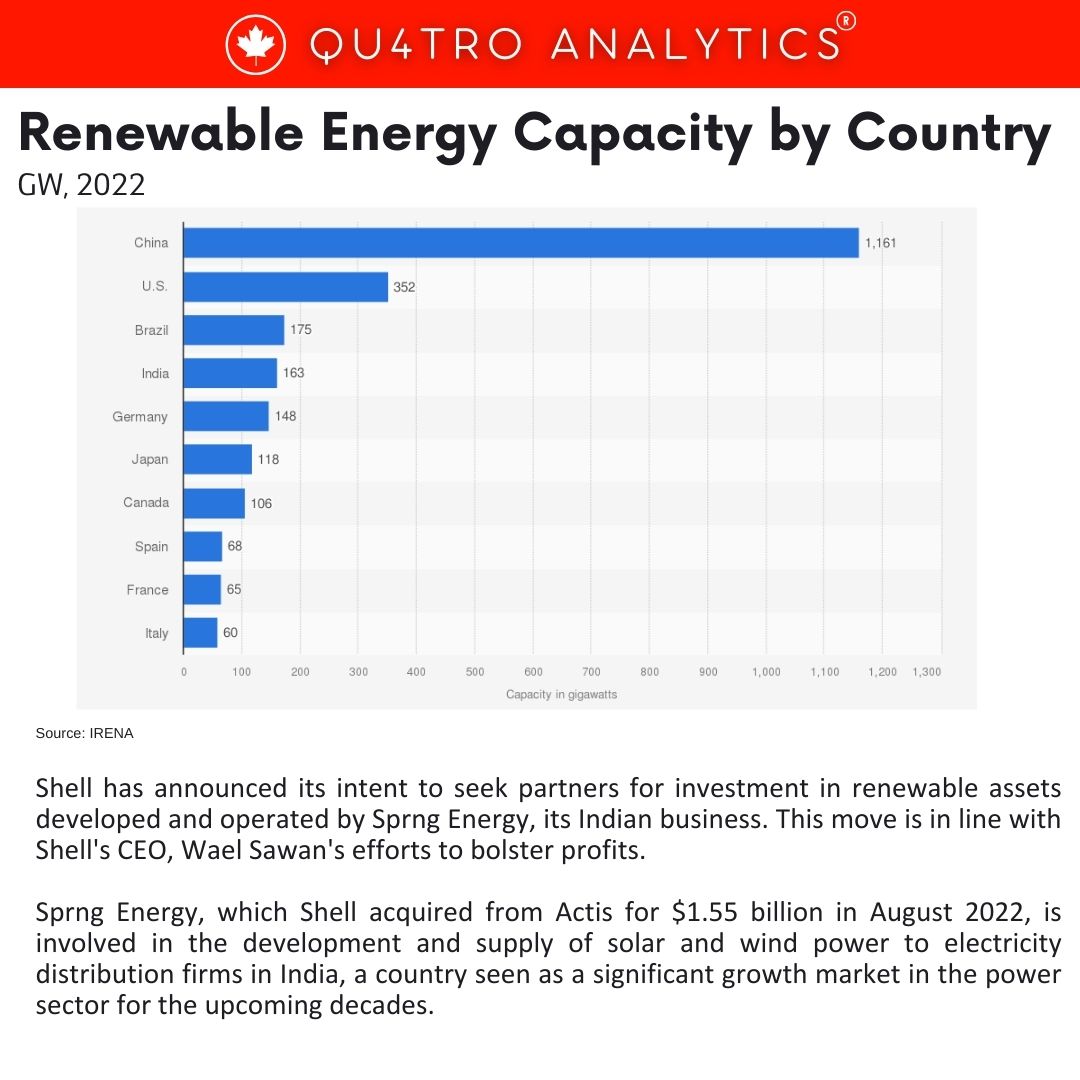
Shell has announced its intent to seek partners for investment in renewable assets developed and operated by Sprng Energy, its Indian business. This move is in line with Shell’s CEO, Wael Sawan’s efforts to bolster profits. Sprng Energy, which Shell acquired from Actis for $1.55 billion in August 2022, is involved in the development and supply of solar and wind power to electricity distribution firms in India, a country seen as a significant growth market in the power sector for the upcoming decades.
Shell expressed its ongoing commitment to developing new projects within the Sprng Energy group while actively exploring partnership opportunities with investors eager to invest in de-risked operational assets. The objective is to have Shell retain a stake in these assets. By focusing on capital discipline, Shell aims to accelerate the growth of its renewables portfolio.
 Sawan’s strategy involves enhancing Shell’s performance and returns, which includes a strengthened emphasis on oil and gas operations and a reduction in certain investments in renewables. Recent actions reflecting this strategy include the sale of Shell’s UK power retail business, putting two refineries in Singapore and Germany under strategic review, and exiting several low-carbon projects.
However, this strategy has faced criticism from climate-focused investors, and there has been notable personnel change within Shell’s renewable generation division, with Thomas Brostrom, the head of renewable generation, leaving the company in June.
By QUATRO Strategies International Inc.
QUATRO Strategies International Inc. is the leading business insights and corporate strategy company based in Toronto, Ontario. Through our unique services, we counsel our clients on their key strategic issues, leveraging our deep industry expertise and using analytical rigor to help them make informed decisions to establish a competitive edge in the marketplace.
Interested in learning more?
Sign up for Top Insights Today

Top Insights Today delivers the latest insights straight to your inbox.
You will get daily industry insights on
Oil & Gas, Rare Earths & Commodities, Mining & Metals, EVs & Battery Technology, ESG & Renewable Energy, AI & Semiconductors, Aerospace & Defense, Sanctions & Regulation, Business & Politics.
Read more insights
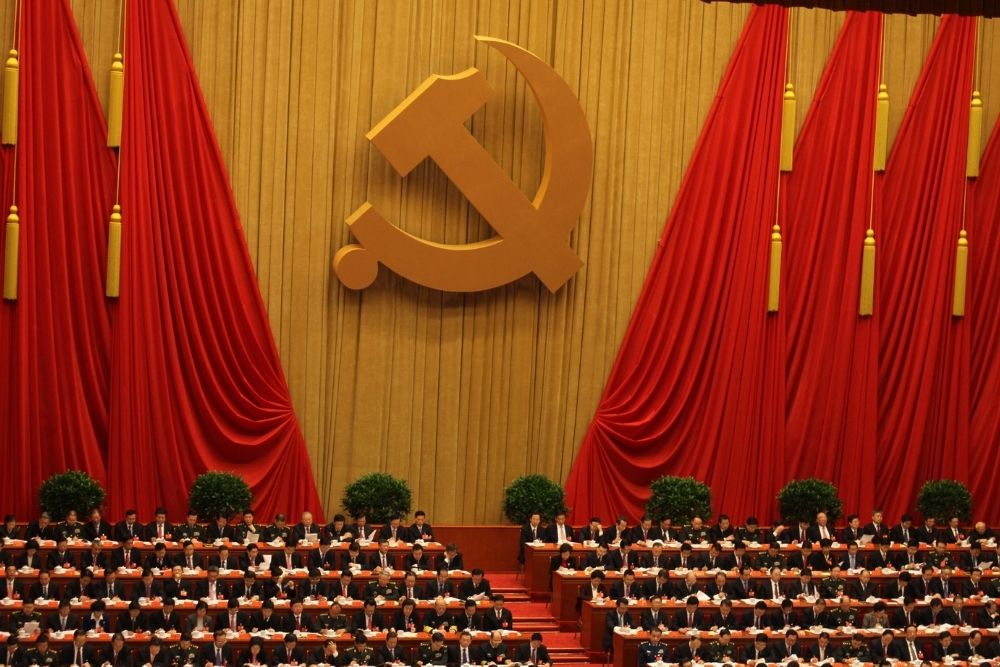
China’s economic challenges take center stage at annual policy summit
China’s annual congress convenes this year amid a challenging economic landscape marked by industrial overcapacity, a sluggish property market, and escalating trade tensions with the United States. As the world’s largest consumer of raw materials, the decisions made during this gathering will be critical for global commodities markets.
Additionally, this session represents Beijing’s last opportunity to meet the objectives set out in its current five-year plan, which began in 2021, and progress toward key targets on energy and emissions remains mixed.

IMEC initiative gains momentum as France takes lead in bridging India-Europe gap
France is gearing up for an inaugural meeting to discuss a proposed infrastructure connection linking India to Europe via the Middle East, aiming to counter a similar endeavor initiated by China. President Emmanuel Macron has appointed Gerard Mestrallet, the former CEO of French energy company…
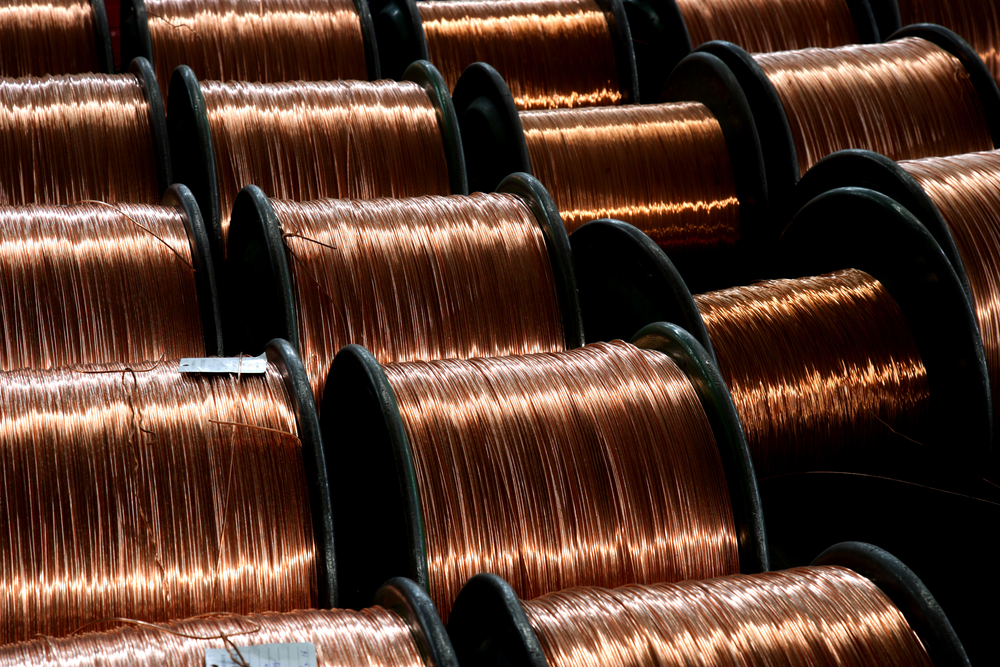
Chinese entities explore participation in $1.4 billion copper smelting project in Chile
Chinese entities are actively exploring the possibility of participating in a major copper smelting project in Chile, signaling a strategic move to secure supplies of copper, a crucial metal in the global transition towards clean energy and electric vehicles. The project in question involves a…