
South Africa allows TotalEnergies to drill for offshore oil and gas
- October 3, 2023
- Posted by: Quatro Strategies
- Categories: Africa, Oil & Gas
South Africa’s Ministry of Environment has given the green light to TotalEnergies for offshore drilling activities aimed at exploring gas and oil in Block 5/6/7 off the Cape coast. This decision follows the rejection of an appeal lodged by numerous individuals and lobby groups attempting to contest the authorization. The appeal aimed to halt TotalEnergies from drilling based on various concerns, encompassing issues related to marine noise, potential oil spills, climate change impacts, and insufficient public consultation.
However, Minister Barbara Creecy, functioning as the appellate authority, dismissed these concerns in a comprehensive 144-page ruling. She emphasized that assessments have been conducted to evaluate and mitigate the impacts of noise and light, ensuring minimal adverse effects on the environment.
TotalEnergies, having previously discovered significant gas fields off the South African coast in 2019 and 2020, is now planning to drill up to five exploration wells in the designated block. The drilling operations are projected to commence early in the upcoming year.
Despite the approval, some groups, such as the Climate Justice Charter Movement, have expressed disappointment with the decision. They have vowed to challenge the minister’s ruling, asserting that it disregards climate science and raises rational concerns about the potential environmental impacts of the drilling venture.
In the consortium involved in the project, TotalEnergies holds a 40% stake, Shell has an equivalent 40% stake, and the national oil company PetroSA retains the remaining 20%.
The proposed drilling area covers about 10,000 square km, situated approximately between Cape Town and Cape Agulhas, with varying distances from the coast, ranging from 60 km to 170 km, and water depths ranging from 700 meters to 3,200 meters. Plans are well-advanced for the first well to be drilled, scheduled for early next year.
QUATRO Strategies International Inc. is the leading business insights and corporate strategy company based in Toronto, Ontario. Through our unique services, we counsel our clients on their key strategic issues, leveraging our deep industry expertise and using analytical rigor to help them make informed decisions to establish a competitive edge in the marketplace.
Interested in learning more?
Sign up for Top Insights Today

Top Insights Today delivers the latest insights straight to your inbox.
You will get daily industry insights on
Oil & Gas, Rare Earths & Commodities, Mining & Metals, EVs & Battery Technology, ESG & Renewable Energy, AI & Semiconductors, Aerospace & Defense, Sanctions & Regulation, Business & Politics.
Read more insights
Rheinmetall’s mega ammunition plant marks Europe’s defense reindustrialization
Rheinmetall’s inauguration of its new ammunition plant in northern Germany marks a decisive moment in Europe’s attempt to build a self-sufficient defense industrial base amid Russia’s war in Ukraine, Donald Trump’s pressure on NATO to spend more, and deepening concerns over Europe’s reliance on U.S. defense supply lines.
At full capacity, the plant will be the largest in Europe, symbolizing both Germany’s belated but accelerating defense industrial awakening and the continent’s shift toward long-term rearmament. The €500 million facility is designed to scale rapidly: production will rise from 25,000 artillery rounds in 2025 to 350,000 by 2027, a dramatic increase that underscores the urgency of replenishing depleted stocks after nearly three years of transfers to Ukraine.

India floats a $15B fix of buying more U.S. oil to cool tariffs, calm tensions
New Delhi is dangling a simple, hard-currency answer to a political problem: buy more American oil. India’s trade secretary says current refinery setups could absorb another $14–$15 billion of U.S. crude on top of roughly $12–$13 billion this fiscal year, and he framed that capacity as part of a broader push to narrow India’s surplus with the United States and ease tariff tensions.
The timing is deliberate. Washington has hit India with punitive 50% duties and has bristled at India’s intake of discounted Russian barrels; New Delhi is signaling it can rebalance flows without reengineering its energy system.
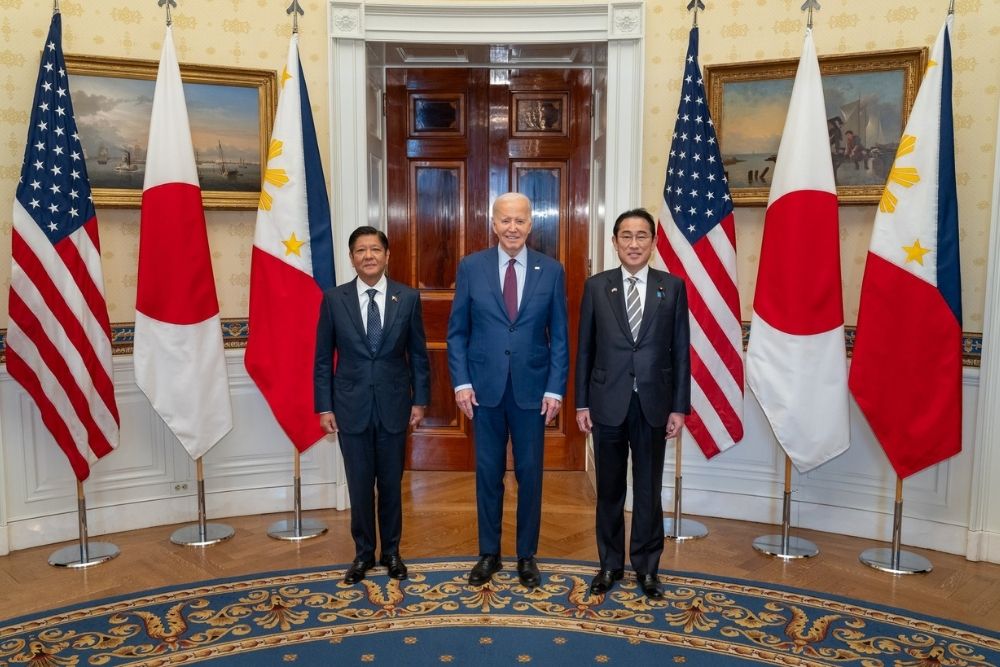
Japan and Philippines sign defense pact amid rising tensions with China
Japan and the Philippines signed a Reciprocal Access Agreement on Monday, facilitating mutual military visits and strengthening defense ties amid ongoing tensions with China. The signing, witnessed by Philippine President Ferdinand Marcos Jr., took place during a meeting of defense and foreign ministers from both countries in Manila…