
South Korea’s Hyundai looks to sell Chongqing plant in China
- August 23, 2023
- Posted by: Quatro Strategies
- Categories: Asia Pacific, Business & Politics, China, EVs & Battery Technology
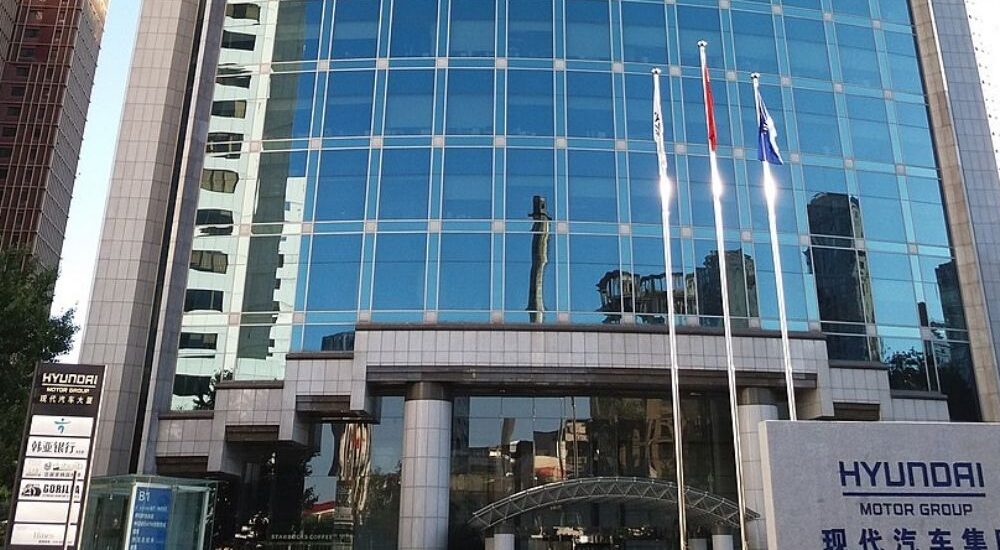
Beijing Hyundai Motor is putting its Chongqing plant up for sale at a starting price of 3.68 billion yuan ($505 million), as part of its strategic adjustments in China. The move comes in response to intense price competition and slowing demand in the Chinese auto market.
The Chongqing plant, which is a joint venture with Beijing Automotive Group Co, commenced production in 2017 with an annual capacity of 300,000 units. Beijing Hyundai is offering for sale the land use rights, equipment, and other facilities associated with the plant. The announcement of the sale was made through a disclosure on the China Beijing Equity Exchange.
Hyundai Motor’s spokesperson stated that the company is continuously working on enhancing its sales performance in China. The sale of the Chongqing plant is part of Hyundai’s broader strategy to optimize its operations and improve profitability in the country. The spokesperson mentioned that as of now, no specific buyers or schedules have been decided upon.
The decision to sell the Chongqing plant follows Hyundai’s June announcement about restructuring its China business with a focus on profitability. At its peak, Hyundai had five plants in China and has since been streamlining its operations, including selling one of its plants in 2021. The company plans to operate only two plants, which will be optimized for production and exports to emerging markets.
Hyundai and its affiliate Kia have been facing challenges in the Chinese market as their vehicle sales have declined over the past few years. This decline is partly due to a shift towards electric vehicles in China’s auto market. Notably, Tesla has been the only foreign automaker to increase its market share in China in recent times.
China’s passenger vehicle sales have been contracting, with July marking the second consecutive month of decline. A combination of factors, including ongoing price competition and fragmented government incentives, has failed to stimulate consumer demand in the Chinese auto market.
Interested in learning more?
Sign up for Top Insights Today

Top Insights Today delivers the latest insights straight to your inbox.
You will get daily industry insights on
Oil & Gas, Rare Earths & Commodities, Mining & Metals, EVs & Battery Technology, ESG & Renewable Energy, AI & Semiconductors, Aerospace & Defense, Sanctions & Regulation, Business & Politics.
Read more insights

Market incentives drive anticipated surge in demand for carbon removal credits
The demand for credits related to the engineered removal of carbon dioxide from the atmosphere is anticipated to surge, driven by market-friendly incentives attracting buyers from various sectors such as technology, finance, chemicals, and aviation. Many scientists consider extracting billions of…
U.S. moves to throttle China’s AI rise with sweeping tech restrictions
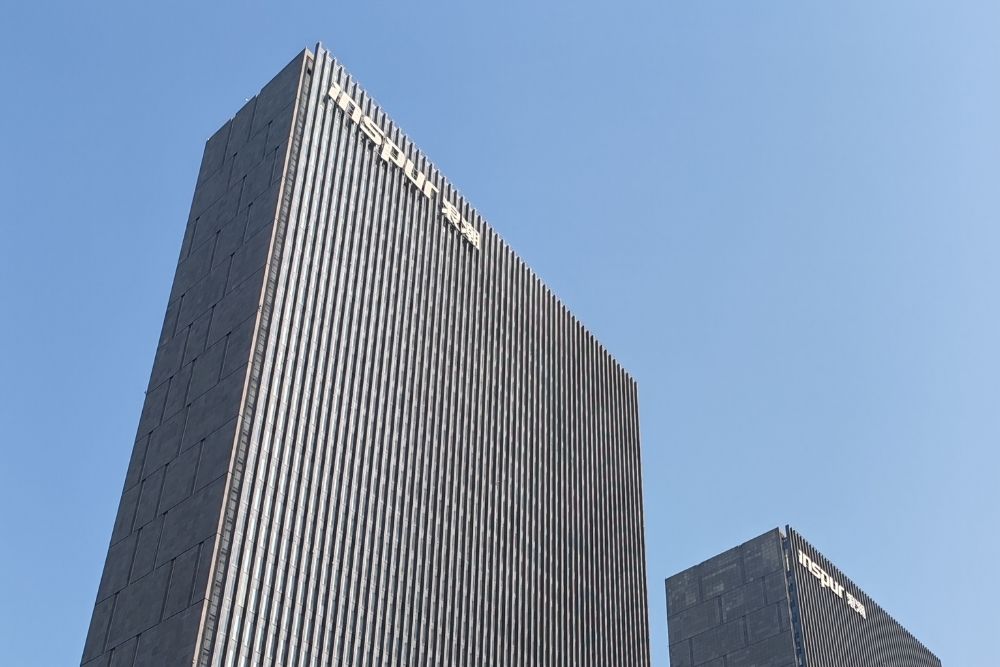
The Trump administration has taken a sharper turn than its predecessor toward restricting China’s access to American technology, targeting dozens of Chinese firms, including major buyers of advanced U.S. chips. On Tuesday, the Commerce Department added nearly 80 companies—most of them Chinese—to its entity list, requiring U.S. businesses to obtain government approval before selling them sensitive technologies. The move underscores the administration’s determination to tighten export controls on critical technologies, especially those tied to artificial intelligence and military applications.
Among the most prominent targets are subsidiaries of Inspur Group, China’s largest server manufacturer and a key customer for U.S. chipmakers like Nvidia, Intel, and AMD. The new sanctions also ensnare affiliates of Sugon, China’s largest supercomputer producer. These firms are now effectively blocked from sourcing U.S. tech, including Nvidia’s cutting-edge AI chips, unless specific licenses are granted.
LME explores introduction of nickel sulphate contract for EV batteries
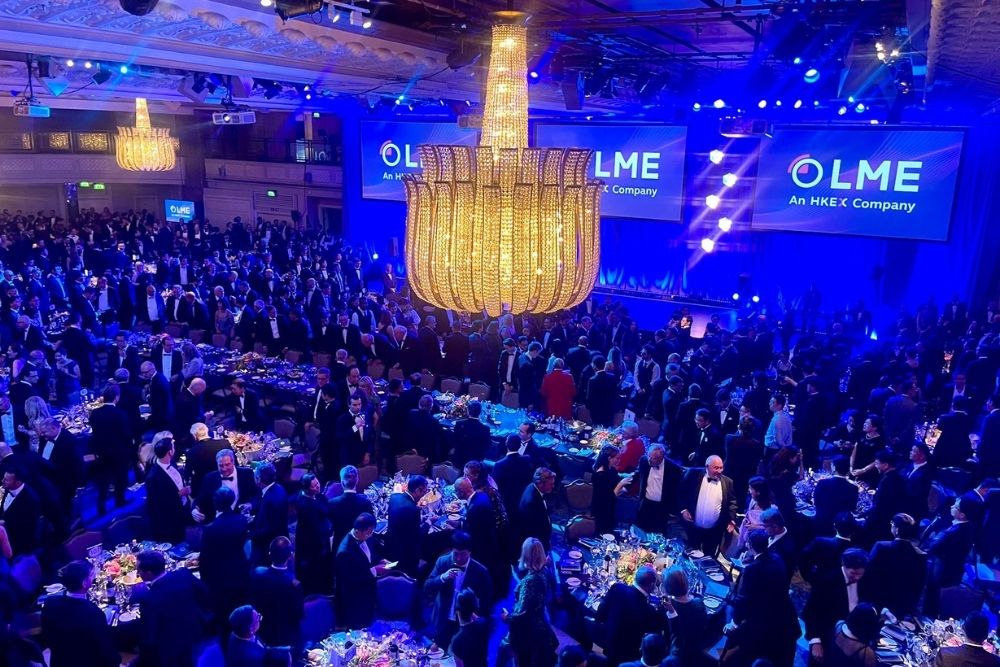
The London Metal Exchange (LME) is reportedly considering the introduction of a nickel sulphate contract in response to the growing demand for this material in electric vehicle (EV) batteries. LME said that it is actively studying the feasibility of a nickel sulphate contract…