
U.S. approves potential $975 million HIMARS sales to Australia
- August 19, 2023
- Posted by: Quatro Strategies
- Categories: Aerospace & Defense, Asia Pacific, United States
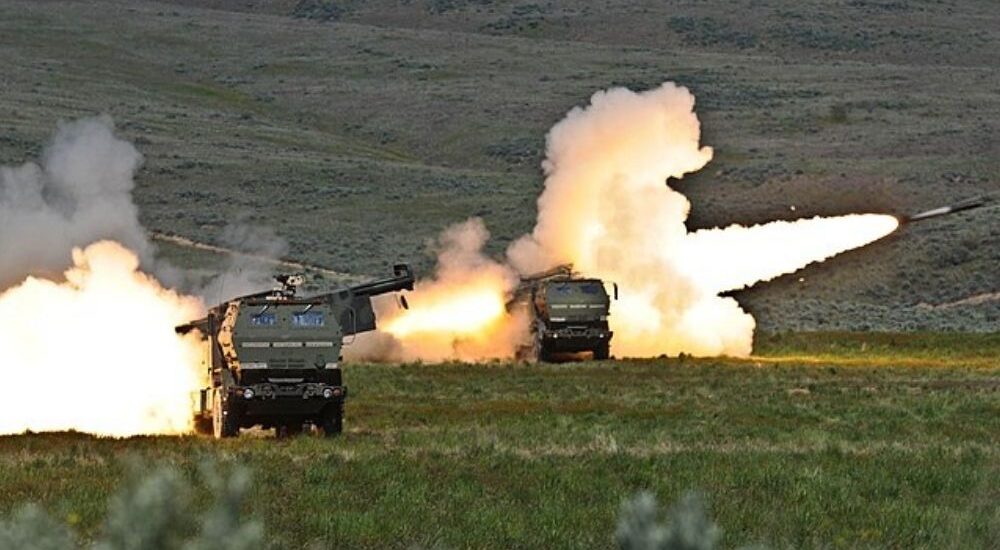
The Biden administration has revealed its intention to sell High Mobility Artillery Rocket Systems (HIMARS) to Australia in a deal valued at up to A$1.5 billion ($975 million). This move is part of the effort to strengthen the alliance between the United States and Australia and counter China’s expanding military presence in the Indo-Pacific region.
The proposed sale includes 22 M142 High Mobility Artillery Rocket Systems, 60 Guided Multiple Launch Rocket Systems, and various other munitions. However, the sale still requires approval from the US Congress and finalization of contracts.
The State Department has stated that Australia intends to use this capability to enhance its homeland defense and safeguard critical infrastructure. They also mentioned that the sale would not significantly alter the military balance in the region.
The US and Australia have been working to enhance their military cooperation, especially in response to the growing influence of China’s military capabilities. In July, both countries announced plans to increase the US military presence in Australia, which includes more frequent visits by US submarines and collaboration on guided missile production.
This move aligns with President Joe Biden’s focus on strengthening relationships with allies and addressing security challenges posed by China. The upcoming visit of Australia’s Prime Minister Anthony Albanese to the US in October is expected to further solidify these efforts.
Interested in learning more?
Sign up for Top Insights Today

Top Insights Today delivers the latest insights straight to your inbox.
You will get daily industry insights on
Oil & Gas, Rare Earths & Commodities, Mining & Metals, EVs & Battery Technology, ESG & Renewable Energy, AI & Semiconductors, Aerospace & Defense, Sanctions & Regulation, Business & Politics.
Read more insights
China expands anti-subsidy probe into EU dairy imports amid EV tariff dispute
China has decided to expand its anti-subsidy investigation into dairy imports from the European Union, broadening its focus to include additional EU subsidy programs, particularly those in Denmark, France, Italy, and the Netherlands. This follows China’s initial probe launched in August, which covered certain dairy products…

Indian steel industry urges government to curb iron ore exports amid surge in prices
Smaller steelmakers in India are facing pressure due to a surge in iron ore exports to Chinese mills, which has led to a significant increase in local prices. The rise in exports, primarily to China, has prompted calls from affected sections of the industry for restrictions on iron ore exports…
EU unveils plan to utilize frozen Russian assets to support Ukraine’s military needs
The European Union’s High Representative for Foreign Affairs and Security Policy, Josep Borrell, presented a plan on Wednesday to utilize proceeds from sanctioned Russian central bank assets to support Ukraine’s military requirements. According to Borrell, under this proposal, 90% of the windfall…