
U.S. approves potential $975 million HIMARS sales to Australia
- August 19, 2023
- Posted by: Quatro Strategies
- Categories: Aerospace & Defense, Asia Pacific, United States
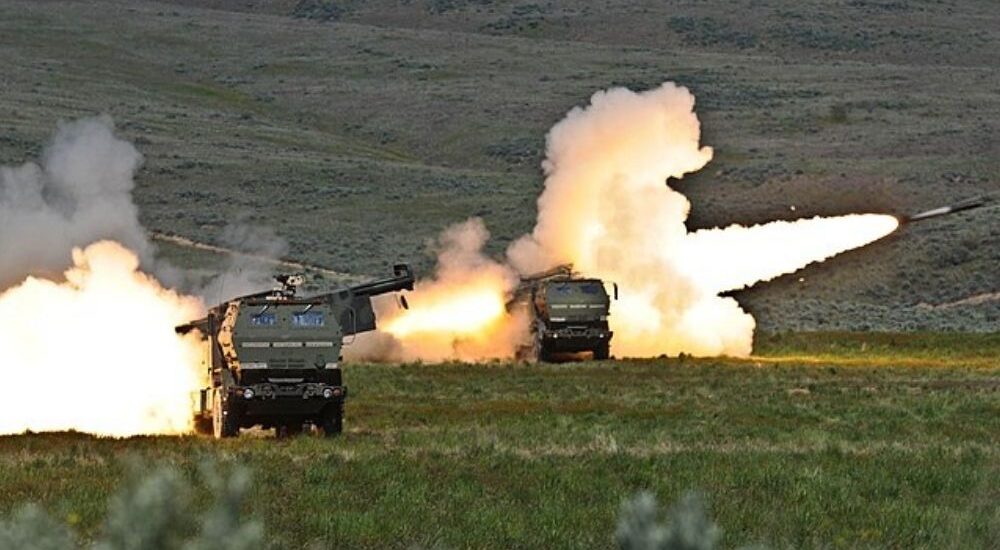
The Biden administration has revealed its intention to sell High Mobility Artillery Rocket Systems (HIMARS) to Australia in a deal valued at up to A$1.5 billion ($975 million). This move is part of the effort to strengthen the alliance between the United States and Australia and counter China’s expanding military presence in the Indo-Pacific region.
The proposed sale includes 22 M142 High Mobility Artillery Rocket Systems, 60 Guided Multiple Launch Rocket Systems, and various other munitions. However, the sale still requires approval from the US Congress and finalization of contracts.
The State Department has stated that Australia intends to use this capability to enhance its homeland defense and safeguard critical infrastructure. They also mentioned that the sale would not significantly alter the military balance in the region.
The US and Australia have been working to enhance their military cooperation, especially in response to the growing influence of China’s military capabilities. In July, both countries announced plans to increase the US military presence in Australia, which includes more frequent visits by US submarines and collaboration on guided missile production.
This move aligns with President Joe Biden’s focus on strengthening relationships with allies and addressing security challenges posed by China. The upcoming visit of Australia’s Prime Minister Anthony Albanese to the US in October is expected to further solidify these efforts.
Interested in learning more?
Sign up for Top Insights Today

Top Insights Today delivers the latest insights straight to your inbox.
You will get daily industry insights on
Oil & Gas, Rare Earths & Commodities, Mining & Metals, EVs & Battery Technology, ESG & Renewable Energy, AI & Semiconductors, Aerospace & Defense, Sanctions & Regulation, Business & Politics.
Read more insights
Muted yuan rise fuels China’s surging trade surplus with Europe
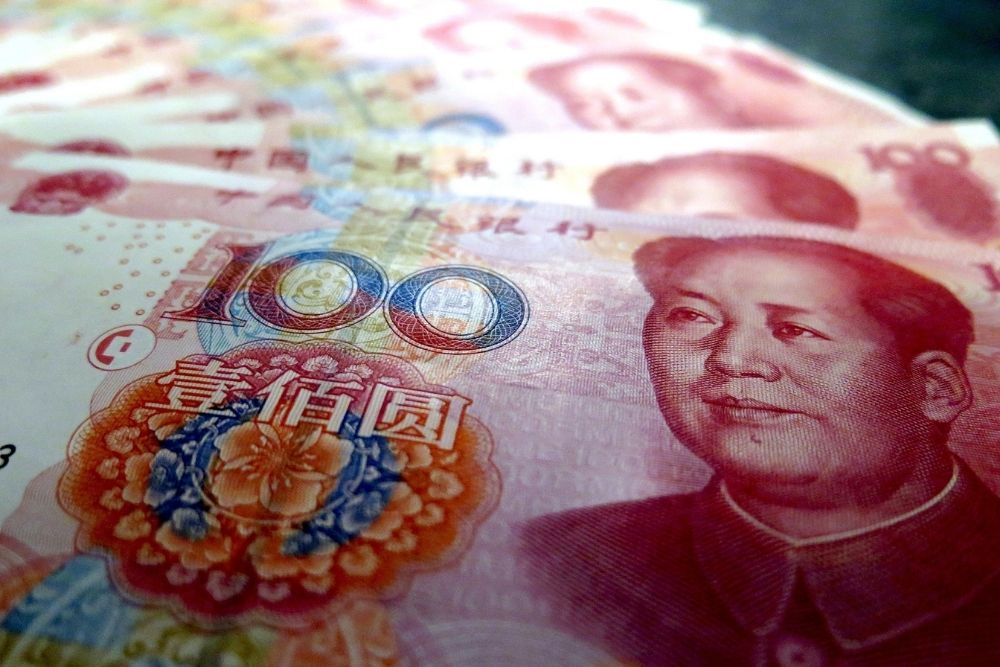
The sharp decline of the U.S. dollar this year has had ripple effects across global currency markets, but China’s yuan has stood out for its relatively muted appreciation against the greenback. While the euro has surged more than 12% and the Japanese yen has risen by over 6%, the yuan is up less than 3% against the dollar in 2025.
This asymmetry means that Beijing has effectively allowed its currency to depreciate against other major currencies, most notably the euro, against which the yuan has lost around 9% since January. For analysts, this amounts to “opportunistic devaluation.” China, they argue, has exploited the dollar’s weakness to quietly enhance its export competitiveness in Europe, at a moment when EU industries are already struggling with high energy costs, U.S. tariffs, and slowing global demand.
Chinese refiners delay projects as Gulf shock hits margins
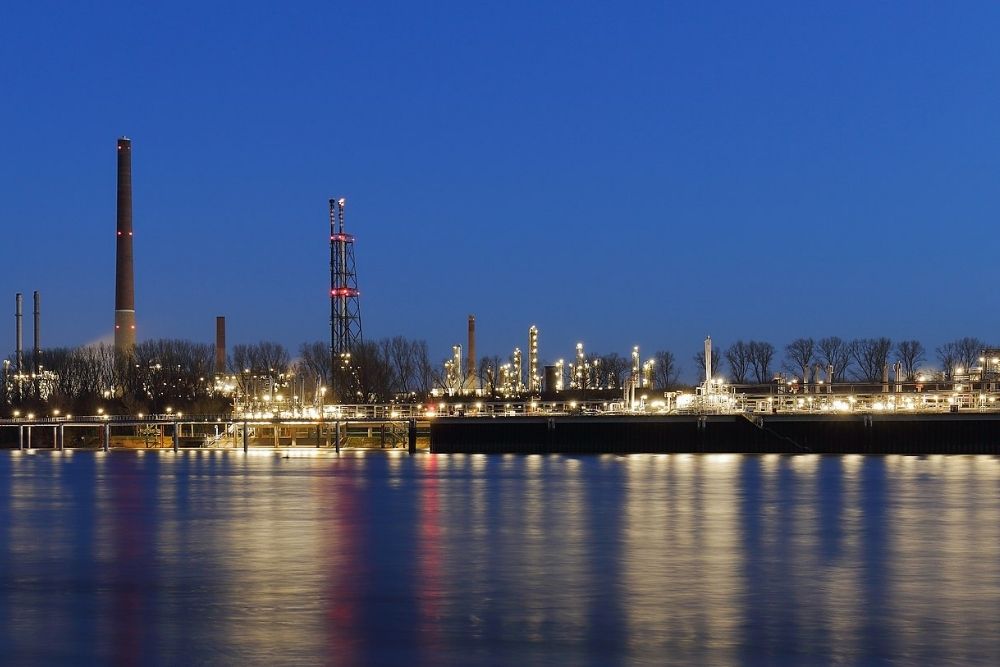
Chinese refiners have delayed two major refinery projects that were scheduled to come online this year, removing a combined 500,000 barrels per day of planned new processing capacity from the market as the Gulf conflict’s disruption of Middle Eastern crude supplies, combined with weakening domestic fuel demand, undermines the economics of bringing new refineries into operation.
The delays could constrain fresh Chinese oil demand and help cap global crude prices, adding to the broader picture of a Chinese refining sector under acute strain from the convergence of crisis-driven headwinds. The larger of the two delayed projects is the Huajin Aramco Petrochemical refinery in the northeastern city of Panjin, a 300,000 barrel per day facility that is a joint venture between Saudi Aramco, the Chinese state-owned defense conglomerate Norinco Group, and Panjin Xincheng Industrial Group.
Chevron in talks with European buyers for a 15-year LNG supply deal
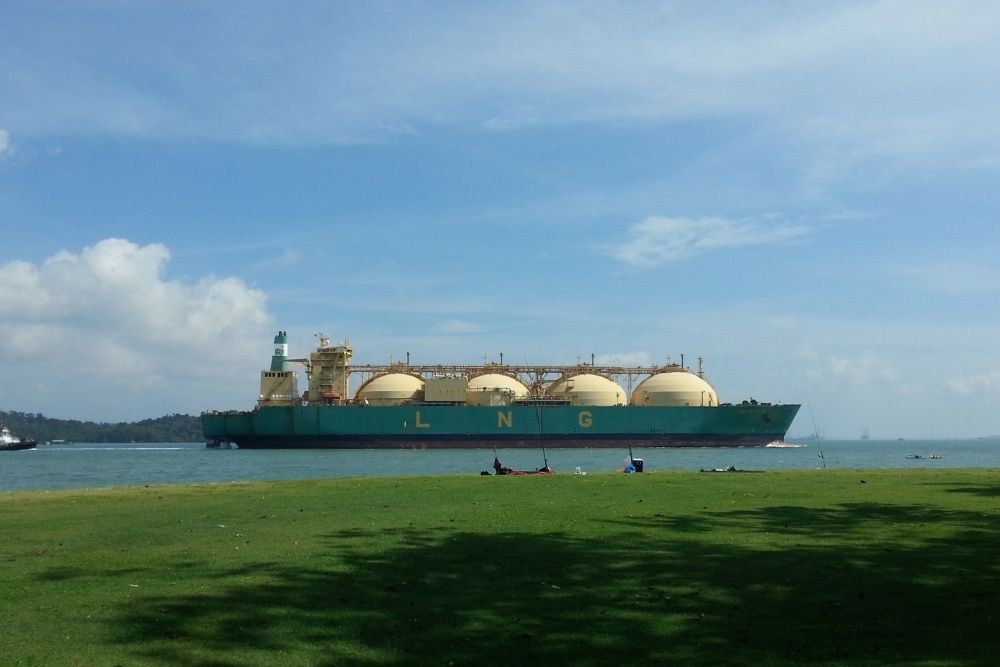
Chevron is currently engaged in negotiations to secure long-term liquefied natural gas (LNG) supply contracts for Europe, with these agreements potentially extending up to 15 years. This represents a notable shift in the LNG market, where buyers initially sought shorter-term…