
U.S., Chile sign agreement to develop energy transition partnership
- August 18, 2023
- Posted by: Quatro Strategies
- Categories: Americas, ESG & Renewable Energy, United States
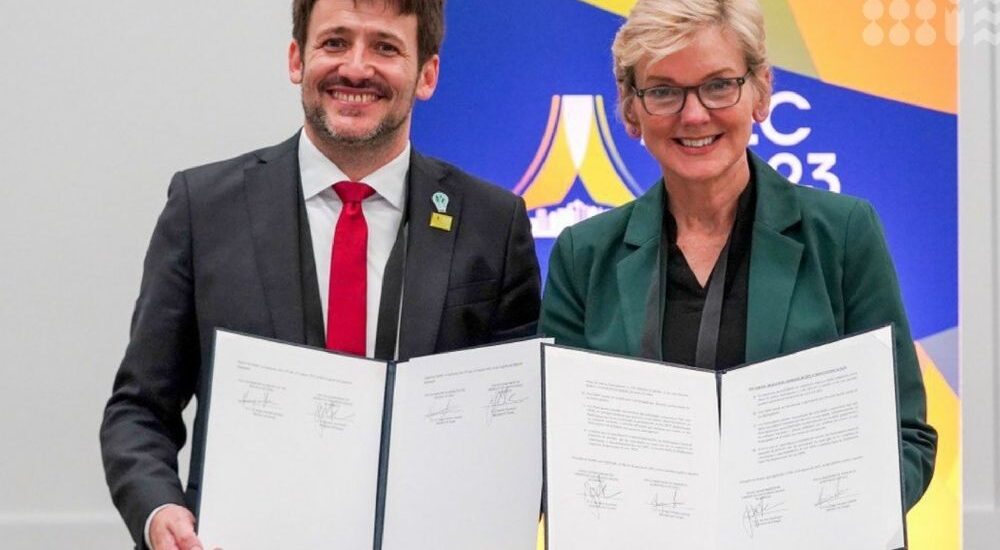
Chile and the United States have entered into an initial agreement aimed at fostering technical assistance and information sharing to facilitate the energy transition. The agreement was signed by Chile’s Energy Minister Diego Pardow and US Energy Secretary Jennifer Granholm.
The agreement is expected to facilitate collaboration in various areas related to the energy transition, including technological exchange and the development of green hydrogen. This partnership comes as Chile aims to become a global leader in exporting green hydrogen by 2040 and strives to achieve carbon neutrality by 2050.
The agreement covers a range of topics, including research and development, decarbonization, grid modernization, hydrogen production, critical minerals, energy justice, and the Net Zero World initiative. It sets the stage for annual meetings between senior officials from both countries to monitor progress, address challenges, and identify new opportunities in these areas.
Chile’s commitment to green hydrogen aligns with its broader sustainability goals and its position as a global player in the transition to renewable and clean energy sources. This collaboration with the US could bring technological advancements and expertise to accelerate Chile’s efforts in achieving its energy and environmental objectives.
Interested in learning more?
Sign up for Top Insights Today

Top Insights Today delivers the latest insights straight to your inbox.
You'll get daily industry insights on
Energy, Cleantech, Oil & Gas, Mining, Defense, Aviation, Construction, Transportation, Online Retail, Bigtech, Finance and Politics of Business
Read more insights

Red Sea shipping disruptions prompt surge in demand for air and rail freight alternatives
Shippers are grappling with disruptions caused by attacks on the Red Sea, a crucial ocean route, prompting them to seek alternative ways to transport goods from China to Europe. Air cargo volumes on major routes, such as the one between Vietnam and Europe, have surged, recording a 65% increase…
Korea’s LG Chem, China’s Huayou to produce battery materials in Morocco
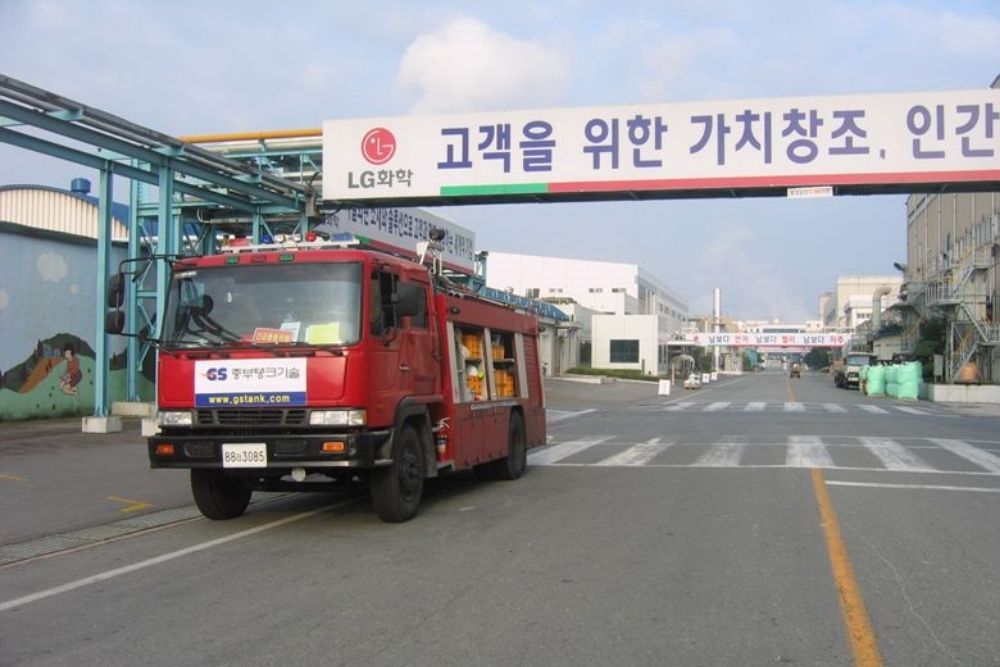
South Korea’s LG Chem Ltd has partnered with China’s Huayou Group’s subsidiary Youshan to establish a joint electric vehicle (EV) battery material plant in Morocco. This collaboration aims to diversify LG Chem’s portfolio and tap into the growing demand for cheaper lithium-phosphate-iron (LFP) batteries.
Chinese businesses brace for yuan pressure amid trade tensions
China’s companies and investors are bracing for a currency landscape dominated by two expectations: the yuan will stay largely stable in the near term, but is likely to weaken later as the weight of U.S. trade policies bears down. A steady buildup of dollar deposits in Chinese banks and growing appetite for currency hedging highlight how local firms and households are positioning for what could be a volatile road ahead.
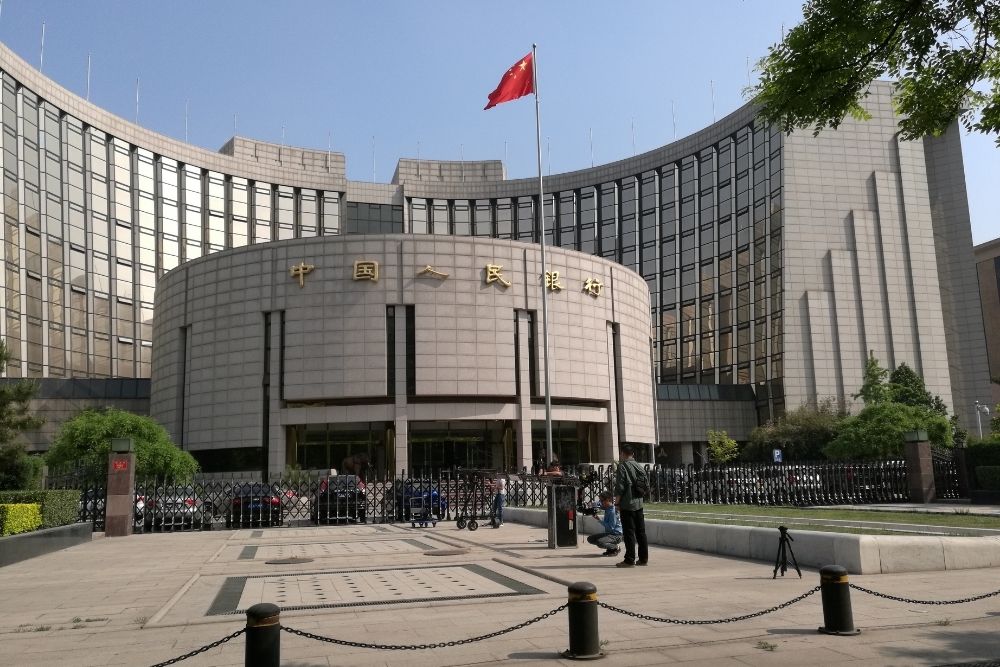
The People’s Bank of China (PBOC) finds itself caught in a delicate balancing act. While it has worked methodically this year to keep the yuan from swinging too sharply, the reality is stark: any sudden move—whether stronger or weaker—could prompt an avalanche of foreign-exchange transactions. If the yuan strengthens abruptly, corporates and exporters might rush to sell dollars to lock in better rates. If it slips too quickly, they could scramble to convert yuan into dollars to protect themselves.