
U.S., EU discussing new tariffs focused on Chinese steel
- September 8, 2023
- Posted by: Quatro Strategies
- Categories: Europe, Mining & Metals, Sanctions & Regulation, United States
The United States and the European Union are reportedly in discussions to establish new tariffs aimed at addressing excess steel production, with a primary focus on imports from China that are believed to benefit from non-market practices.
While the scope of these measures, including other countries that may be targeted and the specific tariff rates, is still being deliberated, the aim is to curb the impact of steel overcapacity on global markets.
This initiative is part of the broader Global Arrangement on Sustainable Steel and Aluminum, a negotiation that has been ongoing between the EU and the Biden administration since 2021. The goal is to reach a comprehensive agreement within this framework by October 2023.
The 2018 imposition of tariffs by then-US President Donald Trump, which included a 25% tariff on steel imports and a 10% tariff on aluminum imports, was intended to protect domestic producers and led to a significant trade dispute with the EU.
However, in 2021, both parties decided to resolve this dispute and instead focus on the global arrangement. This arrangement aimed to allow limited volumes of EU-produced metals to enter the United States without tariffs while retaining the disputed tariffs on other imports.
The ongoing discussions aim to devise a more comprehensive approach to address steel overcapacity, particularly concerning imports from China. The precise details of these new tariffs and their potential impact on the global steel trade will depend on the outcomes of these negotiations.
Interested in learning more?
Sign up for Top Insights Today

Top Insights Today delivers the latest insights straight to your inbox.
You will get daily industry insights on
Oil & Gas, Rare Earths & Commodities, Mining & Metals, EVs & Battery Technology, ESG & Renewable Energy, AI & Semiconductors, Aerospace & Defense, Sanctions & Regulation, Business & Politics.
Read more insights
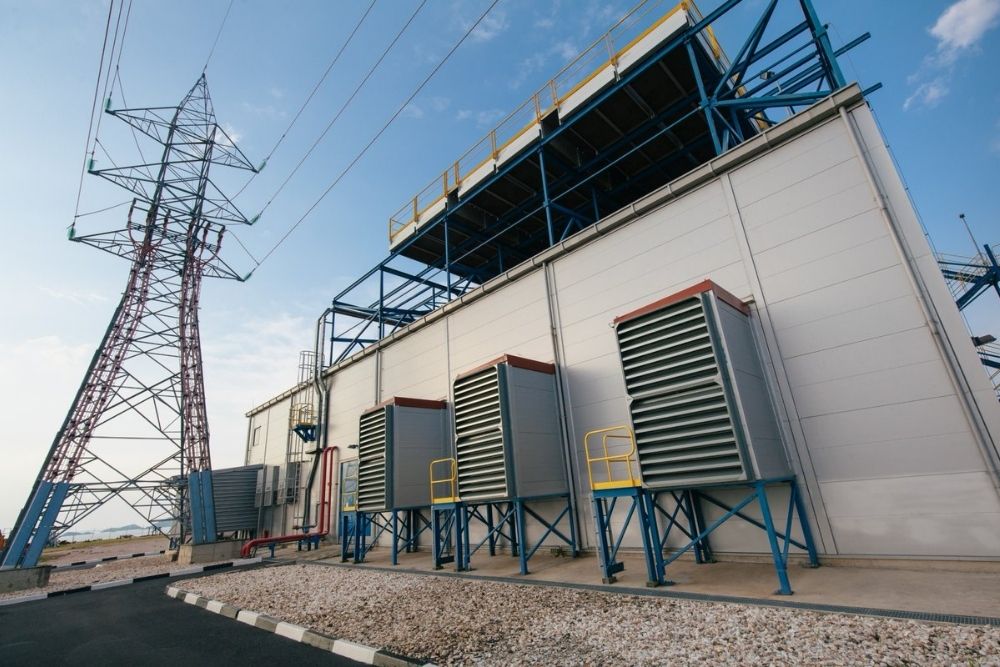
China’s gas producers push for power sector expansion
China’s domestic natural gas industry is stepping up pressure on policymakers to significantly expand the country’s gas-fired power generation capacity, as growth in gas consumption falters in the face of structural economic shifts and intensifying competition from cheaper energy sources.
Major gas producers are lobbying for a nearly 50% increase in gas-powered electricity generation capacity by the end of this decade—proposing a buildup to almost 70 gigawatts (GW) by 2030 from estimated 2025 levels. This proposal, which has not been publicly disclosed, is now being reviewed as part of the drafting process for China’s next Five-Year Plan, set to be approved in March 2026.
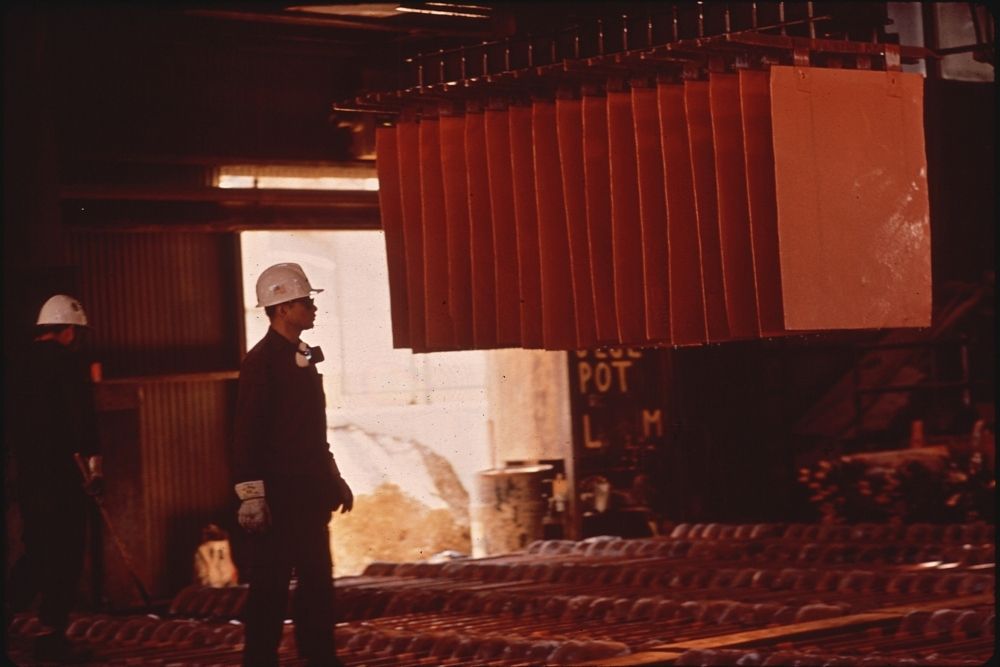
China’s smelting overbuild risks Western exit from copper value chain
Copper smelters are now facing an unprecedented squeeze in margins, as the scarcity of copper concentrate supply and an oversaturated processing industry collide to push treatment and refining charges (TCRCs) into negative territory. In an extraordinary twist, some smelters are now paying miners to accept their concentrate — a reversal of the traditional commercial logic that underpins the copper supply chain.
TCRCs, which historically formed the bedrock of smelter profitability, have plunged below zero in both spot markets and early mid-year negotiations, indicating the degree of stress engulfing the sector. While some observers interpret this as yet another sign of a chronic shortfall in mined copper supply, the deeper issue is structural: smelting capacity — particularly in China — has grown too fast relative to available feedstock.
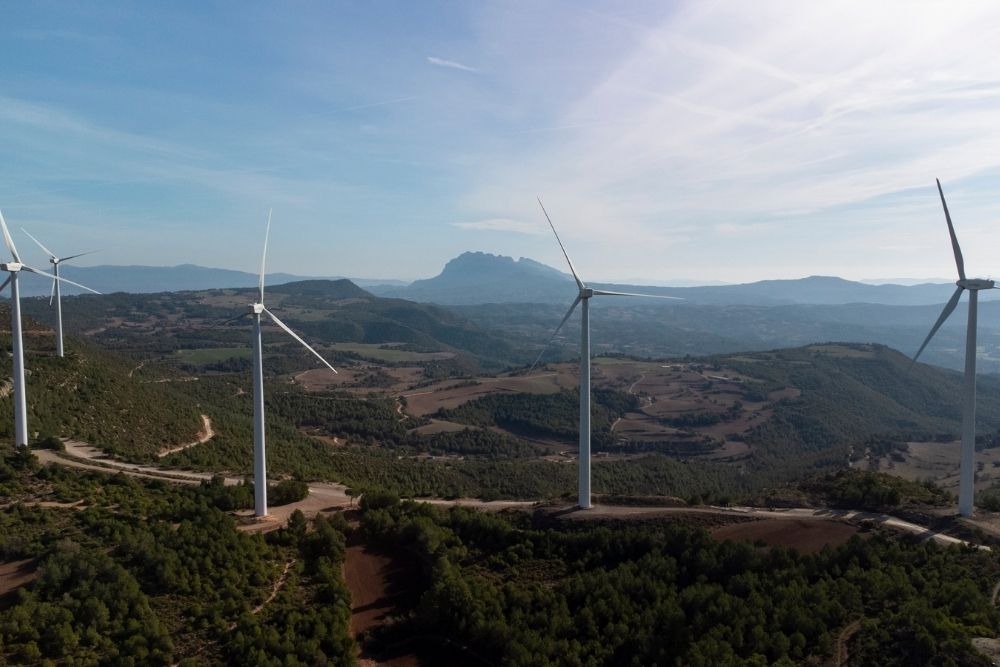
Germany’s wind power slump triggers reliance on fossil fuels, driving up electricity prices
Germany, Europe’s largest wind power producer, is experiencing its longest stretch of below-normal wind generation since early 2021 due to persistently low wind speeds since October. Wind power is Germany’s primary electricity source, and its output typically peaks during winter when wind speeds are at their strongest…