
U.S., India expected to make progress on GE jet engines, nuclear technology
- September 8, 2023
- Posted by: Quatro Strategies
- Categories: Aerospace & Defense, Business & Politics, India, United States
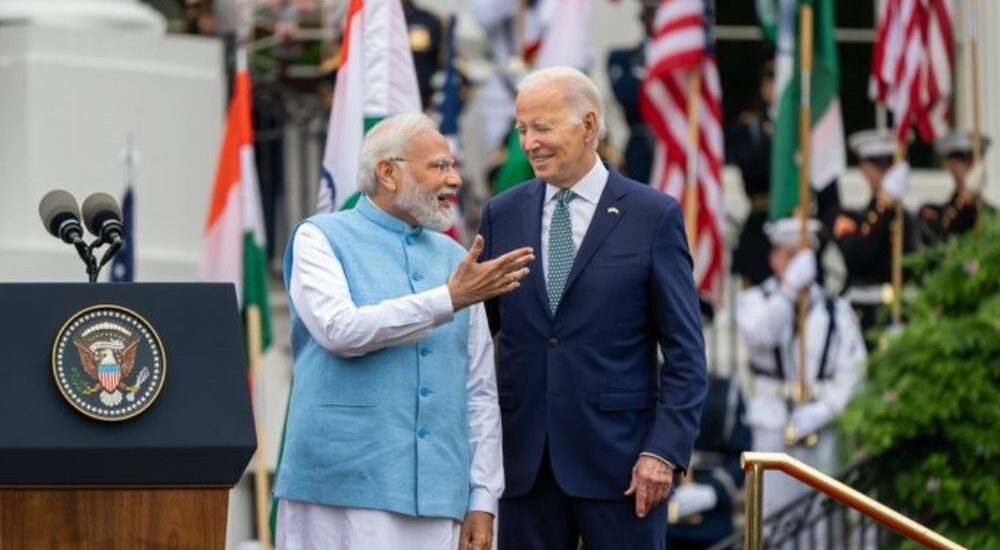
U.S. President Joe Biden and Indian Prime Minister Narendra Modi are expected to make significant advancements in discussions related to the GE jet engine deal and civil nuclear technology during their bilateral talks. This development comes as part of the ongoing efforts to strengthen economic and defense ties between the United States and India.
Earlier this year, General Electric (GE) announced a crucial agreement with India’s state-owned Hindustan Aeronautics Limited (HAL). The core objective of this agreement is the joint manufacturing of engines in India, intended for use in fighter jets for the Indian Air Force. This partnership underscores the commitment of both nations to enhancing their technological and defense collaborations.
A pivotal aspect of this agreement is the transfer of technology to India, enabling the indigenous production of jet engines. Specifically, this collaboration has the potential for joint production of GE Aerospace’s F414 engines in India. This aligns with the Indian Air Force’s Light Combat Aircraft Mk2 program, demonstrating the synergy between the two countries in advancing defense capabilities.
The agreement also builds upon GE Aerospace’s earlier commitment to manufacture 99 engines for the Indian Air Force under the LCA Mk2 program. Additionally, GE will continue its collaboration with the Indian government on the AMCA Mk2 engine program, further solidifying the partnership’s long-term prospects.
On the commercial front, the collaboration extends to Air India’s substantial aircraft purchase. Air India made a historic announcement, marking the largest-ever purchase by an Indian airline. The acquisition includes 400 single-aisle and 70 twin-aisle planes, all powered by engines manufactured by GE and CFM International. The latter is a 50-50 joint venture between GE and Safran Aircraft Engines. This blockbuster deal signals a significant recovery in the commercial aviation sector, particularly following the challenges posed by the COVID-19 pandemic.
Additionally, GE has entered into agreements that deepen its investment in India’s military capabilities. Hindustan Aeronautics Limited continues to assemble the GE F404 family of engines, which have powered every generation of the Tejas, India’s light combat aircraft (LCA). This collaboration underscores the enduring partnership between the United States and India in defense and technology, highlighting the potential for future growth and cooperation in these critical sectors.
Interested in learning more?
Sign up for Top Insights Today

Top Insights Today delivers the latest insights straight to your inbox.
You will get daily industry insights on
Oil & Gas, Rare Earths & Commodities, Mining & Metals, EVs & Battery Technology, ESG & Renewable Energy, AI & Semiconductors, Aerospace & Defense, Sanctions & Regulation, Business & Politics.
Read more insights

Adani Green Energy completes offtake agreements for 8 GW renewable projects
Adani Green Energy Ltd., a subsidiary of Gautam Adani’s business conglomerate, has achieved a significant milestone by securing buyers for the entire 8 gigawatts (GW) of green power projects it won in a tender more than three years ago. The company finalized a 25-year contract…
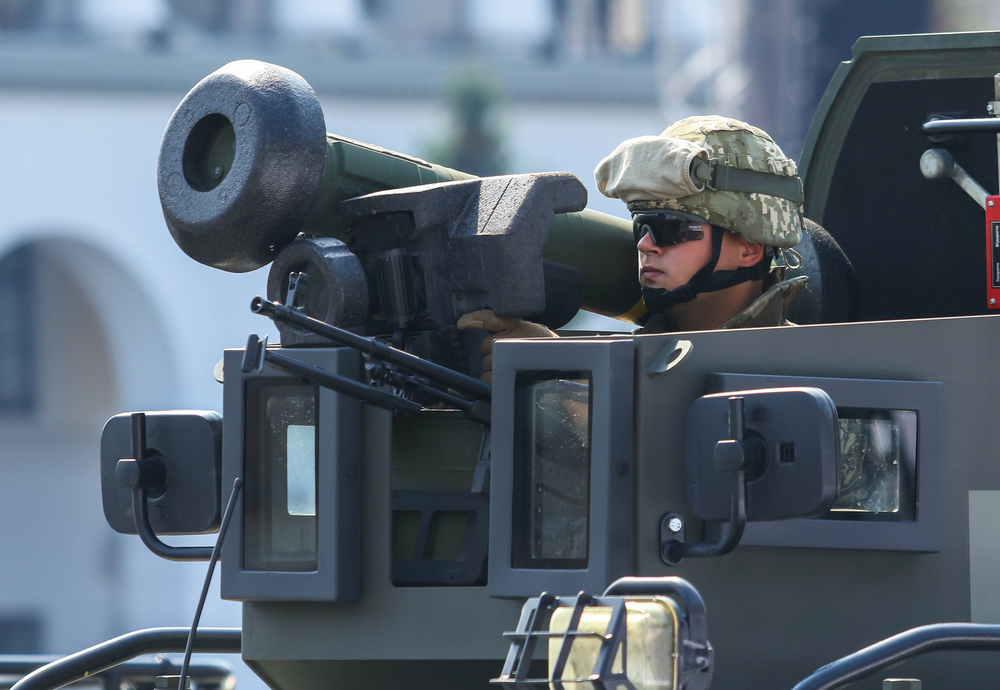
Switzerland’s weapons exports plummet by over a quarter in 2023
Switzerland experienced a significant decline in weapons exports last year, with the government reporting a decrease of more than a quarter. The State Secretariat for Economic Affairs (SECO) revealed that war material exports fell to 696.8 million Swiss francs ($788.06 million) in 2023…
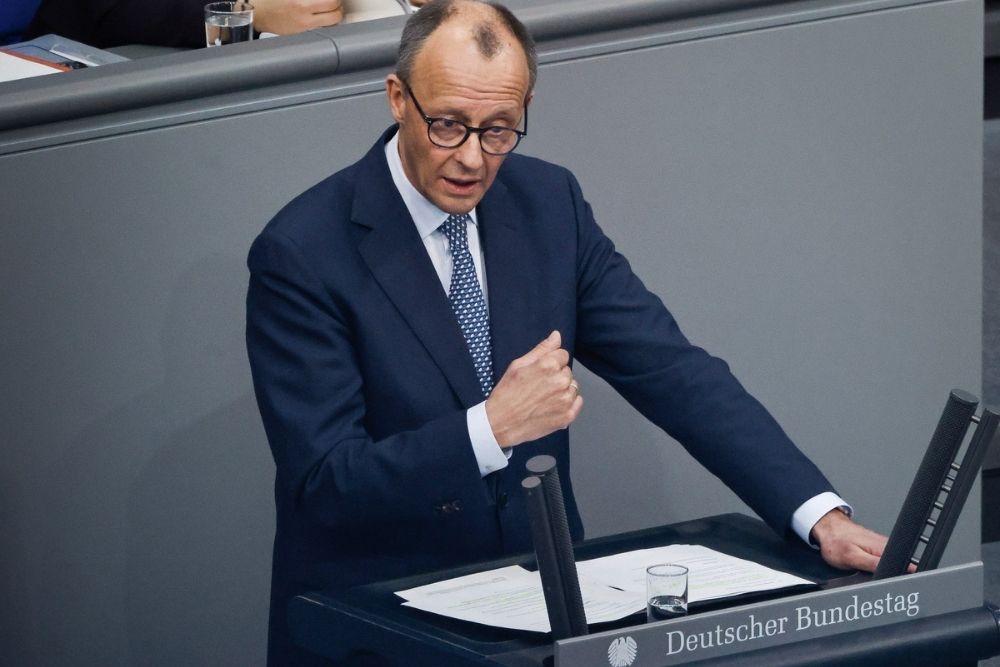
German Chancellor Merz urges EU to soften 2035 combustion-car ban
German chancellor Friedrich Merz is trying to reopen one of the biggest fights in Europe’s green-industrial policy: how fast to kill the combustion engine. Merz has written to European Commission President Ursula von der Leyen urging Brussels to soften the 2035 ban on new combustion-engine cars, arguing that the current timetable is no longer realistic for Europe’s auto industry.
His case is familiar but now carries the weight of the Chancellery: EV demand in Europe is weaker than policymakers assumed when the law was passed, Chinese competition is much fiercer, and manufacturers need more room to use transitional technologies like plug-in hybrids and ultra-efficient engines instead of being forced into a pure battery-electric corner.