
U.S. intends to bolster influence in the Pacific with second leaders summit
- September 25, 2023
- Posted by: Quatro Strategies
- Categories: Asia Pacific, Business & Politics, United States
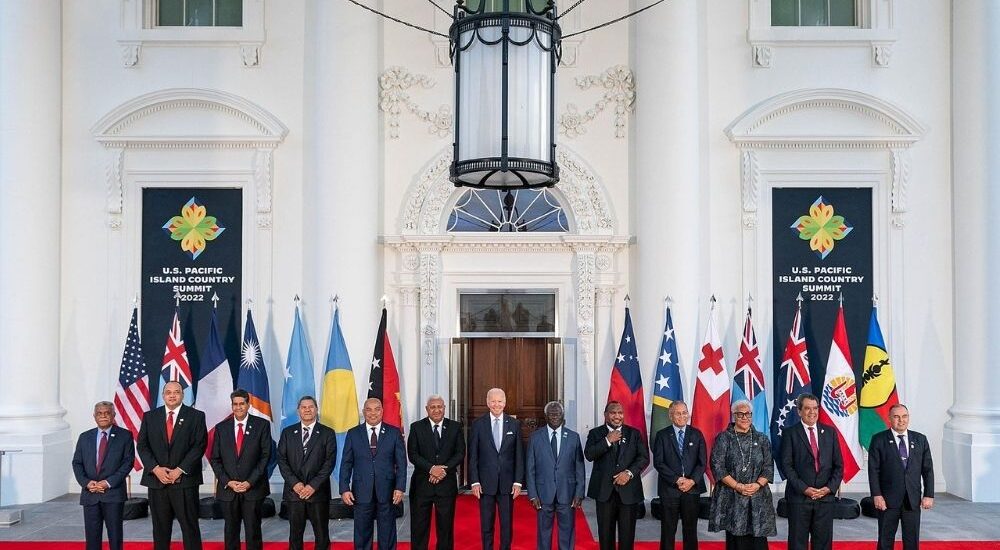
President Joe Biden’s upcoming summit with Pacific island leaders is a significant part of the U.S.’s effort to strengthen its influence and counter China’s growing presence in the region, which the U.S. has long considered its strategic domain. The meeting is set to span three days and is expected to involve a range of initiatives to deepen ties and provide support to the Pacific island nations.
In the previous summit held a year ago, the U.S. government pledged to support Pacific island nations in resisting China’s “economic coercion.” The Pacific island leaders and the U.S. administration collectively emphasized the shared vision for a region where democracy can flourish and the importance of standing up to undue influence and unfair practices.
This year’s summit will concentrate on various priorities, including climate change, economic growth, sustainable development, public health, and countering illegal fishing. Furthermore, the U.S. will extend official recognition to the Cook Islands and Niue during this summit, showcasing its intent to engage more closely with the Pacific nations.
However, some challenges have emerged in the lead-up to the summit. Solomon Islands Prime Minister Manasseh Sogavare, who has been strengthening his country’s ties with China, will not be attending. This comes as a disappointment to the U.S., which has been working to enhance relations and cooperation with the Pacific nations to counterbalance China’s increasing influence.
Despite the U.S. committing to investing over $810 million in expanded programs to aid the Pacific islands, there have been concerns about the actual progress and implementation of these promises. Some Pacific island nations are cautiously welcoming the U.S.’s re-engagement with the region, hoping for enhanced security without further militarization or geopolitical tensions.
The U.S. is striving to strike a balance between supporting Pacific nations, countering China’s influence, and maintaining stability and cooperation in the region. This summit marks a critical step in the U.S.’s renewed engagement with the Pacific, signaling a determination to bolster relationships and secure its strategic interests in the region.
By QUATRO Strategies International Inc.
QUATRO Strategies International Inc. is the leading business insights and corporate strategy company based in Toronto, Ontario. Through our unique services, we counsel our clients on their key strategic issues, leveraging our deep industry expertise and using analytical rigor to help them make informed decisions to establish a competitive edge in the marketplace.
Interested in learning more?
Sign up for Top Insights Today

Top Insights Today delivers the latest insights straight to your inbox.
You will get daily industry insights on
Oil & Gas, Rare Earths & Commodities, Mining & Metals, EVs & Battery Technology, ESG & Renewable Energy, AI & Semiconductors, Aerospace & Defense, Sanctions & Regulation, Business & Politics.
Read more insights
Iron ore falls as China’s slowdown meets a trading credit scare
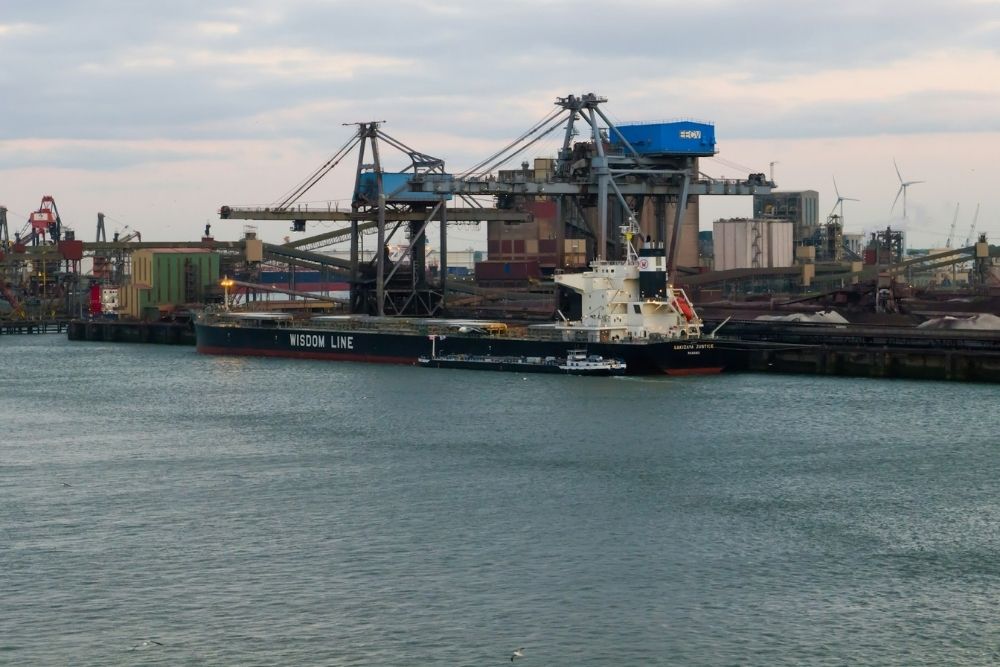
Iron ore fell to its lowest level in more than a year on Monday, and the move deserves careful unpacking because two very different forces produced it. One is a slow deterioration in Chinese steel demand that has been visible for months and reflects an economy whose construction sector has collapsed.
The other is an acute credit event involving a single Singapore trading house, which has revived memories of the document fraud cases that reshaped commodity finance six years ago. Markets rarely offer such a clean example of structural weakness and idiosyncratic shock arriving together.

Metals markets brace for Alaska summit outcome between Trump and Putin
The metals market is in a holding pattern ahead of the Alaska summit between President Donald Trump and Russian President Vladimir Putin, with traders weighing the potential for either a geopolitical breakthrough or renewed confrontation. For both industrial and precious metals, the stakes are high, as the outcome could trigger a sharp reallocation of capital and trade flows.
A ceasefire in Ukraine would be an inflection point for commodities like copper, aluminum, and nickel, unlocking the possibility of Russia’s gradual reintegration into Western trade networks. Such a shift could ease supply constraints caused by sanctions, reduce cost pressures for Europe’s industrial base, and allow global manufacturing to access Russian-origin metals without the current logistical and reputational hurdles.
Berlin tests whether markets can deliver strategic gas reserves
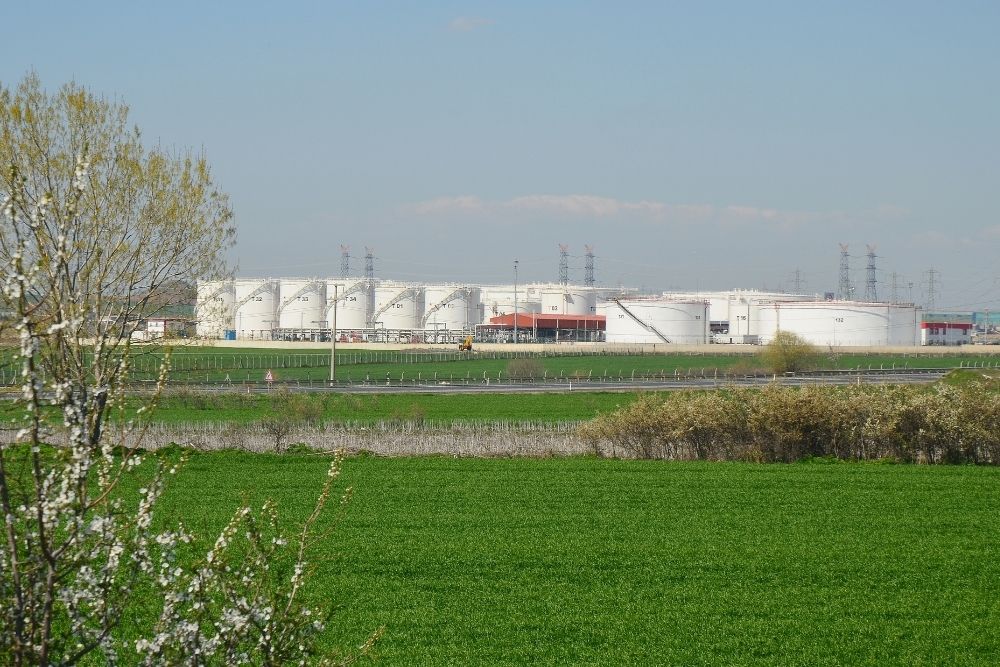
Berlin has made a choice that it prefers not to describe as one. Germany’s gas storage sits at roughly 51 percent, against 82 percent in Italy and a 63 percent European average, and the government has declined to intervene, insisting that market participants will fill the caverns and that a shortage is not expected.
The Economy Ministry stated last week that levels between 60 and 70 percent would be sufficient for average winter demand. That is a policy resting on two words doing enormous work: average, and expected.