
U.S. to cancel Trump-era Alaska oil and gas leases
- September 7, 2023
- Posted by: Quatro Strategies
- Categories: Oil & Gas, Sanctions & Regulation, United States
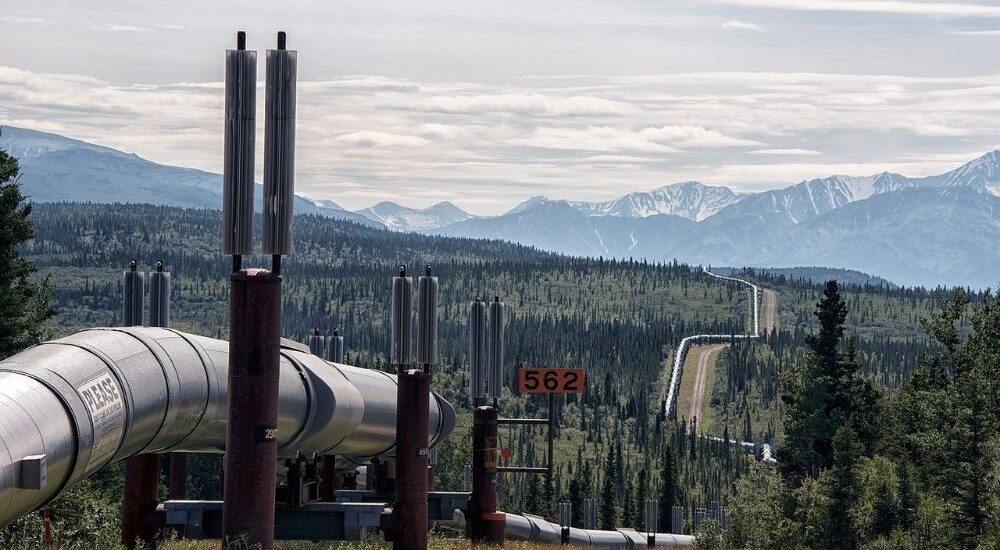
The U.S. Interior Department has announced the cancellation of oil and gas leases in the Arctic National Wildlife Refuge (ANWR) that were sold to the Alaska Industrial Development and Export Authority (AIDEA) during the final days of former President Donald Trump’s term. President Joe Biden has been focused on protecting the 19.6 million-acre ANWR to preserve its wildlife and combat climate change.
The leases were granted just one day before Biden’s inauguration.
This decision has been applauded by environmentalists but criticized by some Alaskan officials who sought to open up drilling in the reserve to secure jobs and revenues for the state. It’s part of Biden’s broader agenda to limit oil and gas activities on public lands to address climate change.
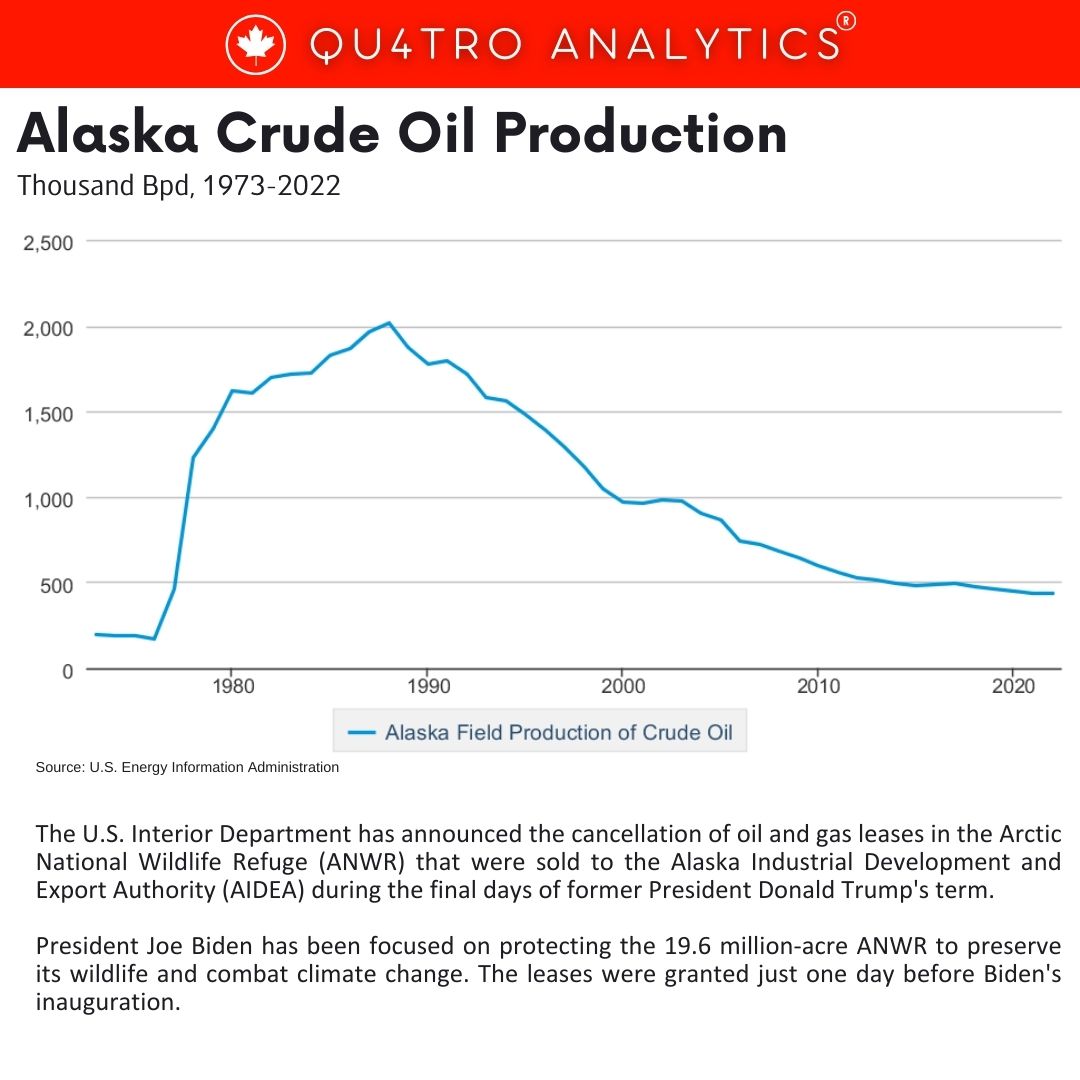 The Interior Department will also prohibit new leasing on over 10 million acres in the National Petroleum Reserve in Alaska, the largest undisturbed public land in the United States. This move represents another step in Biden’s effort to combat climate change by reducing oil and gas production on public lands.
However, it’s worth noting that Biden is also under pressure to ensure domestic fuel supplies and keep pump prices low. Earlier this year, his administration approved a $7 billion ConocoPhillips drilling project in Alaska, which drew criticism from the United Nations for not aligning with efforts to transition away from fossil fuels.
AIDEA has stated that it will challenge the cancellation of the leases in court, arguing that the Interior Department’s decision is based on campaign rhetoric and disregards federal law.
This decision marks the latest development in the ongoing debate over drilling and environmental protection in Alaska’s sensitive ecosystems, and it reflects the Biden administration’s commitment to addressing climate change by curbing fossil fuel extraction on federal lands.
Interested in learning more?
Sign up for Top Insights Today

Top Insights Today delivers the latest insights straight to your inbox.
You will get daily industry insights on
Oil & Gas, Rare Earths & Commodities, Mining & Metals, EVs & Battery Technology, ESG & Renewable Energy, AI & Semiconductors, Aerospace & Defense, Sanctions & Regulation, Business & Politics.
Read more insights
Brussels tightens steel shield, raising costs for Europe’s carmakers
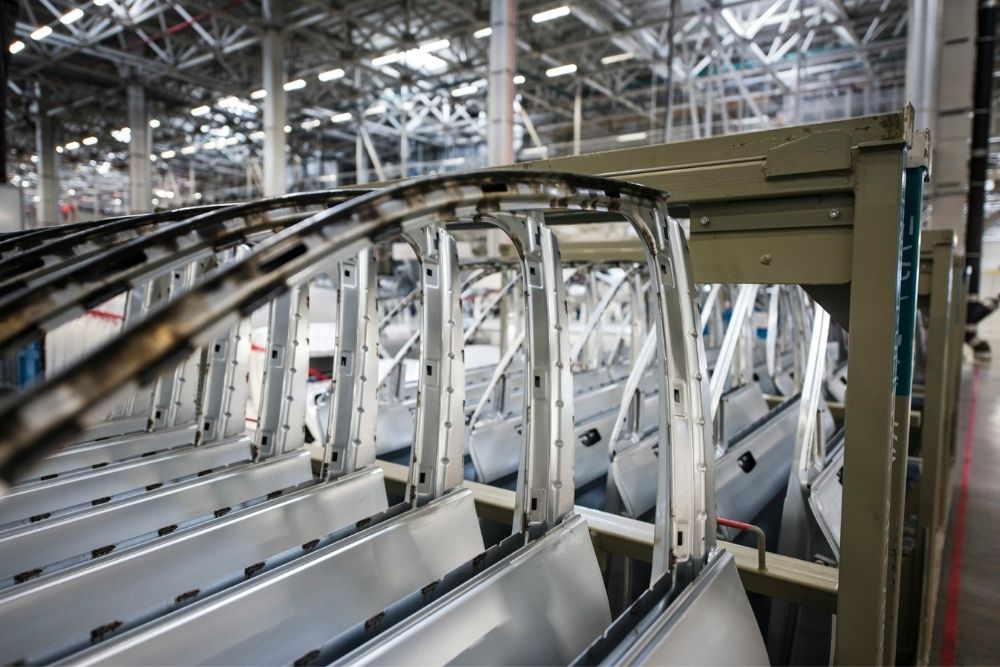
Europe’s car stocks sold off because Brussels just proposed turning a temporary steel “safeguard” into a tougher, quasi-permanent shield. The European Commission wants to halve the volume of steel that can enter tariff-free to roughly 18.3 million tons a year and to double the duty on excess imports to 50%.
For automakers that already buy about 90% of their steel in the EU, the issue is less about access than about price: cordoning off imports at tighter quotas typically lifts domestic benchmarks, narrows choice of grades, adds paperwork, and nudges contract premia higher. That is why ACEA warned of inflationary pressure even as it acknowledged the steel industry’s need for some protection.
India’s power sector sees renewed interest in coal investments
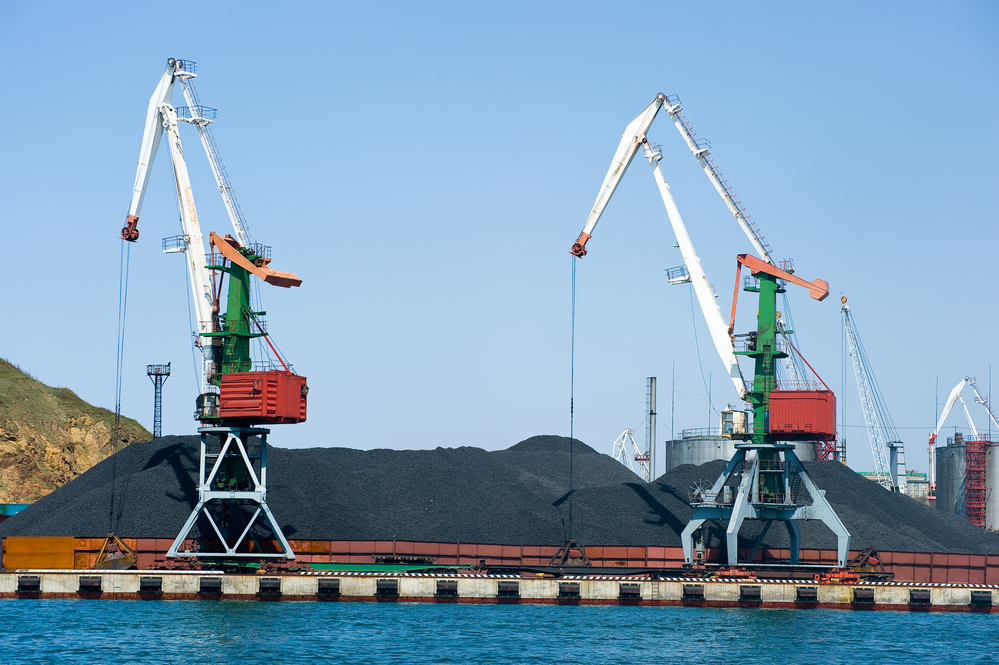
The Indian power sector is witnessing a potential resurgence in private investment, with several major firms expressing interest in building significant coal-fired power capacity over the next decade. Adani Power, JSW Group, Essar Power, and Vedanta are among the companies signaling their intention…
EU to retaliate Trump with €21B tariffs as businesses brace for supply chain turmoil
The European Union is set to approve its first round of countermeasures against U.S. President Donald Trump’s sweeping new tariffs on Wednesday, aligning itself with China and Canada in escalating a global trade dispute that is quickly morphing into a full-blown trade war.
The move comes just as Trump’s latest round of tariffs—dubbed “reciprocal” levies—took effect, expanding his tariff blitz to virtually all of America’s major trading partners. The EU now faces a punitive 25% tariff on its exports of steel, aluminum, and cars to the U.S., alongside a broader 20% duty covering nearly all other product categories.