
U.S. to cancel Trump-era Alaska oil and gas leases
- September 7, 2023
- Posted by: Quatro Strategies
- Categories: Oil & Gas, Sanctions & Regulation, United States
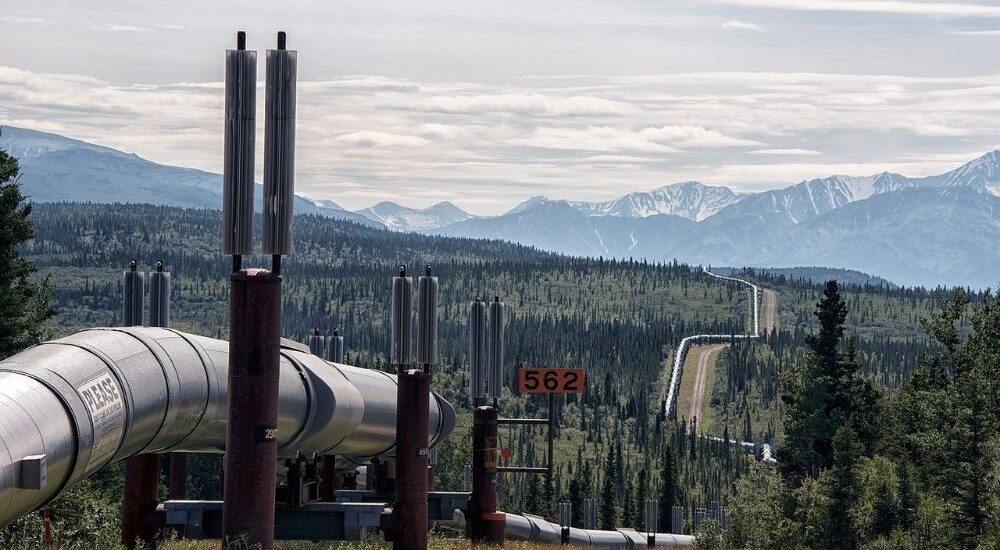
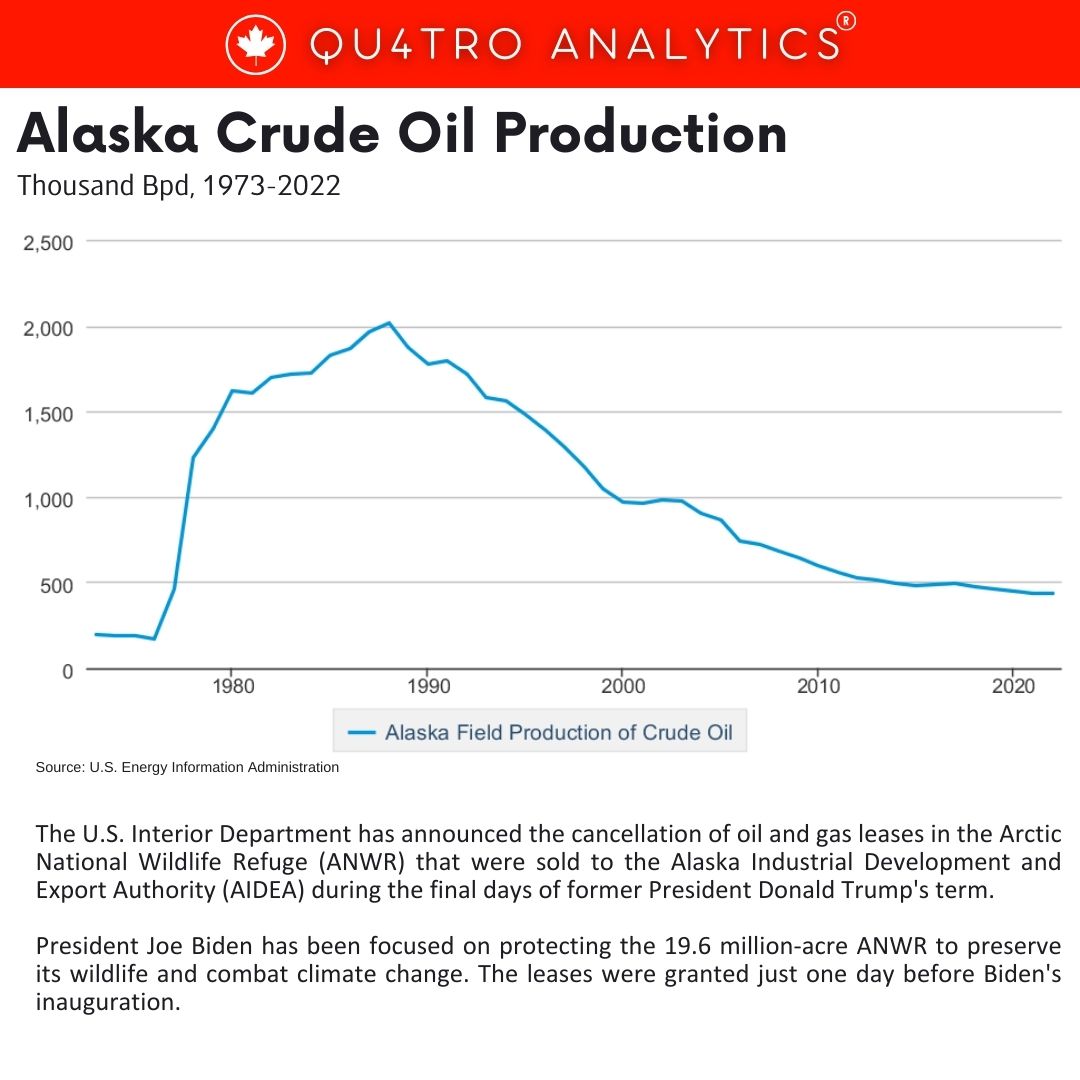
The U.S. Interior Department has announced the cancellation of oil and gas leases in the Arctic National Wildlife Refuge (ANWR) that were sold to the Alaska Industrial Development and Export Authority (AIDEA) during the final days of former President Donald Trump’s term. President Joe Biden has been focused on protecting the 19.6 million-acre ANWR to preserve its wildlife and combat climate change.
The leases were granted just one day before Biden’s inauguration.
This decision has been applauded by environmentalists but criticized by some Alaskan officials who sought to open up drilling in the reserve to secure jobs and revenues for the state. It’s part of Biden’s broader agenda to limit oil and gas activities on public lands to address climate change.
 The Interior Department will also prohibit new leasing on over 10 million acres in the National Petroleum Reserve in Alaska, the largest undisturbed public land in the United States. This move represents another step in Biden’s effort to combat climate change by reducing oil and gas production on public lands.
However, it’s worth noting that Biden is also under pressure to ensure domestic fuel supplies and keep pump prices low. Earlier this year, his administration approved a $7 billion ConocoPhillips drilling project in Alaska, which drew criticism from the United Nations for not aligning with efforts to transition away from fossil fuels.
AIDEA has stated that it will challenge the cancellation of the leases in court, arguing that the Interior Department’s decision is based on campaign rhetoric and disregards federal law.
This decision marks the latest development in the ongoing debate over drilling and environmental protection in Alaska’s sensitive ecosystems, and it reflects the Biden administration’s commitment to addressing climate change by curbing fossil fuel extraction on federal lands.
Interested in learning more?
Sign up for Top Insights Today

Top Insights Today delivers the latest insights straight to your inbox.
You will get daily industry insights on
Oil & Gas, Rare Earths & Commodities, Mining & Metals, EVs & Battery Technology, ESG & Renewable Energy, AI & Semiconductors, Aerospace & Defense, Sanctions & Regulation, Business & Politics.
Read more insights
Nigeria to establish state-backed mineral company to boost investments
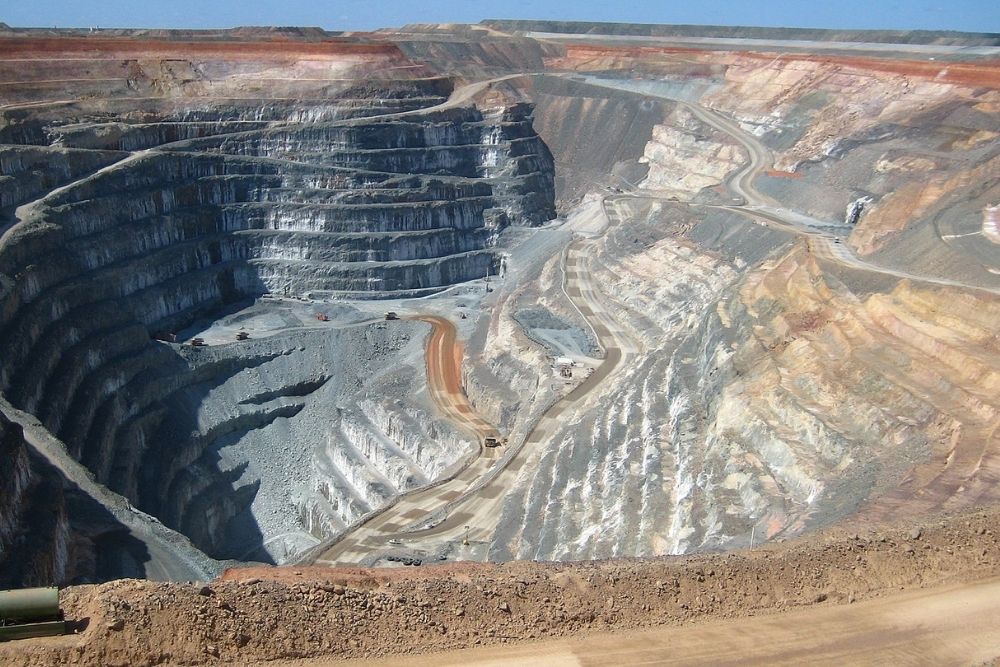
Nigeria is taking steps to boost its mineral extraction sector by establishing the Nigerian Solid Minerals Corporation, a state-backed company aimed at attracting investments in gold, coal, iron ore, bitumen, lead, limestone, and baryte extraction. The country is looking to diversify its economy and reduce its reliance on oil exploration.
Iran conflict inflation shock tests the plumbing of market-based finance
Central banks are looking at the Iran-war oil shock through three lenses at once, and that the third lens, financial stability, is the one markets tend to underprice until it suddenly matters. The first lens is the obvious one: higher energy costs feeding into headline inflation and inflation expectations.
The second is the classic macro follow-through: whether the same shock that raises prices also crushes demand enough to cool inflation later, or, in the nastiest version, does both at once, lifting inflation while weakening growth and employment.
Washington targets Iran’s “dark fleet” with fresh sanctions
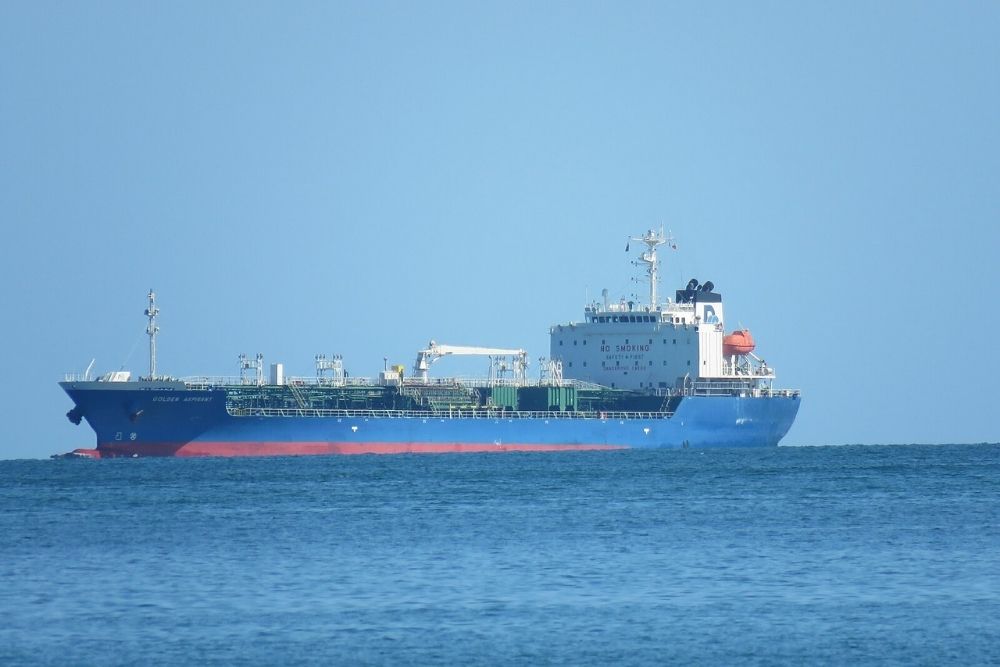
The Trump administration’s decision to roll out another round of Iran-related sanctions on Thursday underscores Washington’s intent to intensify “maximum pressure” on Tehran, even as prospects for nuclear diplomacy remain bleak. The new measures target 13 entities spanning Hong Kong, mainland China, the UAE, and the Marshall Islands, alongside eight vessels alleged to be transporting Iranian oil in violation of sanctions.
At the center of this latest enforcement push is Greek national Antonios Margaritis, whose network of companies and crude tankers was blacklisted for orchestrating shipments of Iranian crude disguised through complex ownership and flagging arrangements. Among the designated ships are the Adeline G and Kongm (Panama-flagged), and the Lafit (flagged by São Tomé and Príncipe).