
UK-based Cleantech Lithium unveiled findings for its Chile lithium project
- September 27, 2023
- Posted by: Quatro Strategies
- Categories: Americas, Mining & Metals, Rare Earths & Commodities
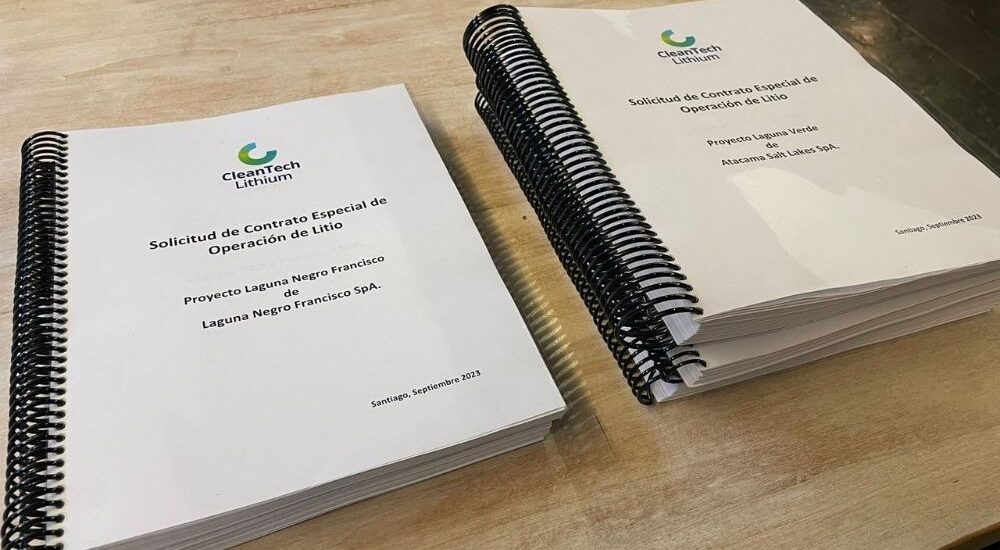
CleanTech Lithium, a company primarily focused on lithium production in Chile, has unveiled the findings of a scoping study for its Francisco Basin project. The results confirm the asset’s significant potential, with an estimated production start targeted for the year 2027. The project, situated in proximity to CleanTech Lithium’s Laguna Verde asset, is projected to produce 20,000 tonnes of battery-grade lithium carbonate annually for a period of 12 years. This production will be achieved through the utilization of direct lithium extraction (DLE) technology, an increasingly popular method in the industry due to its efficiency and reduced environmental impact.
In financial terms, the scoping study indicates a net cashflow after tax and royalties of approximately $2.5 billion over the full production period. The estimated operating costs are outlined to be around $3,641 per tonne of lithium carbonate, with the capital expenditure projected to be in the vicinity of $450 million. These figures underscore the potential economic viability and attractiveness of the Francisco Basin project.
Importantly, the study suggests that the Francisco Basin has the potential to emerge as a major supplier of battery-grade lithium to the European and US markets. This is a strategic advantage for CleanTech Lithium, aligning with the growing demand for lithium as the world shifts towards renewable energy solutions. Lithium, a critical component in batteries for electric vehicles and energy storage systems, has seen a surge in demand with the global transition from fossil fuels to cleaner and more sustainable energy alternatives.
Looking ahead, the company’s next crucial step in the development of this project will involve a resource drill program set to commence in the final quarter of the year. This program is aimed at upgrading the resource estimate, which could potentially extend the project’s lifespan and enhance its overall value proposition.
CleanTech Lithium’s flagship projects, Laguna Verde and Francisco Basin, position the company strategically in Chile, a country known as the world’s top copper producer and the second-largest producer of lithium. Given the increasing importance of these metals in the global push towards renewable energy, Chile holds a critical role in facilitating this transition, making ventures like CleanTech Lithium’s projects vital for a sustainable future.
QUATRO Strategies International Inc. is the leading business insights and corporate strategy company based in Toronto, Ontario. Through our unique services, we counsel our clients on their key strategic issues, leveraging our deep industry expertise and using analytical rigor to help them make informed decisions to establish a competitive edge in the marketplace.
Interested in learning more?
Sign up for Top Insights Today

Top Insights Today delivers the latest insights straight to your inbox.
You will get daily industry insights on
Oil & Gas, Rare Earths & Commodities, Mining & Metals, EVs & Battery Technology, ESG & Renewable Energy, AI & Semiconductors, Aerospace & Defense, Sanctions & Regulation, Business & Politics.
Read more insights

Peru and Japan sign key defense and mining deals to strengthen bilateral ties
Peruvian President Dina Boluarte and Japanese Prime Minister Shigeru Ishiba signed agreements on defense and mining cooperation following the Asia-Pacific Economic Cooperation (APEC) summit in Lima. The deals underscore a decade-long roadmap for collaboration between Peru, a major copper producer…
Between rival giants, India tries to forge its own industrial pole
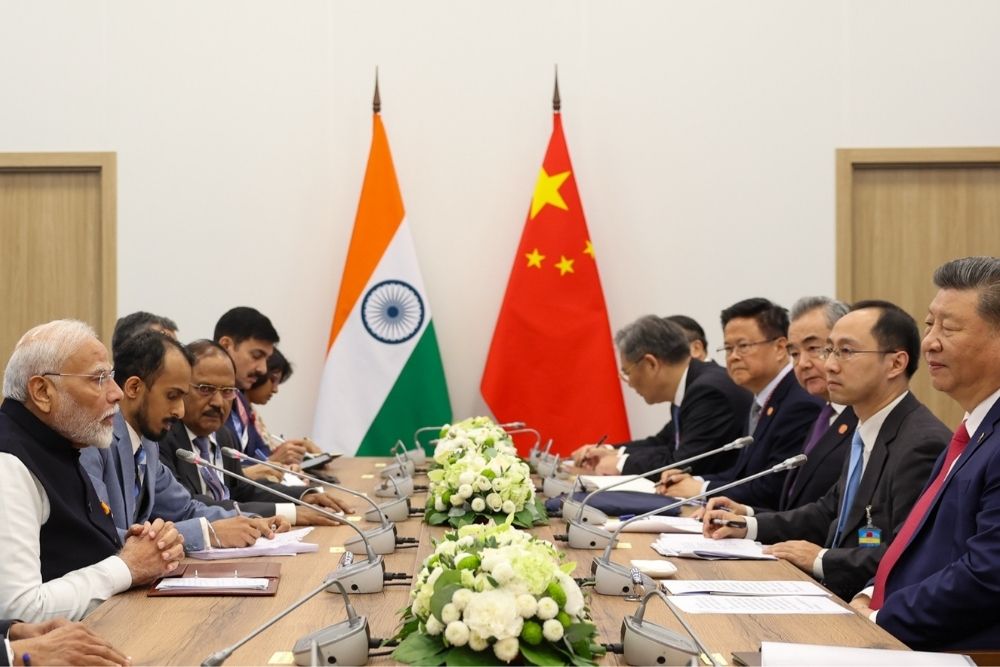
India now finds itself navigating one of the most delicate strategic and economic balancing acts in its modern history, caught between two rival superpowers on which its own growth prospects depend, yet which are increasingly at odds with each other. The United States has slapped tariffs of 50% on most Indian exports, delivering a shock to New Delhi’s trade apparatus.
At the same time, India remains structurally reliant on China in crucial supply chains despite a bitter political relationship in recent years, and is now tentatively seeking to thaw ties with Beijing as a way to shore up its industrial base. How India manages this dual challenge will shape not just its own development trajectory, but the wider geopolitical balance across the Indo-Pacific.
Geneva talks yield 90-day truce in escalating U.S.-China trade war
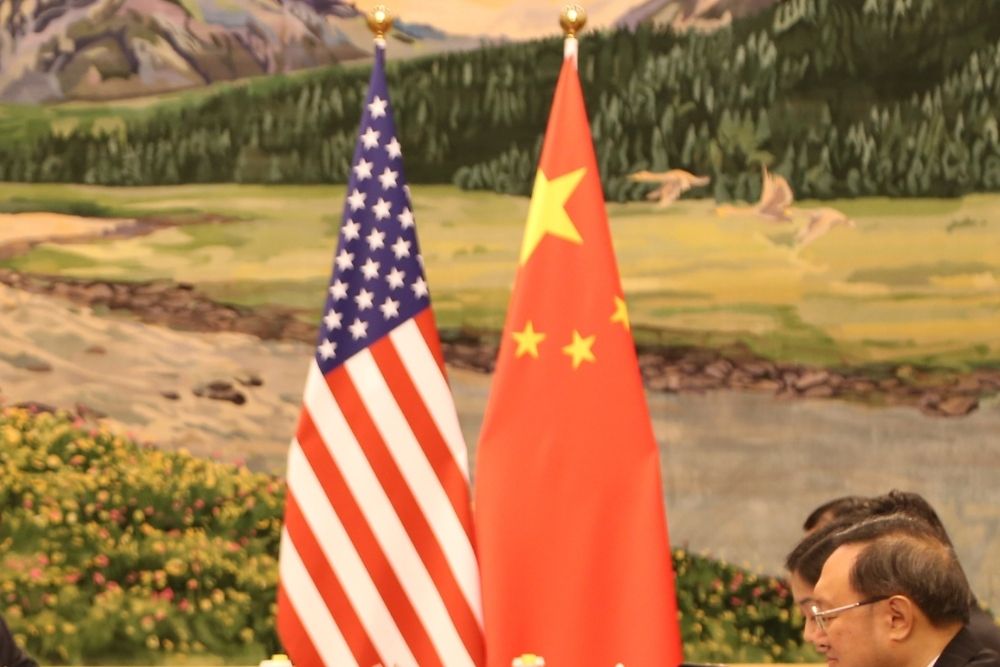
The United States and China have struck a surprise agreement to sharply reduce their tit-for-tat tariffs for 90 days, offering a critical reprieve in a trade war that had ground nearly $600 billion in bilateral commerce to a halt. Under the temporary truce announced Monday, the U.S. will scale back the steep tariffs it imposed in April—from 145% down to 30%—while China will lower its retaliatory tariffs on U.S. goods from 125% to 10%.
Markets reacted swiftly to the news, with the dollar rising and stocks climbing in both Europe and Asia. Investors had been bracing for prolonged economic pain after months of protectionist escalation by U.S. President Donald Trump, who launched a barrage of new tariffs shortly after returning to office in January. His administration justified the tariffs on grounds ranging from national security to addressing China’s trade practices and the country’s alleged role in the fentanyl crisis.