
Vietnam expects delays in offshore gas projects, putting its power supply at risk
- October 5, 2023
- Posted by: Quatro Strategies
- Categories: Asia Pacific, Oil & Gas
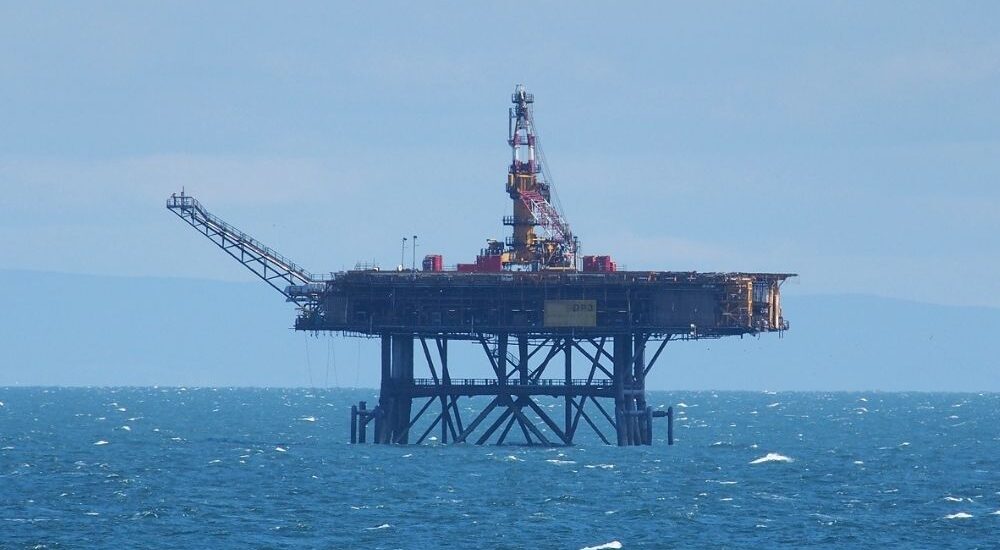
Vietnam’s offshore gas development projects involving major players like Exxon Mobil and Gazprom are facing significant delays, as per a draft government document. This situation raises concerns about the future of these projects in the South China Sea, where Vietnam and China have territorial disputes. Particularly, Exxon has been exploring options to withdraw from its Blue Whale project off Vietnam’s coast due to increasing pressure to align with green-energy goals.
Delays in these projects could also add to Vietnam’s ongoing concerns about its power supply. The country has experienced blackouts in recent months and planned to rely on domestic gas, including gas from Exxon and Gazprom projects, for a significant portion of its power generation capacity by 2030. The Blue Whale project, for example, was designed to consist of five power plants with a combined capacity of almost 4 gigawatts, but none of these plants have been built yet.
The draft document from Vietnam’s industry ministry, dated August 31, suggested a new timeline for the Blue Whale project, indicating that the five power plants will become operational when gas is available from that block, tentatively in 2028. It also noted that gas sale agreements for four of these plants are expected to be signed this year.
Exxon has been actively seeking buyers for the Blue Whale project for years. While Exxon states that business activities for the project are continuing as usual, there’s growing uncertainty about the future of the project. Administrative hurdles and disagreements over electricity pricing with Vietnam’s power grid operator have contributed to delays in the project’s development.
Similarly, Gazprom’s main gas project in Vietnam is also facing prolonged uncertainty. The government draft document suggests that Gazprom’s plant, which was initially expected to be operational before the end of this decade, is now unlikely to come online before 2030 as the company is assessing gas reserves.
These delays in major offshore gas projects may impact Vietnam’s ability to secure its power supply and meet its energy goals. Moreover, the territorial disputes in the South China Sea further complicate the situation, adding geopolitical dimensions to the challenges faced by these projects.
QUATRO Strategies International Inc. is the leading business insights and corporate strategy company based in Toronto, Ontario. Through our unique services, we counsel our clients on their key strategic issues, leveraging our deep industry expertise and using analytical rigor to help them make informed decisions to establish a competitive edge in the marketplace.
Interested in learning more?
Sign up for Top Insights Today

Top Insights Today delivers the latest insights straight to your inbox.
You will get daily industry insights on
Oil & Gas, Rare Earths & Commodities, Mining & Metals, EVs & Battery Technology, ESG & Renewable Energy, AI & Semiconductors, Aerospace & Defense, Sanctions & Regulation, Business & Politics.
Read more insights
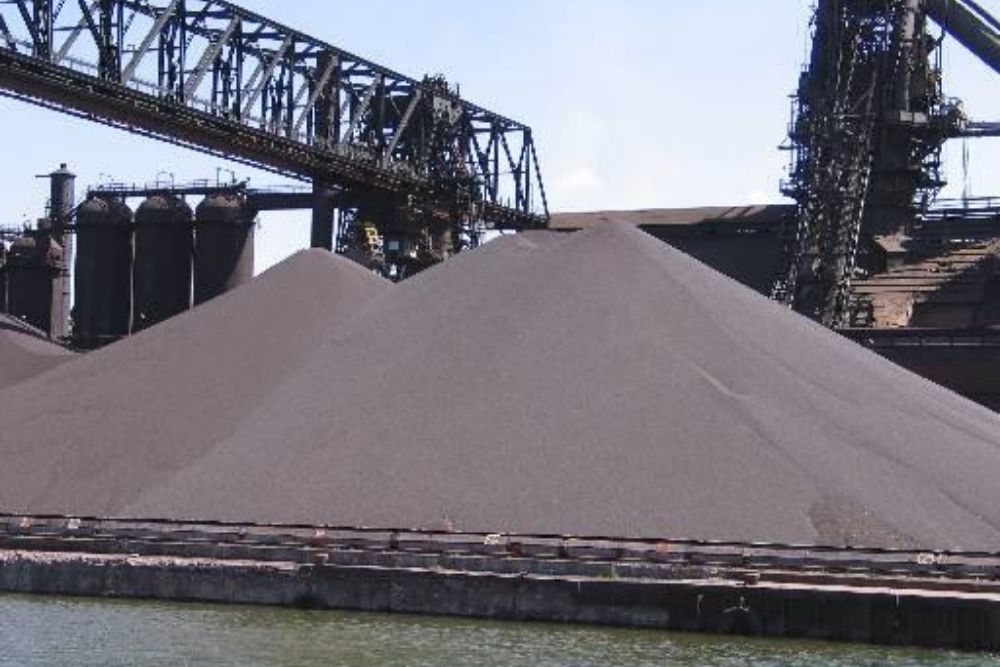
Iron ore markets frozen as traders await China’s policy response
The iron ore market’s subdued trading range despite extraordinary uncertainty surrounding Chinese demand outlook reveals how commodity markets paralyzed by conflicting signals, domestic manufacturing contraction suggesting collapsing steel consumption against potential stimulus hopes and export disruptions complicating already-fragile trade dynamics, essentially surrender price discovery to await political guidance from the National People’s Congress rather than attempting to assess fundamental supply-demand balances independently.
The fact that Chinese steel exporters have ceased making offers to Middle Eastern customers due to Hormuz shipping paralysis compounds the demand destruction from domestic weakness, creating a two-front crisis for China’s massive steel industry that no amount of parliamentary pledges can immediately resolve.
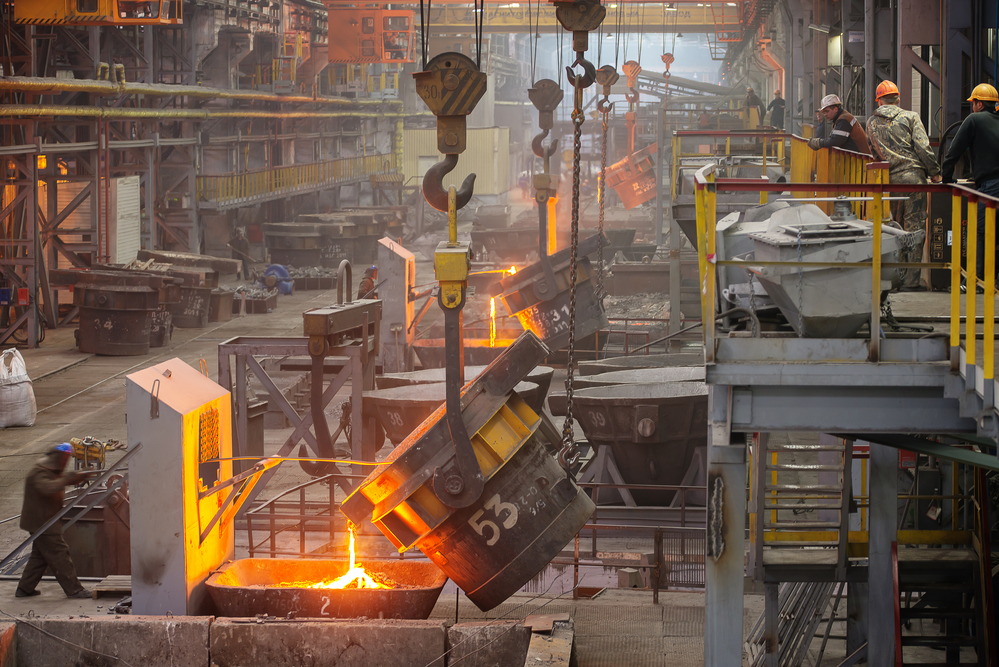
UK hardens steel trade defenses in strategic industry shift
Britain is preparing to harden its steel trade defenses in what looks like a significant shift toward a more openly protectionist industrial policy. The government is expected to cut import quotas for many steel products and raise tariffs on shipments outside those limits to 50%, roughly bringing the UK into line with the European Union and the United States.
The move would form part of a broader steel strategy expected shortly from the government, which has already made clear that it sees the survival of domestic steelmaking as a strategic priority rather than simply a matter of market efficiency.
California-based KoBold Metals expects Zambia copper production in 10 years
KoBold Metals, a Silicon Valley startup backed by prominent figures like Bill Gates and Jeff Bezos, is setting its sights on producing copper and cobalt within the next decade at its Mingomba project located in Zambia. The company is dedicating about $150 million towards expediting its search for more mineral deposits at the Mingomba project