
Vietnam expects delays in offshore gas projects, putting its power supply at risk
- October 5, 2023
- Posted by: Quatro Strategies
- Categories: Asia Pacific, Oil & Gas
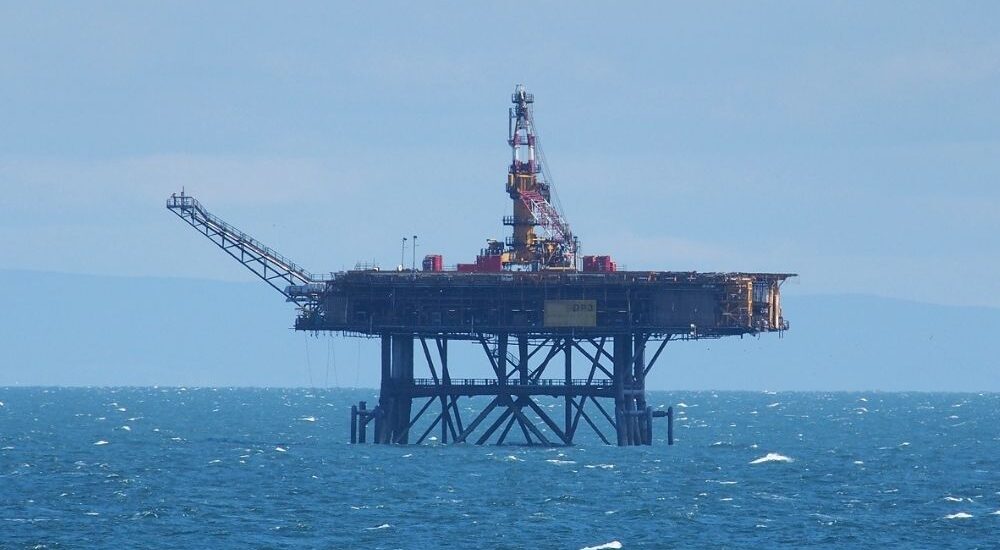
Vietnam’s offshore gas development projects involving major players like Exxon Mobil and Gazprom are facing significant delays, as per a draft government document. This situation raises concerns about the future of these projects in the South China Sea, where Vietnam and China have territorial disputes. Particularly, Exxon has been exploring options to withdraw from its Blue Whale project off Vietnam’s coast due to increasing pressure to align with green-energy goals.
Delays in these projects could also add to Vietnam’s ongoing concerns about its power supply. The country has experienced blackouts in recent months and planned to rely on domestic gas, including gas from Exxon and Gazprom projects, for a significant portion of its power generation capacity by 2030. The Blue Whale project, for example, was designed to consist of five power plants with a combined capacity of almost 4 gigawatts, but none of these plants have been built yet.
The draft document from Vietnam’s industry ministry, dated August 31, suggested a new timeline for the Blue Whale project, indicating that the five power plants will become operational when gas is available from that block, tentatively in 2028. It also noted that gas sale agreements for four of these plants are expected to be signed this year.
Exxon has been actively seeking buyers for the Blue Whale project for years. While Exxon states that business activities for the project are continuing as usual, there’s growing uncertainty about the future of the project. Administrative hurdles and disagreements over electricity pricing with Vietnam’s power grid operator have contributed to delays in the project’s development.
Similarly, Gazprom’s main gas project in Vietnam is also facing prolonged uncertainty. The government draft document suggests that Gazprom’s plant, which was initially expected to be operational before the end of this decade, is now unlikely to come online before 2030 as the company is assessing gas reserves.
These delays in major offshore gas projects may impact Vietnam’s ability to secure its power supply and meet its energy goals. Moreover, the territorial disputes in the South China Sea further complicate the situation, adding geopolitical dimensions to the challenges faced by these projects.
QUATRO Strategies International Inc. is the leading business insights and corporate strategy company based in Toronto, Ontario. Through our unique services, we counsel our clients on their key strategic issues, leveraging our deep industry expertise and using analytical rigor to help them make informed decisions to establish a competitive edge in the marketplace.
Interested in learning more?
Sign up for Top Insights Today

Top Insights Today delivers the latest insights straight to your inbox.
You will get daily industry insights on
Oil & Gas, Rare Earths & Commodities, Mining & Metals, EVs & Battery Technology, ESG & Renewable Energy, AI & Semiconductors, Aerospace & Defense, Sanctions & Regulation, Business & Politics.
Read more insights

China moves to build its own AI technology wall
Chinese authorities are considering tightening the export controls on the AI and semiconductor technologies, with the Commerce Ministry consulting the top firms on restricting the overseas access to the advanced models, limiting the transfer of the training data abroad, controlling the foreign downloading of the model weights, and even preventing the overseas chipmakers from fabricating the advanced semiconductors based on the Chinese designs.
The deliberations would complete the symmetry of the technological iron curtain: Beijing, like Washington, now treating the advanced AI as the critical national asset the borders must contain.
Iron ore market faces downward pressure amidst weakening China demand
The iron ore market is experiencing a significant shift, with prices facing downward pressure due to a combination of fundamental factors and sentiment issues, particularly in China, the world’s largest importer of the commodity. This trend is expected to persist in the short term, influencing both…
Chinese teapot refiners struggle as economic uncertainty takes toll
The uncertain economic outlook in China is putting significant strain on oil refiners, particularly those producing diesel, which is crucial for powering much of the country’s industrial activities. Operating rates at smaller, privately-owned refineries, known as teapots, located in Shandong province have…