
Vietnam invites U.S. chipmakers for investment to boost semiconductor industry
- September 19, 2023
- Posted by: Quatro Strategies
- Categories: AI & Semiconductors, Asia Pacific, United States
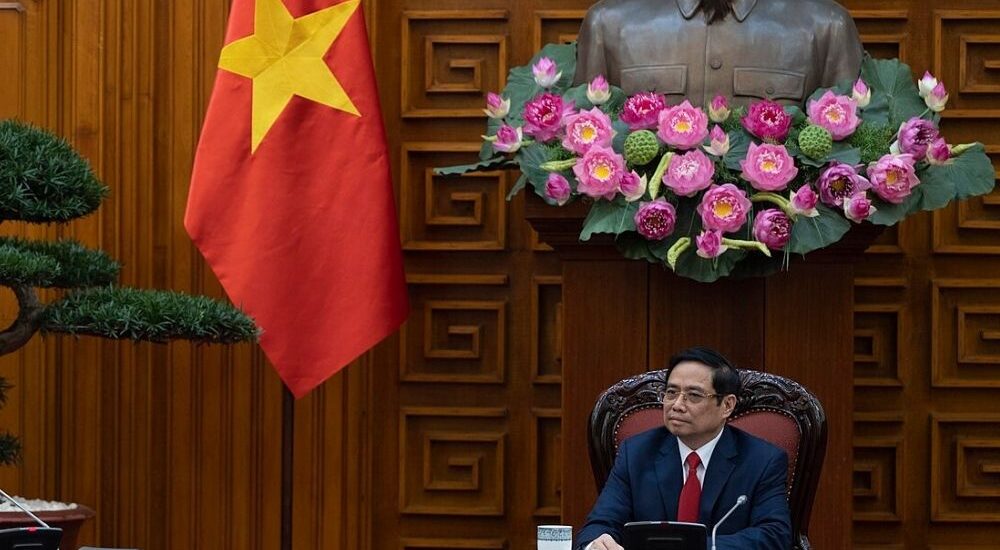
Vietnam’s Prime Minister Pham Minh Chinh’s visit to the headquarters of Nvidia and Synopsys carries significant implications for Vietnam’s ambition to bolster its semiconductor industry. Semiconductor manufacturing and technology are vital components of the global tech landscape, playing a critical role in various industries from consumer electronics to automotive and healthcare. By attracting investments and expertise from major players like Nvidia and Synopsys, Vietnam aims to advance its capabilities and become a significant player in this field.
Chinh’s invitation to U.S. tech firms to invest and conduct business in Vietnam underscores the country’s eagerness to create a conducive environment for foreign investments. This is a strategic move, positioning Vietnam as an attractive destination for tech companies looking to diversify their operations and supply chains. The recent visit by U.S. President Joe Biden and the discussions on improved bilateral relations have further strengthened this trajectory, with a focus on collaboration in emerging technologies such as artificial intelligence (AI), semiconductor development, and critical minerals.
Nvidia, a leading supplier of servers to Vietnam, expressed interest in collaborating with Vietnam in semiconductors, information technology, and AI. Such collaborations can lead to the transfer of technological expertise and know-how, boosting Vietnam’s capabilities in semiconductor manufacturing. Synopsys, with its plans to establish chip design centers in Vietnam, signifies a long-term commitment to leveraging Vietnam’s potential as a hub for chip design and development.
Vietnam already hosts major semiconductor manufacturing facilities, notably Intel’s largest assembly, packaging, and testing facility in the country. The presence of global tech giants and their continued investments in Vietnam underscores the country’s growing importance in the global tech supply chain. Rival company Amkor is also establishing a significant semiconductor assembly and testing facility, enhancing Vietnam’s manufacturing capabilities.
As Prime Minister Chinh embarks on this journey to strengthen ties with major tech players, it’s evident that Vietnam is actively positioning itself to be a significant player in the global semiconductor arena. The collaboration and investments from Nvidia, Synopsys, Intel, and others will not only boost Vietnam’s economy but also contribute to the advancement of technology and innovation on a global scale.
By QUATRO Strategies International Inc.
QUATRO Strategies International Inc. is the leading business insights and corporate strategy company based in Toronto, Ontario. Through our unique services, we counsel our clients on their key strategic issues, leveraging our deep industry expertise and using analytical rigor to help them make informed decisions to establish a competitive edge in the marketplace.
Interested in learning more?
Sign up for Top Insights Today

Top Insights Today delivers the latest insights straight to your inbox.
You will get daily industry insights on
Oil & Gas, Rare Earths & Commodities, Mining & Metals, EVs & Battery Technology, ESG & Renewable Energy, AI & Semiconductors, Aerospace & Defense, Sanctions & Regulation, Business & Politics.
Read more insights
Vietnam benefits from US-China trade war with record trade surplus
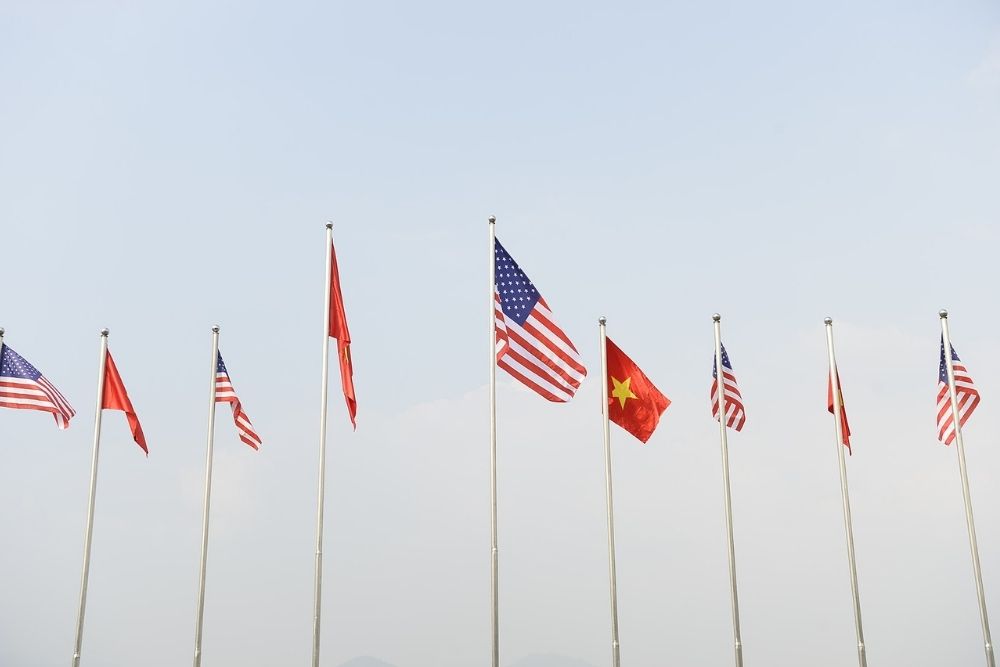
As the United States escalates its efforts to reduce trade with China by increasing tariffs, it has significantly boosted imports from Vietnam, which relies heavily on Chinese inputs for much of its exports. This shift has dramatically expanded trade imbalances, with Vietnam posting a trade surplus with the U.S. close…

Big buyers push mining companies to reduce environmental impact
Mining companies play a vital role in producing essential metals for electric car batteries and solar panels, but this process is energy-intensive and contributes to greenhouse gas emissions, accounting for about four to seven percent of global emissions. As pressure mounts on mining companies to reduce…
Wind-powered electricity poised to surpass 10% of global output by year-end
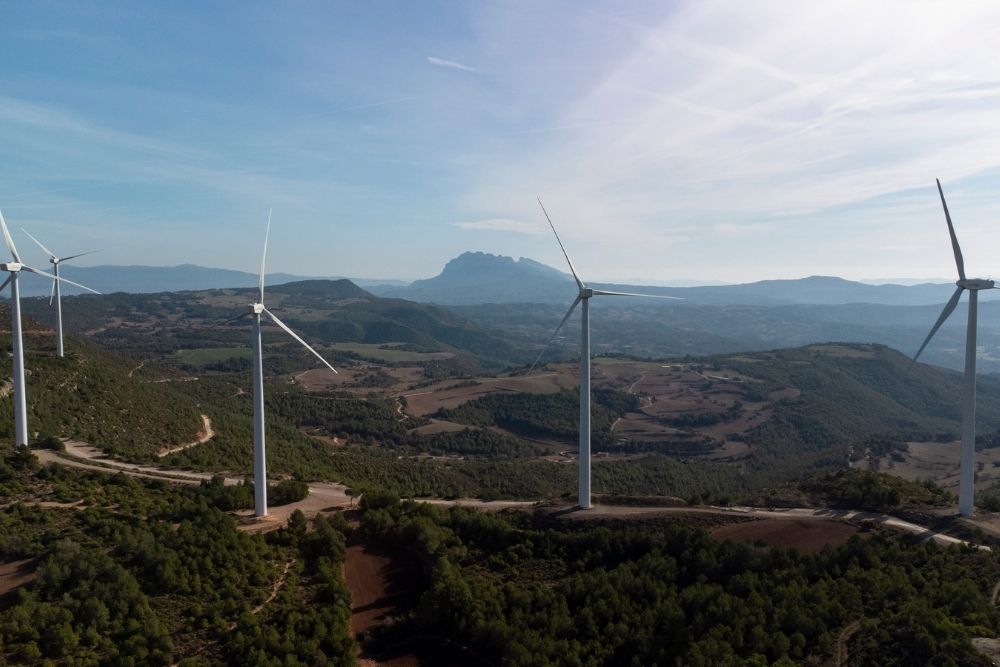
Global wind-powered electricity generation is poised to hit a record high in 2024, driven by seasonal wind patterns and an increasing share of the global electricity market. As winter approaches in the northern hemisphere, wind speeds typically pick up, fueling a surge in electricity generation from wind farms, particularly…