
Vietnam invites U.S. chipmakers for investment to boost semiconductor industry
- September 19, 2023
- Posted by: Quatro Strategies
- Categories: AI & Semiconductors, Asia Pacific, United States
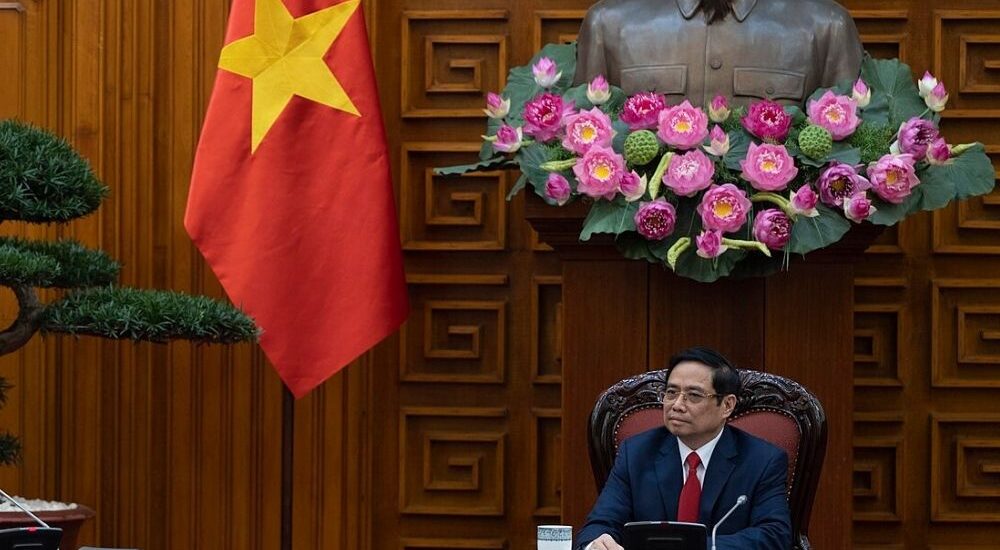
Vietnam’s Prime Minister Pham Minh Chinh’s visit to the headquarters of Nvidia and Synopsys carries significant implications for Vietnam’s ambition to bolster its semiconductor industry. Semiconductor manufacturing and technology are vital components of the global tech landscape, playing a critical role in various industries from consumer electronics to automotive and healthcare. By attracting investments and expertise from major players like Nvidia and Synopsys, Vietnam aims to advance its capabilities and become a significant player in this field.
Chinh’s invitation to U.S. tech firms to invest and conduct business in Vietnam underscores the country’s eagerness to create a conducive environment for foreign investments. This is a strategic move, positioning Vietnam as an attractive destination for tech companies looking to diversify their operations and supply chains. The recent visit by U.S. President Joe Biden and the discussions on improved bilateral relations have further strengthened this trajectory, with a focus on collaboration in emerging technologies such as artificial intelligence (AI), semiconductor development, and critical minerals.
Nvidia, a leading supplier of servers to Vietnam, expressed interest in collaborating with Vietnam in semiconductors, information technology, and AI. Such collaborations can lead to the transfer of technological expertise and know-how, boosting Vietnam’s capabilities in semiconductor manufacturing. Synopsys, with its plans to establish chip design centers in Vietnam, signifies a long-term commitment to leveraging Vietnam’s potential as a hub for chip design and development.
Vietnam already hosts major semiconductor manufacturing facilities, notably Intel’s largest assembly, packaging, and testing facility in the country. The presence of global tech giants and their continued investments in Vietnam underscores the country’s growing importance in the global tech supply chain. Rival company Amkor is also establishing a significant semiconductor assembly and testing facility, enhancing Vietnam’s manufacturing capabilities.
As Prime Minister Chinh embarks on this journey to strengthen ties with major tech players, it’s evident that Vietnam is actively positioning itself to be a significant player in the global semiconductor arena. The collaboration and investments from Nvidia, Synopsys, Intel, and others will not only boost Vietnam’s economy but also contribute to the advancement of technology and innovation on a global scale.
By QUATRO Strategies International Inc.
QUATRO Strategies International Inc. is the leading business insights and corporate strategy company based in Toronto, Ontario. Through our unique services, we counsel our clients on their key strategic issues, leveraging our deep industry expertise and using analytical rigor to help them make informed decisions to establish a competitive edge in the marketplace.
Interested in learning more?
Sign up for Top Insights Today

Top Insights Today delivers the latest insights straight to your inbox.
You will get daily industry insights on
Oil & Gas, Rare Earths & Commodities, Mining & Metals, EVs & Battery Technology, ESG & Renewable Energy, AI & Semiconductors, Aerospace & Defense, Sanctions & Regulation, Business & Politics.
Read more insights
Schwedt crisis averted for now, but Germany’s oil reroute remains fragile
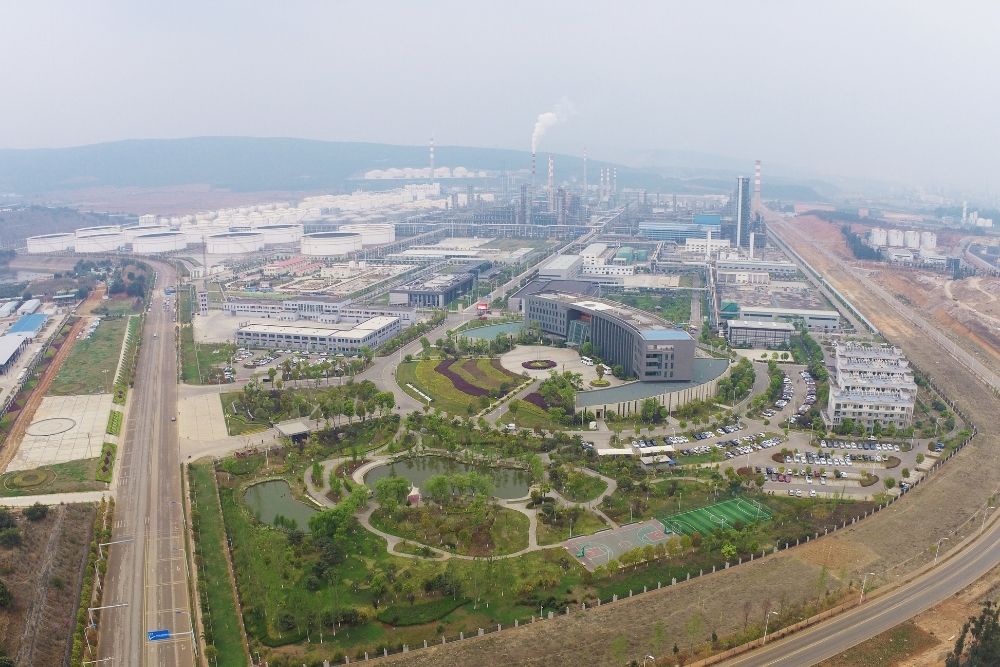
Germany is trying to contain what could have become a serious fuel-supply shock around Berlin by stitching together replacement crude flows for the PCK Schwedt refinery after Russia said it would halt deliveries through the Druzhba pipeline from May 1. The immediate picture is less severe than feared: Brandenburg officials said up to 80% of Schwedt’s crude needs are secured for May, allowing the refinery to keep operating at a relatively stable level while Berlin searches for additional barrels.
The background matters here because Schwedt has been one of Germany’s most politically sensitive refineries since the rupture with Russian energy after 2022. The plant is crucial to fuel supply in northeastern Germany and parts of Poland, and it has already been operating in a more fragile way since Germany took control of the refinery from Rosneft in 2022 without fully resolving the ownership issue.
U.S. escalates resource sovereignty drive with permitting push on 10 mines
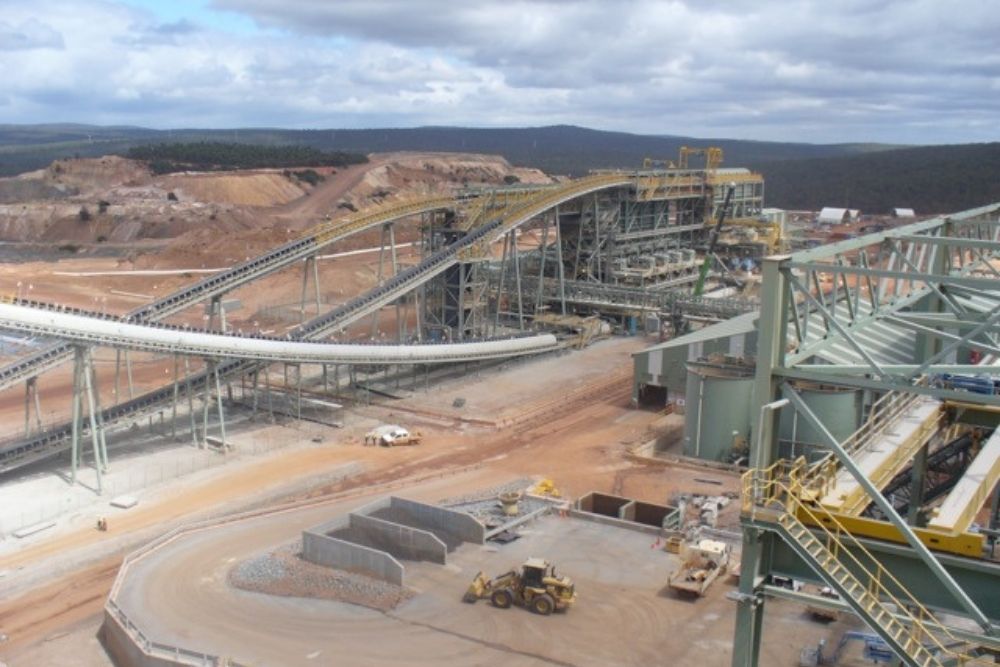
The Trump administration’s decision to fast-track permitting for 10 U.S. mining projects marks a significant escalation in its strategy to build out domestic production of critical minerals amid an intensifying trade and technology rivalry with China. The move, announced Friday by the White House, grants the selected projects FAST-41 status—a designation meant to streamline federal environmental review and permitting processes for infrastructure deemed essential to national interest.
These 10 projects span a range of strategic minerals and metals, including copper, antimony, lithium, and metallurgical coal—resources crucial for defense, electronics, renewable energy, and battery storage applications.

UK plans military bolstering amid growing threats from global adversaries
The United Kingdom has announced plans to bolster its armed forces in response to growing threats from China, Iran, North Korea, and Russia, collectively referred to as a “deadly quartet.” This initiative is part of a comprehensive defense review led by George Robertson, former NATO Secretary General and British Defense…