
Volkswagen in talks to supply EV components to India’s Mahindra
- September 5, 2023
- Posted by: Quatro Strategies
- Categories: Europe, EVs & Battery Technology, India
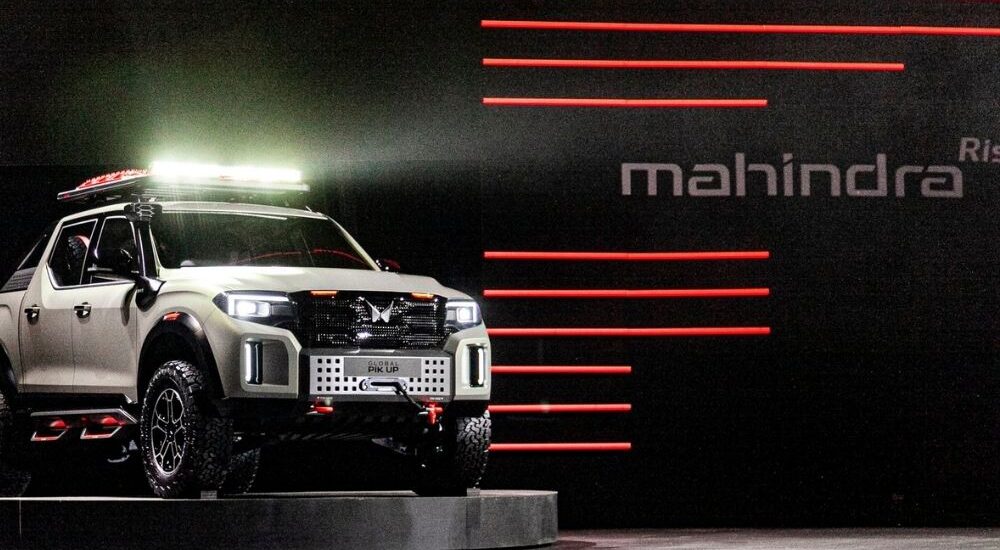
Volkswagen (VW) has entered advanced discussions with Mahindra & Mahindra, an Indian car manufacturer, regarding the utilization of significant electric components from VW’s Modular Electric Drive (MEB) platform. This platform, known as an open framework for electric vehicles (EVs), underpins VW’s electric models, as well as those from other VW Group entities such as Audi and Skoda. Mahindra intends to incorporate central MEB components like electric drive units and battery cells into its own EVs. In August, VW and Mahindra signed a term sheet in which VW would supply electric components to Mahindra. Additionally, VW is reportedly engaged in conversations with other businesses looking to adopt its EV technology.
Volkswagen has been actively developing and implementing its MEB platform as part of its strategy to transition towards electric mobility. By opening up this platform for other manufacturers, VW aims to become a major supplier of electric technology and components to the broader automotive industry. VW’s partnership with Mahindra represents a significant step in this direction, as it will allow the Indian automaker to access key components of the MEB platform for its electric vehicle offerings.
VW’s MEB platform is known for its modularity and scalability, making it suitable for various types of electric vehicles, from compact cars to larger SUVs. The platform has garnered significant attention within the automotive industry due to its potential to streamline the development and production of electric vehicles. As global demand for electric mobility continues to grow, partnerships like the one between VW and Mahindra are becoming increasingly important for automakers seeking to expand their electric vehicle portfolios.
While VW and Mahindra’s collaboration is progressing, the automotive industry is witnessing a broader trend of companies exploring partnerships and collaborations to accelerate their electric vehicle initiatives. These partnerships often involve the sharing of technology, components, and production capabilities, enabling companies to bring electric vehicles to market more efficiently and cost-effectively. As the shift towards electric mobility intensifies, such collaborations are likely to become more common across the industry, facilitating the broader adoption of electric vehicles on a global scale.
Interested in learning more?
Sign up for Top Insights Today

Top Insights Today delivers the latest insights straight to your inbox.
You will get daily industry insights on
Oil & Gas, Rare Earths & Commodities, Mining & Metals, EVs & Battery Technology, ESG & Renewable Energy, AI & Semiconductors, Aerospace & Defense, Sanctions & Regulation, Business & Politics.
Read more insights

Starmer aims for China access without triggering a transatlantic rupture
Keir Starmer’s arrival in Beijing on Wednesday with a deliberately mixed delegation, consisting of City of London finance, cultural “soft power” figures, and manufacturing leadership, signals a classic UK objective in a less forgiving geopolitical environment: deepen commercial access to China, especially in services, without triggering a rupture either with domestic security hawks or with Donald Trump’s White House.
Starmer framed the visit in explicitly pragmatic terms, encouraging British firms to “seize opportunities” in the world’s second-largest economy, while also emphasizing that engagement must be bounded by national-security guardrails after years in which UK-China ties were battered by disputes over Hong Kong, espionage allegations, and strategic technology concerns.
GE Vernova to build C$70M SMR hub in Ontario
Ontario is set to become the global hub for a new generation of nuclear technology, with the province poised to host the world’s first service center dedicated to small modular reactors (SMRs).
GE Vernova Hitachi Nuclear Energy is investing C$70 million (US$51 million) to build the facility just outside Toronto, marking a significant milestone in Canada’s push to modernize its electricity grid and prepare for the exponential growth in power demand — much of it driven by energy-hungry technologies like artificial intelligence.
Grid connection bottleneck threatens Europe’s wind energy expansion
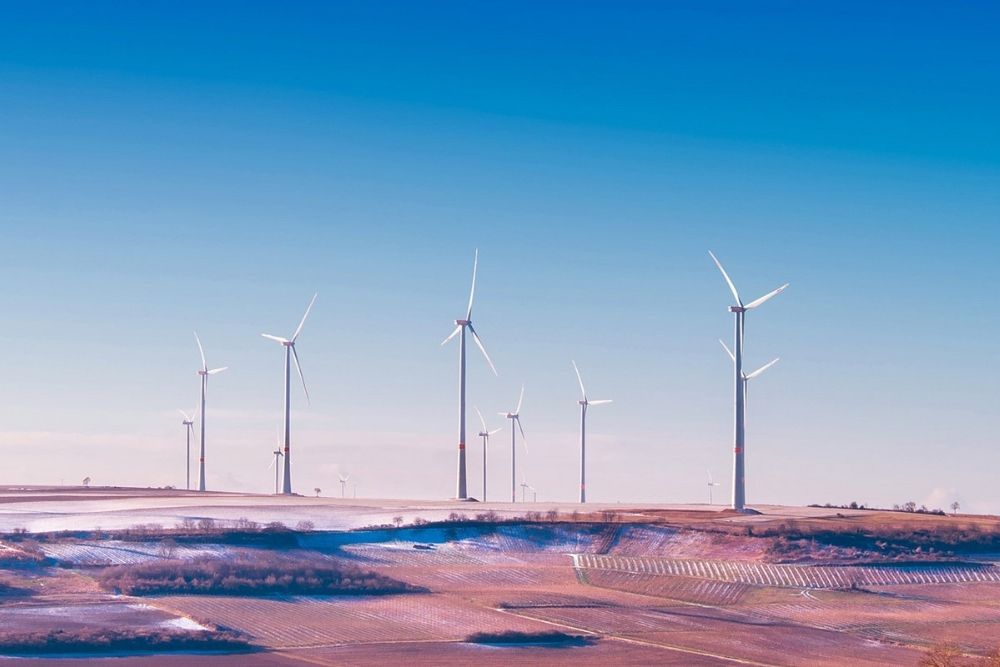
Hundreds of gigawatts of wind energy projects are currently awaiting permits to connect to Europe’s power grid, creating a significant backlog that threatens to slow down the transition to renewable energy, according to WindEurope, an industry association. WindEurope highlights that gaining access to the power grid…