
Xi to attend BRICS Summit in South Africa next week
- August 18, 2023
- Posted by: Quatro Strategies
- Categories: Africa, Business & Politics, China
Chinese President Xi Jinping is set to attend the BRICS leaders’ meeting and visit South Africa from August 21 to 24. The BRICS summit brings together leaders from Brazil, Russia, India, China, and South Africa, aiming to discuss ways to enhance their collective influence on the global stage.
The BRICS countries collectively account for a quarter of the global economy and are seeking to challenge the dominance of Western powers in global affairs. The leaders’ meeting in Johannesburg will focus on expanding the group’s influence and potentially welcoming new members.
Russian President Vladimir Putin, who faces an international arrest warrant over alleged war crimes in Ukraine, will attend the summit via a video call instead of being present in person.
Approximately 40 nations have expressed interest in joining BRICS, either formally or informally, with countries like Saudi Arabia, Argentina, and Egypt showing interest. China has been supportive of expansion as it aims to increase its global influence, while Russia is also in favor of expansion. However, Brazil is cautious about expansion, fearing that it could dilute the club’s standing. India’s stance on expansion remains uncertain.
In addition to participating in the BRICS meeting, President Xi will co-chair the China-Africa Leaders’ Dialogue with South African President Cyril Ramaphosa. This reflects China’s ongoing efforts to strengthen its relationships with African nations and promote its geopolitical influence in the region.
Interested in learning more?
Sign up for Top Insights Today

Top Insights Today delivers the latest insights straight to your inbox.
You'll get daily industry insights on
Energy, Cleantech, Oil & Gas, Mining, Defense, Aviation, Construction, Transportation, Online Retail, Bigtech, Finance and Politics of Business
Read more insights
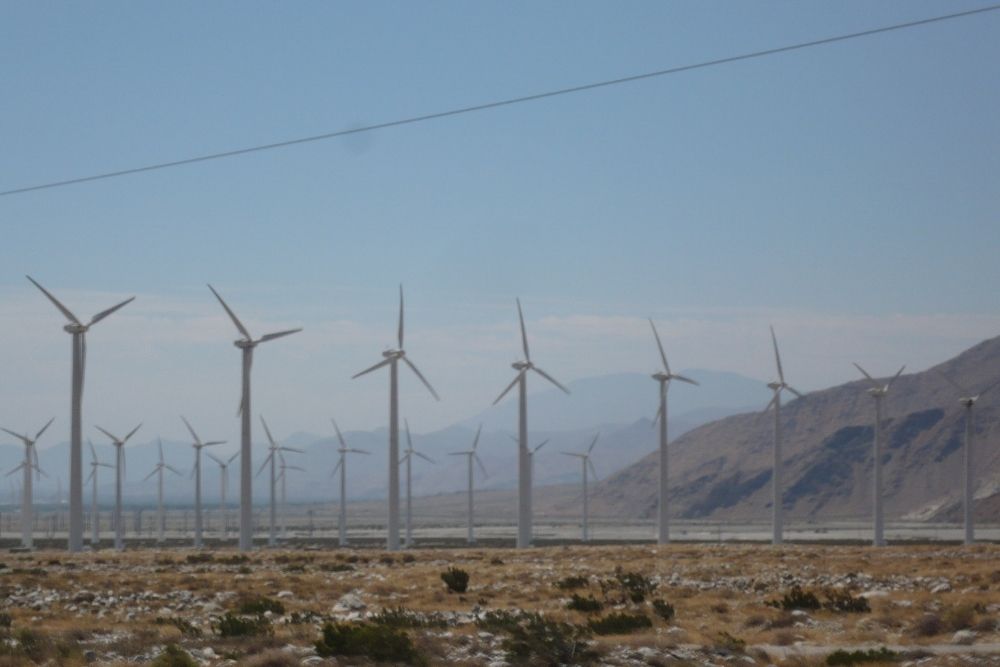
Europe’s electrification push stalls on expensive power
Europe has one answer for nearly every major energy challenge, electrify, and one problem that undermines the answer at every turn: the electricity Europeans are asked to embrace costs roughly three times the gas they are asked to abandon.
The Commission’s vision of the world’s first electro-powered continent, targeting the doubling of electricity’s share of the final consumption from today’s twenty-three percent, confronts the economic contradiction the strategy’s own architects acknowledge, the price differential that converts the theoretically compelling transition, the efficient motors, the multiplying heat pumps, and the emission-free processes, into the practically postponed one.
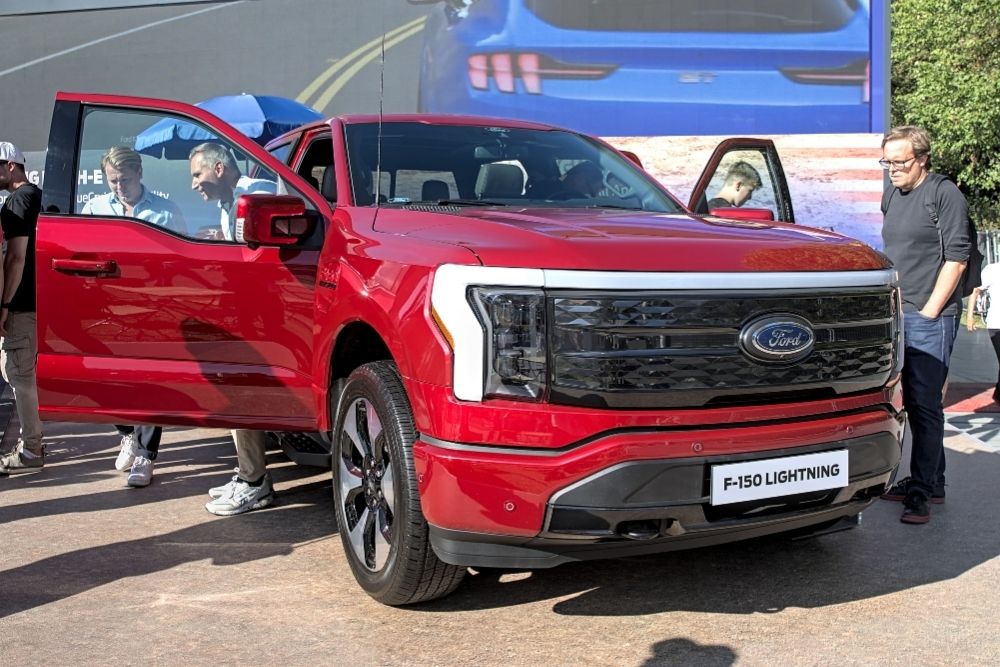
Ford’s lightweight truck strategy runs into a hard aluminum reality
Ford’s aluminum-heavy truck strategy, once one of the company’s biggest engineering advantages, is now turning into one of its clearest cost and supply vulnerabilities. The immediate problem is not a collapse in demand. It is that a sharp global tightening in aluminum supply, worsened by the Iran war, U.S. tariff policy, and production disruptions at a key supplier, is constraining the availability of the metal that underpins Ford’s most important profit engine: the F-Series pickup franchise.
Ford has doubled its expected 2026 commodity-cost headwind to $2 billion, with aluminum a major driver, while disruptions at Novelis’ Oswego, New York, plant have continued to weigh on truck production and inventories.
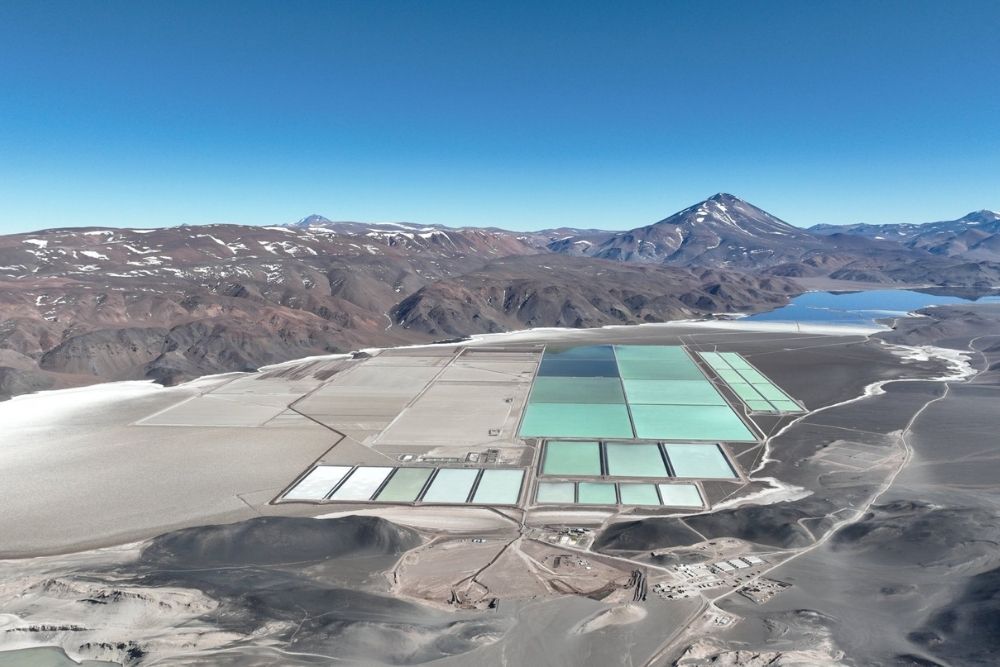
Lithium markets rattle as China’s Zangge faces environmental shutdown
The sudden suspension of lithium production at a major Chinese facility underscores growing tensions between Beijing’s environmental enforcement push and its ambitions to dominate global battery supply chains. On Thursday, Zangge Mining, a key lithium producer in Qinghai province and a subsidiary of Zijin Mining, confirmed it had been ordered by local authorities to halt operations due to non-compliance issues.
The exact nature of the violations was not disclosed, but the move caused a noticeable surge in lithium carbonate futures, which spiked over 4% on the Guangzhou futures exchange.