
U.S. approves potential $975 million HIMARS sales to Australia
- August 19, 2023
- Posted by: Quatro Strategies
- Categories: Aerospace & Defense, Asia Pacific, United States
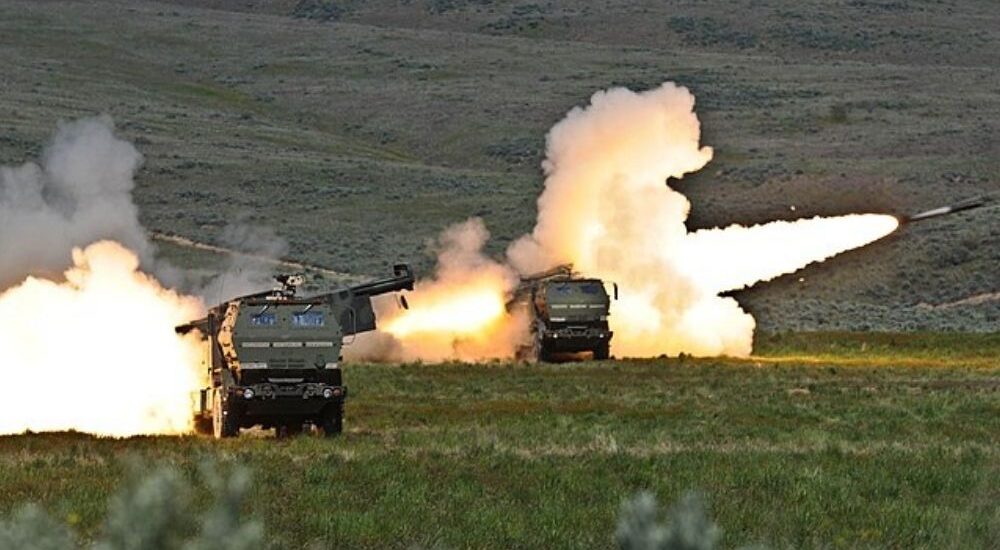
The Biden administration has revealed its intention to sell High Mobility Artillery Rocket Systems (HIMARS) to Australia in a deal valued at up to A$1.5 billion ($975 million). This move is part of the effort to strengthen the alliance between the United States and Australia and counter China’s expanding military presence in the Indo-Pacific region.
The proposed sale includes 22 M142 High Mobility Artillery Rocket Systems, 60 Guided Multiple Launch Rocket Systems, and various other munitions. However, the sale still requires approval from the US Congress and finalization of contracts.
The State Department has stated that Australia intends to use this capability to enhance its homeland defense and safeguard critical infrastructure. They also mentioned that the sale would not significantly alter the military balance in the region.
The US and Australia have been working to enhance their military cooperation, especially in response to the growing influence of China’s military capabilities. In July, both countries announced plans to increase the US military presence in Australia, which includes more frequent visits by US submarines and collaboration on guided missile production.
This move aligns with President Joe Biden’s focus on strengthening relationships with allies and addressing security challenges posed by China. The upcoming visit of Australia’s Prime Minister Anthony Albanese to the US in October is expected to further solidify these efforts.
Interested in learning more?
Sign up for Top Insights Today

Top Insights Today delivers the latest insights straight to your inbox.
You will get daily industry insights on
Oil & Gas, Rare Earths & Commodities, Mining & Metals, EVs & Battery Technology, ESG & Renewable Energy, AI & Semiconductors, Aerospace & Defense, Sanctions & Regulation, Business & Politics.
Read more insights
Japan aligns with U.S. and EU on trade enforcement with China steel investigation
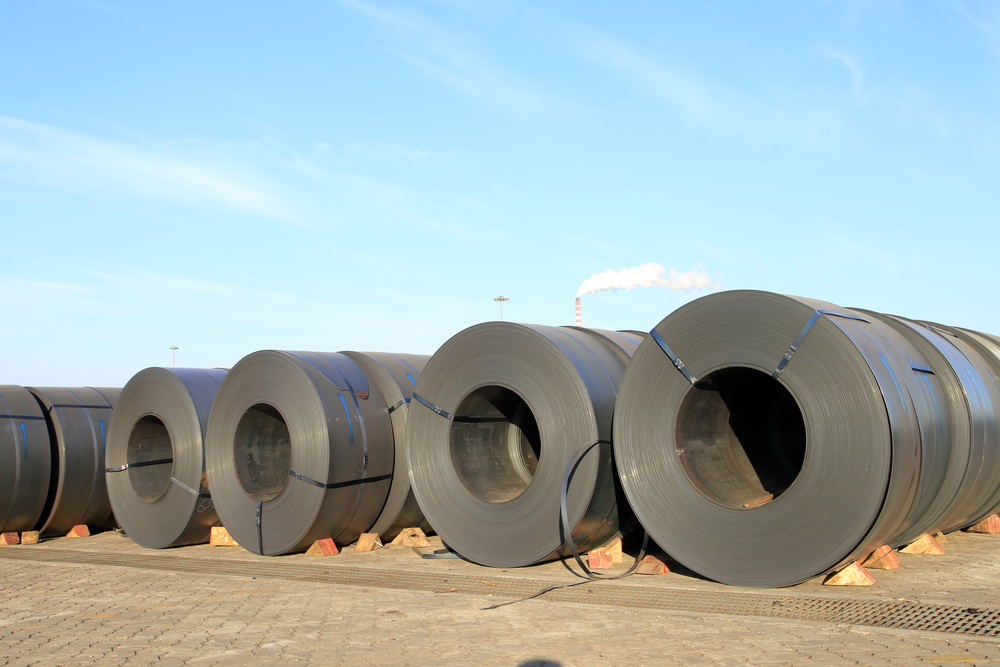
Japan’s decision to launch an anti-dumping investigation into nickel-based stainless cold-rolled steel sheets and strips imported from China and Taiwan signals a growing willingness by Tokyo to shield its industrial base from global overcapacity, particularly that emanating from China, and aligns it more closely with international efforts to counter market distortions caused by Chinese steel exports.
The investigation, jointly announced by the Ministry of Economy, Trade and Industry (METI) and the Ministry of Finance, follows a petition by Nippon Steel and other Japanese steelmakers. These domestic producers argue they have been compelled to lower prices to compete with artificially cheap imports, eroding their profitability amid rising production costs.

World Bank slashes 2025 global growth forecast amid rising geopolitical uncertainty
The World Bank has sharply downgraded its global growth outlook for 2025, warning that an increasingly fragmented trade environment and persistent uncertainty—exacerbated by U.S. tariff escalation—are weighing heavily on global economic momentum. In its Global Economic Prospects report released Tuesday, the Bank cut its global GDP growth forecast to just 2.3%, down 0.4 percentage points from its prior estimate and the weakest expansion outside of a global recession since the 2008 financial crisis.
The revision reflects downgraded forecasts for nearly 70% of countries and regions, including major economies such as the United States, China, and the European Union, as well as all six major emerging market regions.
Shipping industry braces for prolonged Red Sea disruptions
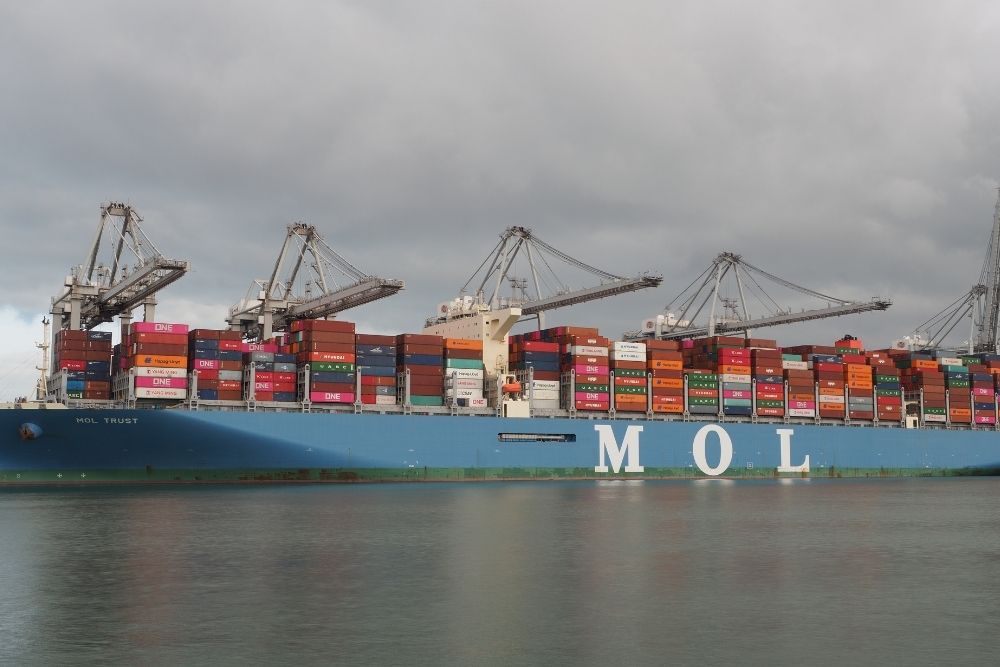
Security threats to commercial shipping in the Red Sea are intensifying rather than abating, with disruptions to maritime trade expected to persist for up to a year, according to major shipping companies. Due to heightened missile attacks by Iran-backed Houthi militants in Yemen, commercial…