
BAE Systems buys Ball’s aerospace assets for $5.55 billion
- August 20, 2023
- Posted by: Quatro Strategies
- Categories: Aerospace & Defense, Europe, United States
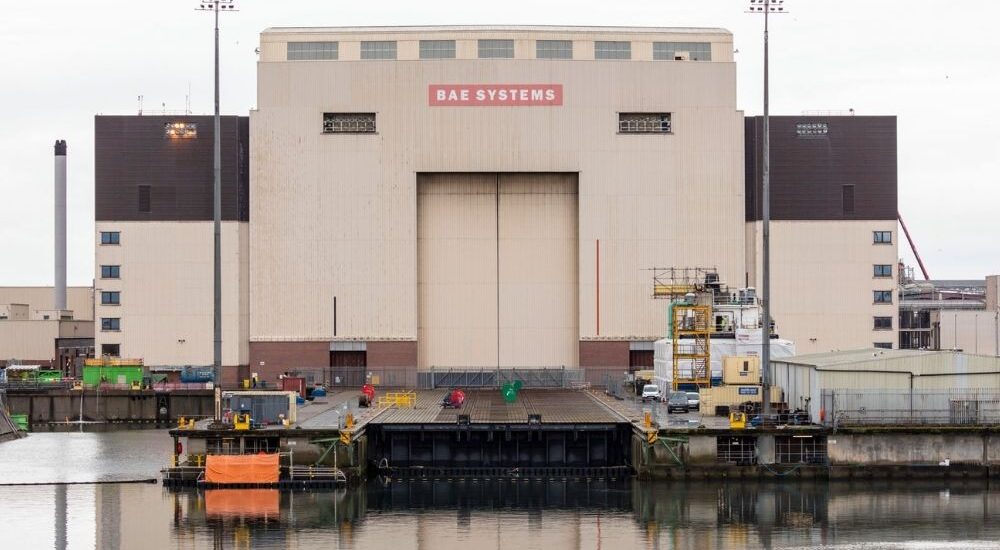
British defense company BAE Systems has embarked on its largest-ever deal, agreeing to purchase aerospace assets from Ball Corp for approximately $5.55 billion in cash. The acquisition signifies BAE’s strategic move to extend its influence in critical domains such as space, national security, and intelligence. Ball Corp’s aerospace operations specialize in manufacturing spacecraft, instruments, and sensors used in both defense and civil satellites, serving purposes ranging from tracking space objects to monitoring weather patterns and climate changes.
This transaction follows reports from July that highlighted competition between private equity firms such as Blackstone and Veritas Capital Fund Management and major defense players including BAE, General Dynamics, and Textron, all vying to secure Ball Corp’s aerospace business. BAE intends to finance the acquisition through a combination of new debt issuance and existing cash resources. The deal is anticipated to conclude in the first half of 2024 and is expected to yield positive impacts on BAE’s earnings per share and margins within the first year post-completion.
Despite a temporary drop of up to 4.9% in BAE’s stock value in response to the acquisition announcement, Ball Corp’s shares experienced a 2.7% surge in premarket trading. This strategic move aligns closely with BAE’s corporate objectives, providing complementary capabilities, robust growth prospects, and alignment with the company’s existing portfolio. Ball Corp’s aerospace operations yielded approximately $1.98 billion in revenue, accounting for around 13% of the firm’s consolidated net sales in the preceding year.
BAE’s decision to acquire Ball Corp’s aerospace assets underscores the company’s commitment to expanding its footprint in critical sectors driven by technological advancements and evolving geopolitical dynamics. The aerospace industry’s relevance in areas such as space exploration, national security, and climate monitoring has grown, prompting BAE to capitalize on the opportunities presented by Ball Corp’s aerospace assets.
As BAE CEO Charles Woodburn stated, “It’s rare that a business of this quality, scale, and complementary capabilities, with strong growth prospects and a close fit to our strategy, becomes available.” This acquisition positions BAE to further strengthen its capabilities and offerings in crucial sectors, supporting its ongoing growth and strategic initiatives.
Interested in learning more?
Sign up for Top Insights Today

Top Insights Today delivers the latest insights straight to your inbox.
You will get daily industry insights on
Oil & Gas, Rare Earths & Commodities, Mining & Metals, EVs & Battery Technology, ESG & Renewable Energy, AI & Semiconductors, Aerospace & Defense, Sanctions & Regulation, Business & Politics.
Read more insights
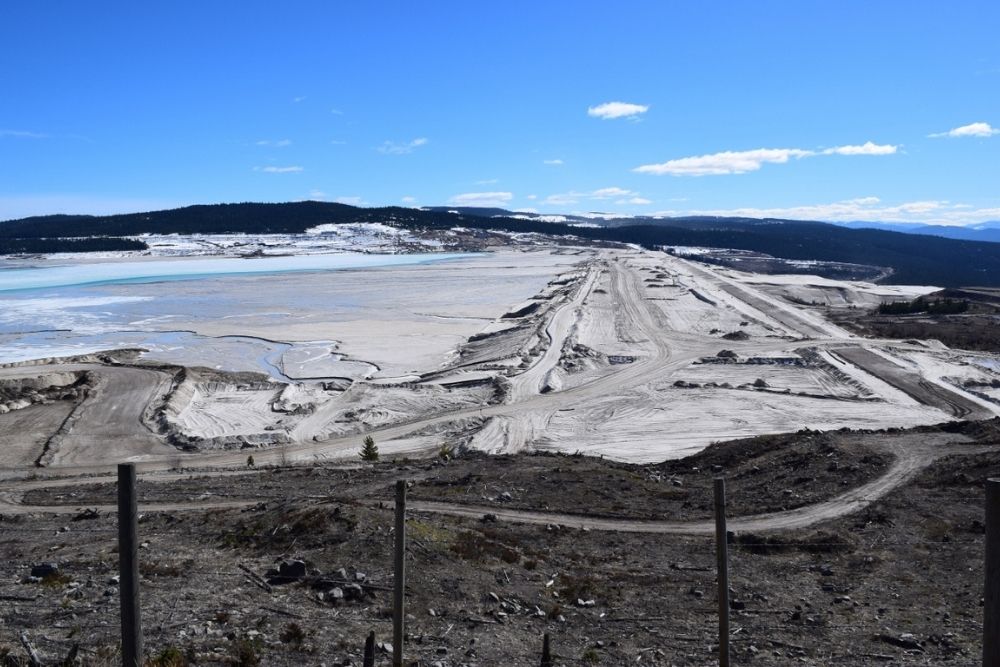
Re-mining and AI could shift global power in critical mineral supply chains
The global drive to abandon fossil fuels and embrace electrification has thrust copper and other critical minerals into the center of industrial and geopolitical strategy. Every solar panel, wind turbine, and electric vehicle requires vast amounts of copper wiring and permanent magnets, while broader infrastructure, from transmission lines to battery storage, depends on a steady flow of metals.
Yet the mining industry is entering this new age of demand under pressure: copper ore grades are declining, giant new discoveries are scarce, and even when they are made, development timelines stretch across a decade or more. That mismatch between demand projections and supply realities has triggered a wave of experimentation within one of the world’s oldest industries.
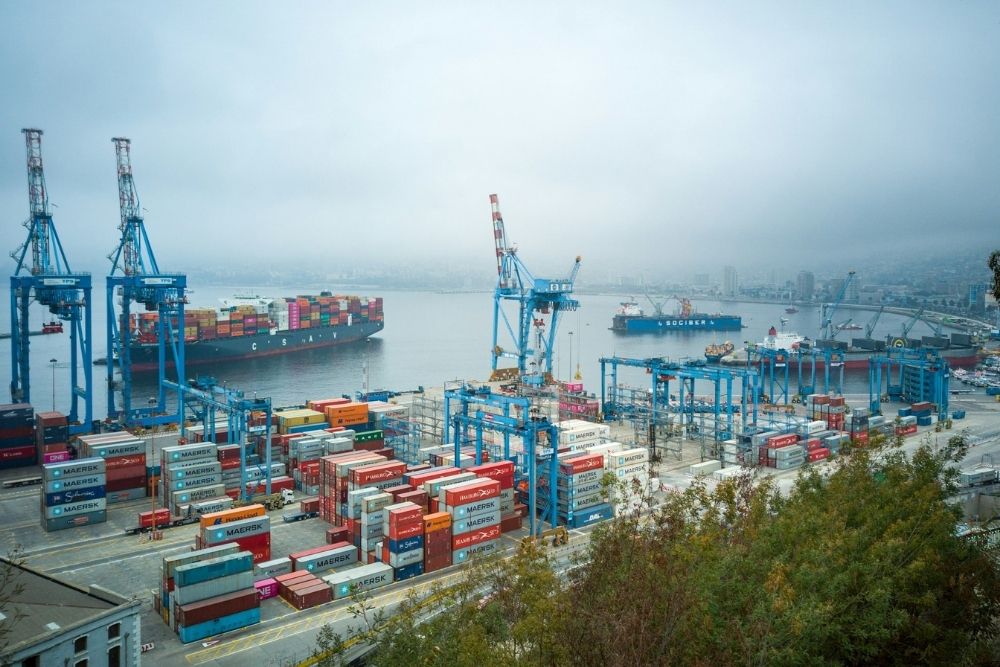
Logistics surge as temporary U.S.-China tariff truce sparks shipping frenzy
A temporary easing of trade tensions between the United States and China has set off a rapid surge in Chinese export activity, as manufacturers and logistics operators rush to capitalize on a narrow window of reduced tariffs before the 90-day truce expires. The spike, concentrated in mid-May, is the clearest signal yet of the disruptive influence of President Donald Trump’s trade policies on global commerce and the fragility of U.S.-China supply chains.
In the week starting May 12—just as Washington and Beijing agreed to temporarily scale back tariffs—bookings on vessels departing China for the U.S. more than doubled to 228,000 TEUs (twenty-foot equivalent units). That’s a sharp rebound after weeks of cautious inventory management amid tariff uncertainty.

White House to rip up Biden fuel rules and hands a lifeline to gasoline vehicles
The Trump administration is moving to tear up one of Biden’s core climate tools and re-orient U.S. car policy back toward gasoline, even if it means Americans burn far more fuel and automakers slow-walk electrification. The new proposal from the National Highway Traffic Safety Administration would radically weaken federal fuel-economy rules for model years 2022-2031.
Instead of steering the fleet toward roughly 50.4 miles per gallon by 2031, NHTSA would now aim for only about 34.5 mpg, with tiny annual increases of just 0.25%–0.5%. On top of that, the agency wants to retrospectively soften the standards for recent model years, making it much easier for companies to show compliance.