
Australia earmarks five lithium mines for Indian companies
- August 21, 2023
- Posted by: Quatro Strategies
- Categories: Asia Pacific, India, Mining & Metals
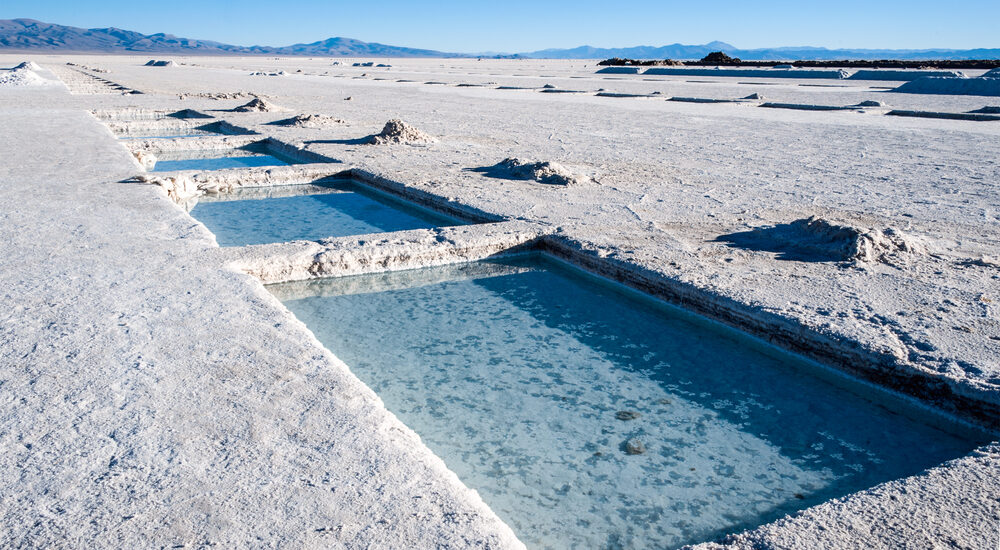
Australian authorities have identified at least five mines containing lithium and cobalt, and these resources have been earmarked for Indian entities, led by the state-owned Khanij Bidesh India (KABIL). KABIL is a joint venture involving state-run entities like NALCO, Hindustan Copper, and the Mineral Exploration Corporation. This development is a positive step for India’s efforts to secure essential minerals from abroad.
The collaboration between India and Australia, initiated after the Covid-19 outbreak, aims to establish a resilient supply chain and reduce dependency on China. The Economic Cooperation and Trade Agreement (ECTA), supported by KABIL and Australia’s Critical Minerals Office, is gaining momentum in this regard. Discussions for a dedicated chapter on critical minerals are expected to occur during an upcoming full free trade agreement (FTA) between the two countries.
India is also exploring similar opportunities in other countries like Mongolia, Argentina, and Chile, focusing on minerals such as copper and lithium. The Indian government is considering potential FTAs with Peru and Chile to secure critical minerals. In addition to securing the supply of these minerals, India is also taking steps to enhance domestic processing capabilities, particularly in areas where China dominates.
To support the processing of these minerals, India is inviting laboratories to contribute their expertise in developing technologies for mineral processing used in battery manufacturing. Recent amendments to the Mines and Minerals Act are expected to boost domestic mining efforts, with a focus on exploration and development. India’s investment in domestic mining is comparatively lower, and these efforts aim to increase investment and secure critical mineral resources for the nation’s energy transition and economic development.
Interested in learning more?
Sign up for Top Insights Today
Top Insights Today delivers the latest insights straight to your inbox.
You will get daily industry insights on
Oil & Gas, Rare Earths & Commodities, Mining & Metals, EVs & Battery Technology, ESG & Renewable Energy, AI & Semiconductors, Aerospace & Defense, Sanctions & Regulation, Business & Politics.
Read more insights
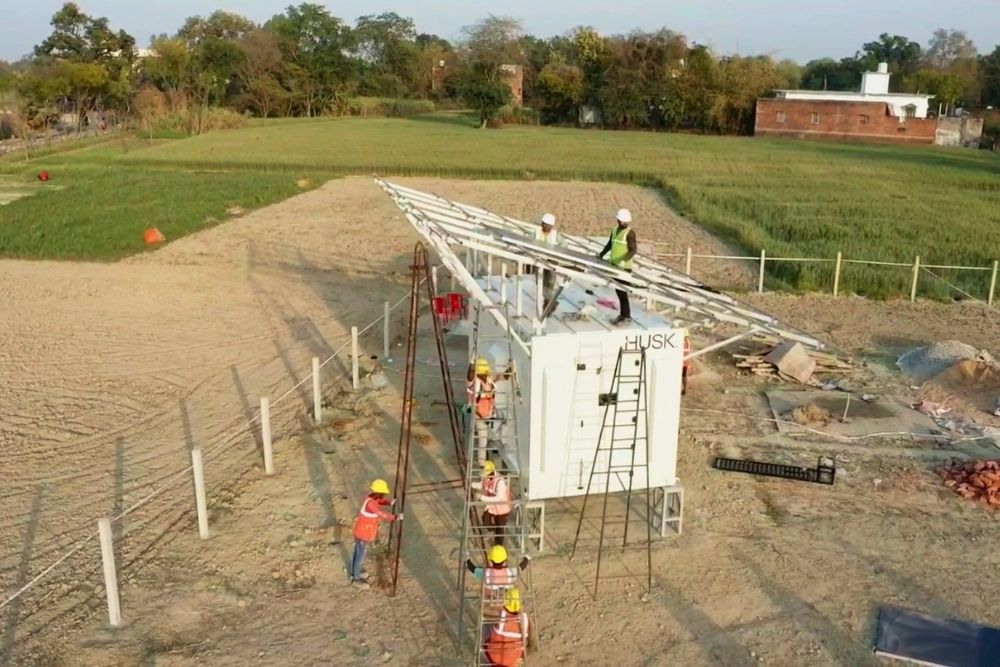
Trump Administration dismantles U.S. energy aid to Africa
The Trump administration has dismantled the U.S. Power Africa initiative, a program launched in 2013 by former President Barack Obama to expand electricity access across the African continent. Nearly all Power Africa programs have been terminated, and most of its staff have been fired…
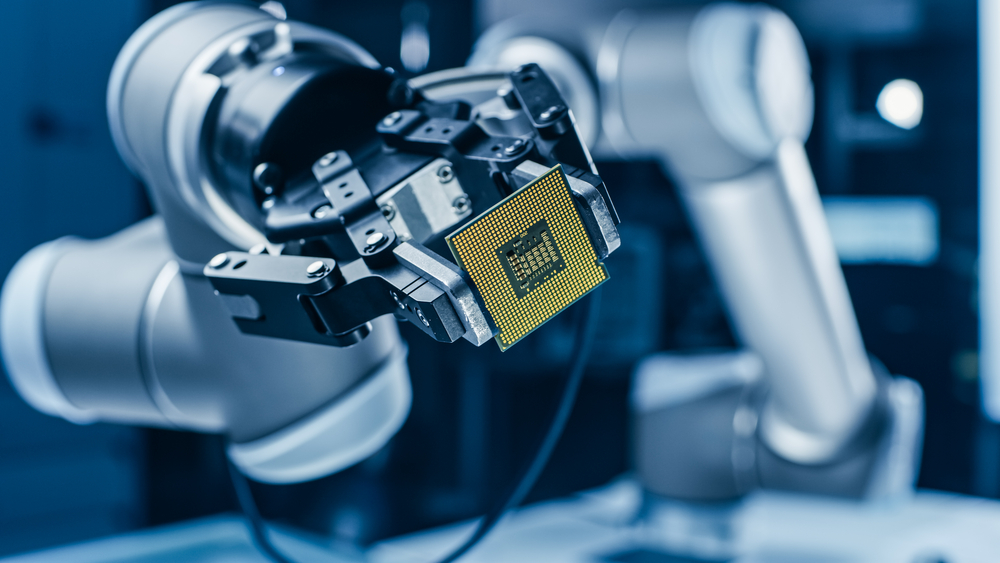
South Korea launches $19 billion initiative to boost semiconductor industry
South Korea announced a substantial 26 trillion won ($19 billion) support package aimed at bolstering its semiconductor industry amidst intense global competition. This initiative, led by President Yoon Suk Yeol, is designed to enhance South Korea’s capabilities in chip design and contract manufacturing, where it has…
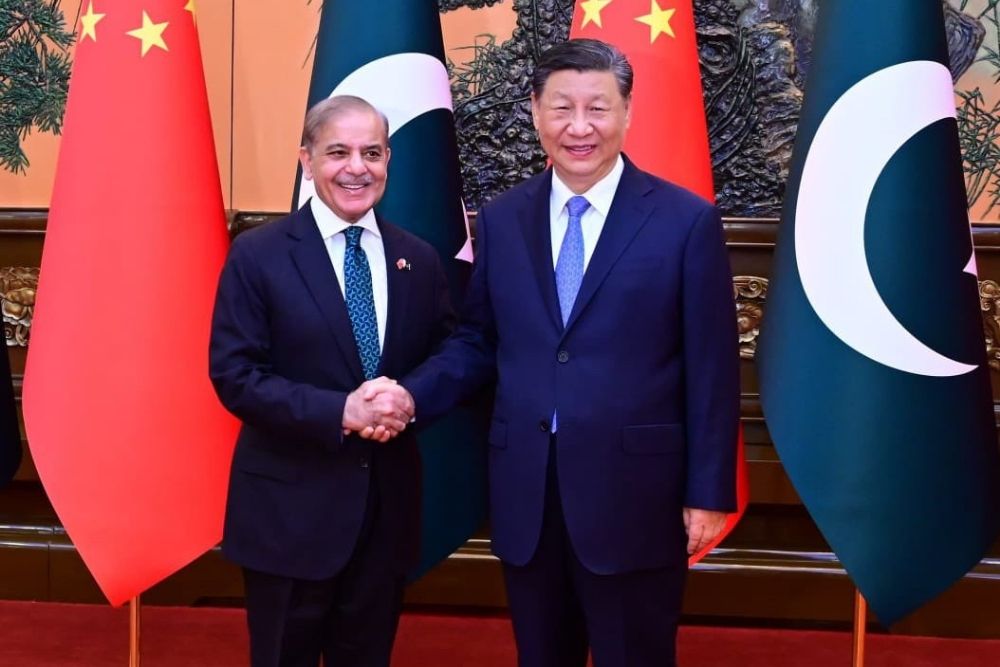
China and Pakistan agree on enhanced mining sector collaboration
China and Pakistan have agreed to enhance their cooperation in the mining sector and promote the implementation of a pact focused on strengthening mining development and industrial cooperation, according to a joint statement from the two countries. This agreement was reached during Pakistani Prime Minister…