
U.S. firm Apache to invest $1.4 billion in Egypt’s energy sector
- August 22, 2023
- Posted by: Quatro Strategies
- Categories: Africa, Oil & Gas
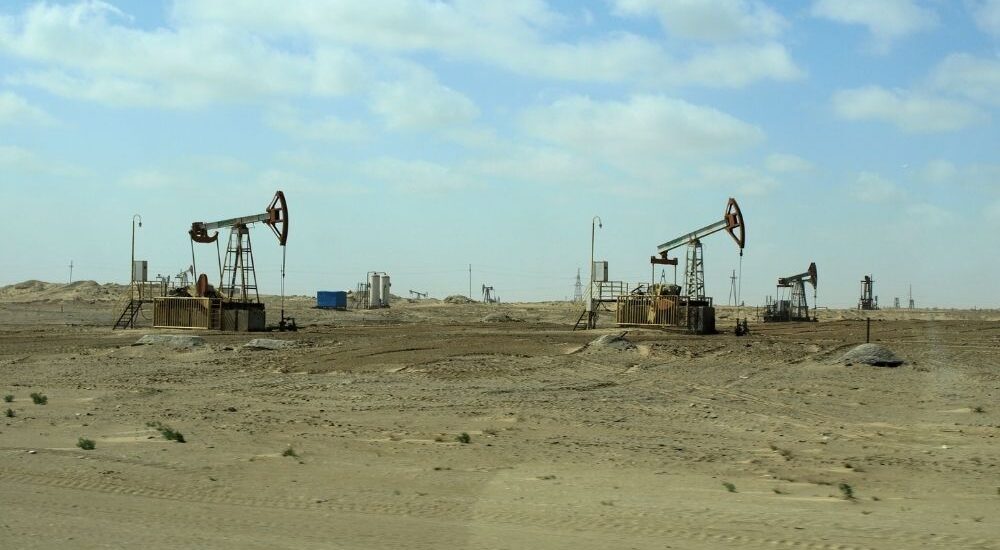
Apache Corporation has unveiled plans to invest $1.4 billion in Egypt’s energy industry next year. As one of the biggest foreign investors and the largest oil producer in Egypt, Apache’s investment aims to deepen its partnership with the country and expand its oil and gas exploration activities despite the global economic challenges.
The announcement was made during a meeting between Apache’s CEO John Christmann and Egyptian Prime Minister Mostafa Madbouly. The government of Egypt expressed hopes that Apache would continue to invest and increase its oil production in the country.
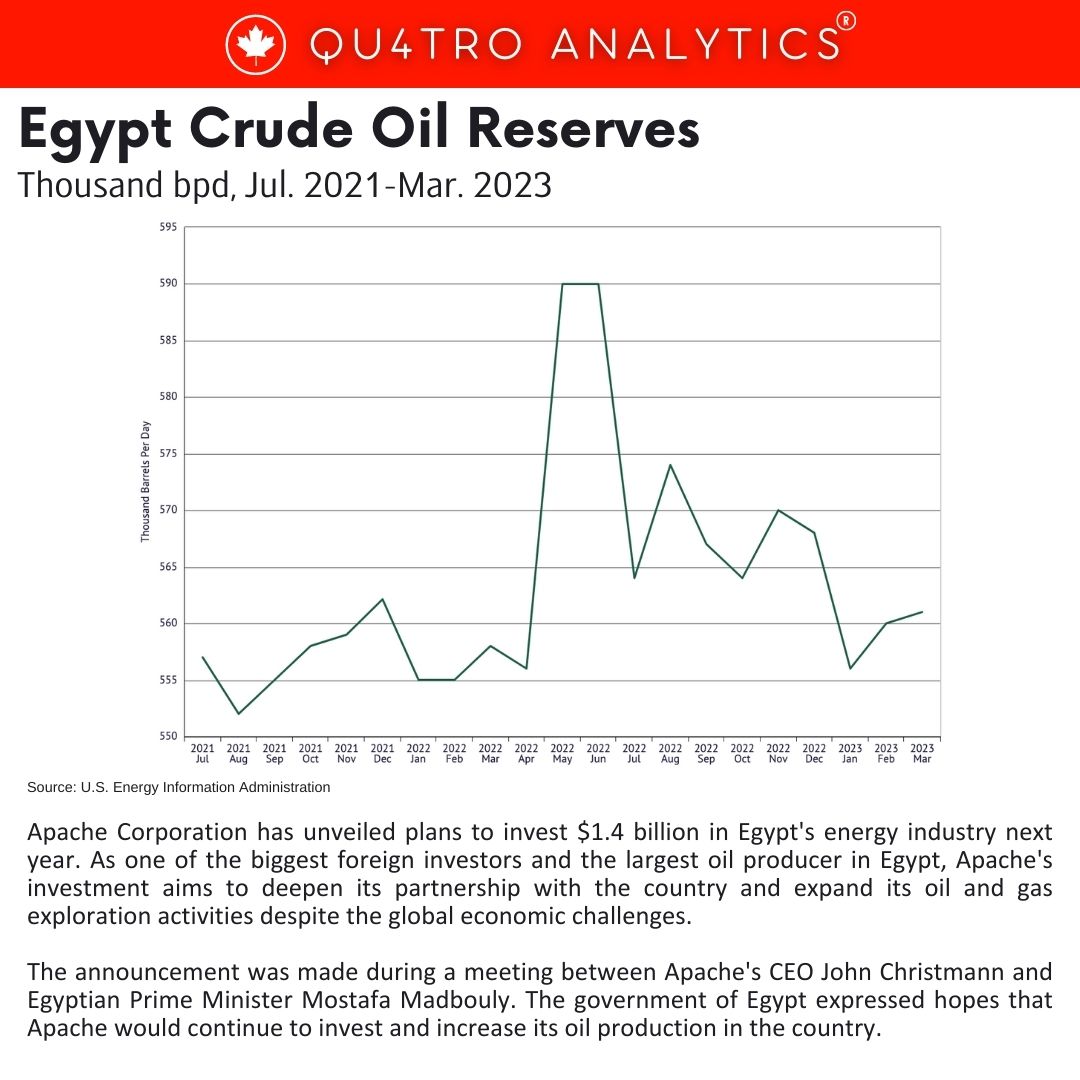 Apache has been operating in Egypt for more than 27 years and is a significant player in the country’s energy sector. With upgrades to its operations, Apache has managed to increase its oil production by 10% to over 150,000 barrels per day.
The company primarily focuses on the Western Desert region of Egypt, with exploration targets in both new and existing acreage. The company holds around 5.3 million gross acres across six separate concessions, with 68% of its acreage considered undeveloped, offering future exploration and development opportunities.
The recent investment commitment from Apache is part of its ongoing efforts to strengthen its presence in Egypt and contribute to the country’s energy development goals.
Interested in learning more?
Sign up for Top Insights Today

Top Insights Today delivers the latest insights straight to your inbox.
You will get daily industry insights on
Oil & Gas, Rare Earths & Commodities, Mining & Metals, EVs & Battery Technology, ESG & Renewable Energy, AI & Semiconductors, Aerospace & Defense, Sanctions & Regulation, Business & Politics.
Read more insights
Shipping industry braces for prolonged Red Sea disruptions
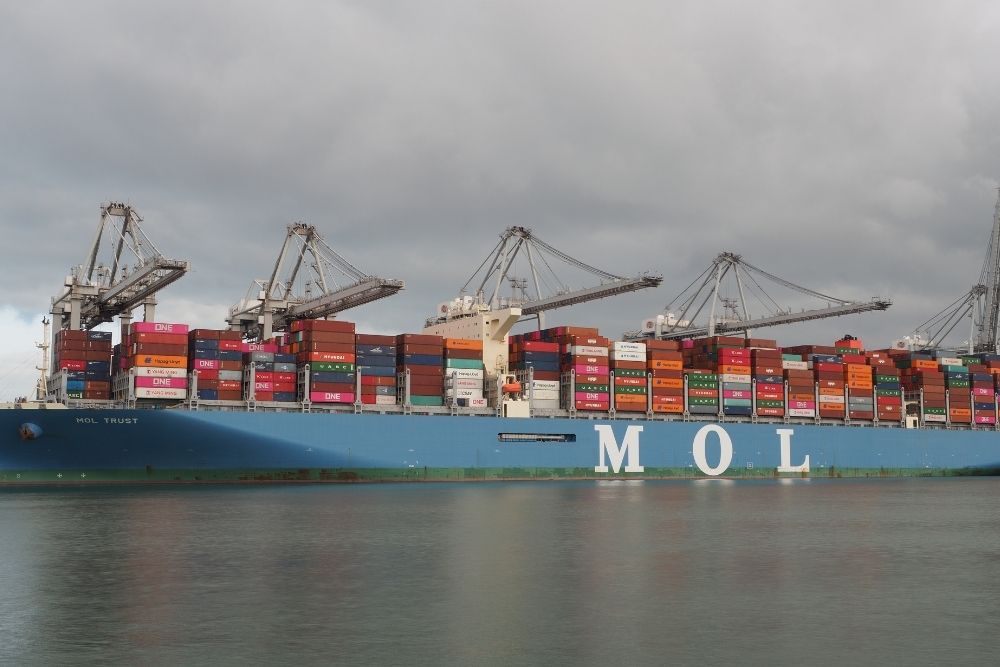
Security threats to commercial shipping in the Red Sea are intensifying rather than abating, with disruptions to maritime trade expected to persist for up to a year, according to major shipping companies. Due to heightened missile attacks by Iran-backed Houthi militants in Yemen, commercial…
Carmakers press EU to dilute 2035 engine ban as EV momentum falters
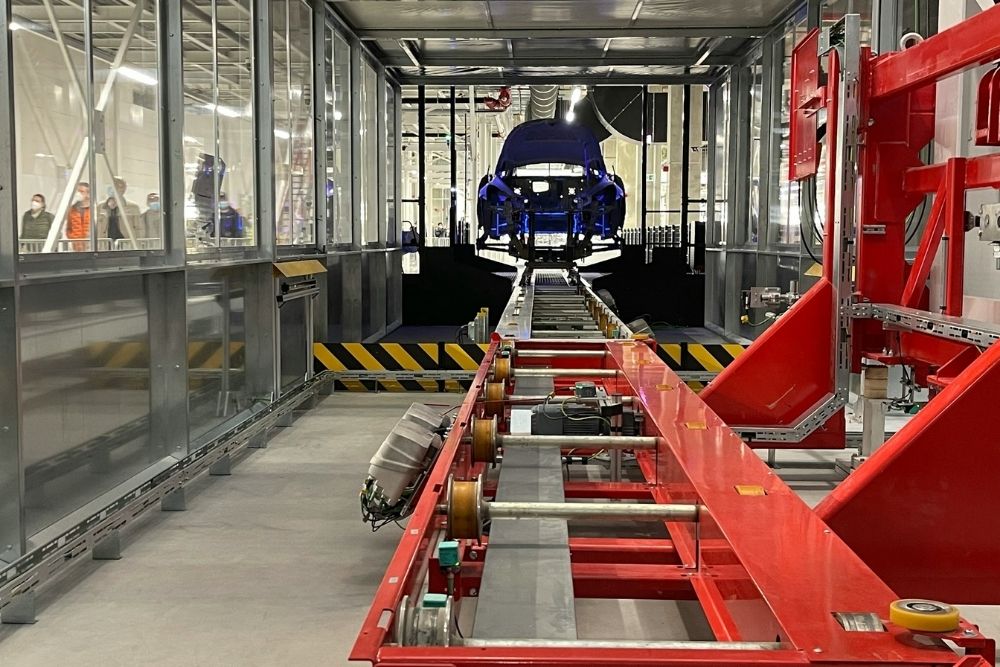
Europe’s car industry is quietly trying to rewrite one of the central planks of the EU’s climate agenda. After betting big on a rapid, clean break from combustion engines to battery electric vehicles, automakers are now pushing Brussels to loosen the rules just as the effective 2035 “engine end-date” starts to look politically and commercially fragile.
Back in March 2023, the EU adopted landmark legislation that said all new cars registered from 2035 would have to be “zero emissions” at the tailpipe. In practice, that meant a de facto phase-out of pure combustion engines and even most hybrids, and a full pivot to battery or fuel-cell electric vehicles.

Copper prices climb as market anticipates $1.4 trillion stimulus package from China
Copper prices saw an uptick along with other industrial metals, driven by speculation about a significant stimulus announcement from China, potentially amounting to 10 trillion yuan (approximately $1.4 trillion). This anticipated fiscal package is expected to be approved during a meeting of China’s top legislative body, the National…