
Hyundai to buy 5% stake in Korea Zinc to develop nickel value chain
- August 31, 2023
- Posted by: Quatro Strategies
- Categories: Asia Pacific, EVs & Battery Technology, Mining & Metals
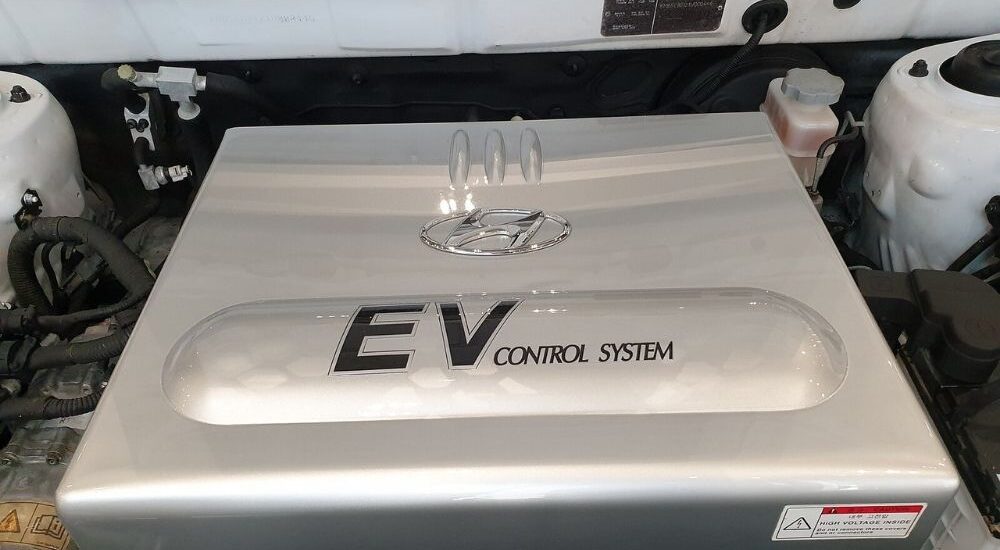
Hyundai Motor Group, the conglomerate that oversees Hyundai, Kia, and Genesis brands, is set to acquire a 5% stake in Korea Zinc Co., the world’s largest smelter for non-ferrous metals. This strategic move is aimed at ensuring access to essential metals used in manufacturing electric vehicle (EV) batteries.
Under this partnership, Hyundai and Korea Zinc will collaborate to develop a “nickel value chain” that encompasses the procurement, processing, and recycling of nickel, a crucial material for EV batteries. Hyundai will invest 527.2 billion won (approximately $398 million) to acquire shares of Korea Zinc as part of this collaboration.
The primary objective of this partnership is to secure a stable supply of nickel for Hyundai’s EV battery production. Hyundai aims to procure 50% of the nickel it needs for EV batteries through this partnership by 2031. This move aligns with President Joe Biden’s Inflation Reduction Act, which encourages automakers to diversify their EV component supply chain beyond China.
Additionally, Hyundai intends to establish a supply chain that adheres to European sourcing standards for critical minerals, as well as other environmental, social, and governance (ESG) requirements.
While Hyundai is investing in battery development research, it has not officially announced plans to manufacture its own lithium-ion batteries. However, the company is exploring emerging battery technologies, including solid-state batteries, and has opened a research center in collaboration with Seoul National University to advance next-generation battery technologies.
Interested in learning more?
Sign up for Top Insights Today

Top Insights Today delivers the latest insights straight to your inbox.
You will get daily industry insights on
Oil & Gas, Rare Earths & Commodities, Mining & Metals, EVs & Battery Technology, ESG & Renewable Energy, AI & Semiconductors, Aerospace & Defense, Sanctions & Regulation, Business & Politics.
Read more insights
Namibia makes series of oil discoveries worth 10.5 billion barrels
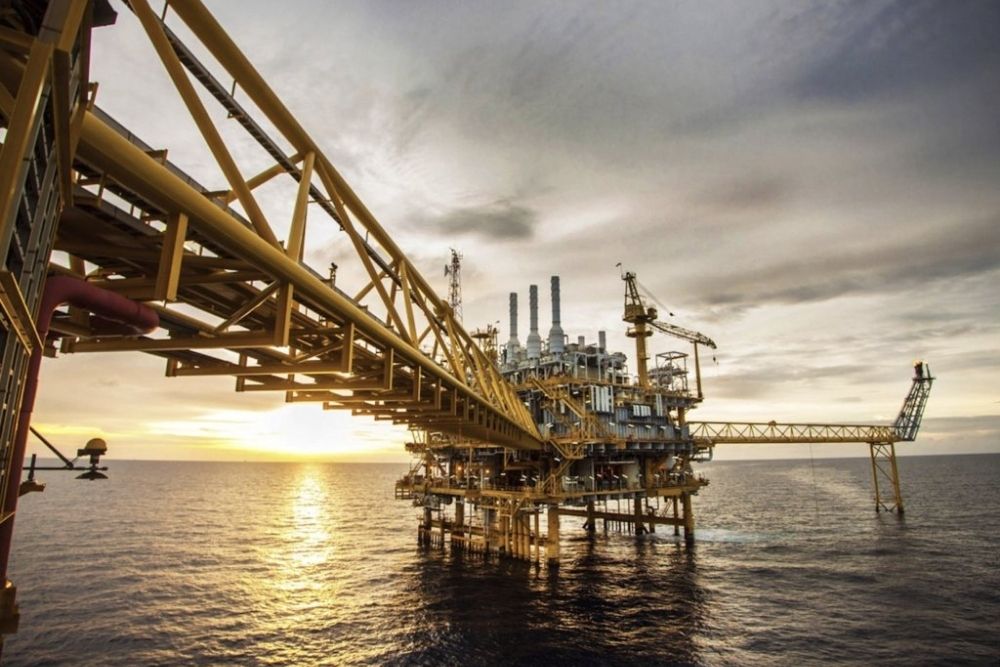
In the last 18 months, a series of oil discoveries have been made in the Orange Basin offshore Namibia, which could potentially hold a combined total of up to 10.5 billion barrels of oil, according to Namibia’s state-owned oil firm, Namcor. The figures are pre-appraisal estimates for oil and exclude associated gas volumes. The discoveries include the Venus field with an estimated 5.1 billion barrels, the Graff field with 2.4-2.6 billion barrels, the Jonker field with 2.5 billion barrels, and the Lesedi field with 0.3 billion barrels.
Chile’s financial regulator steps in as Tianqi disputes SQM-Codelco lithium partnership
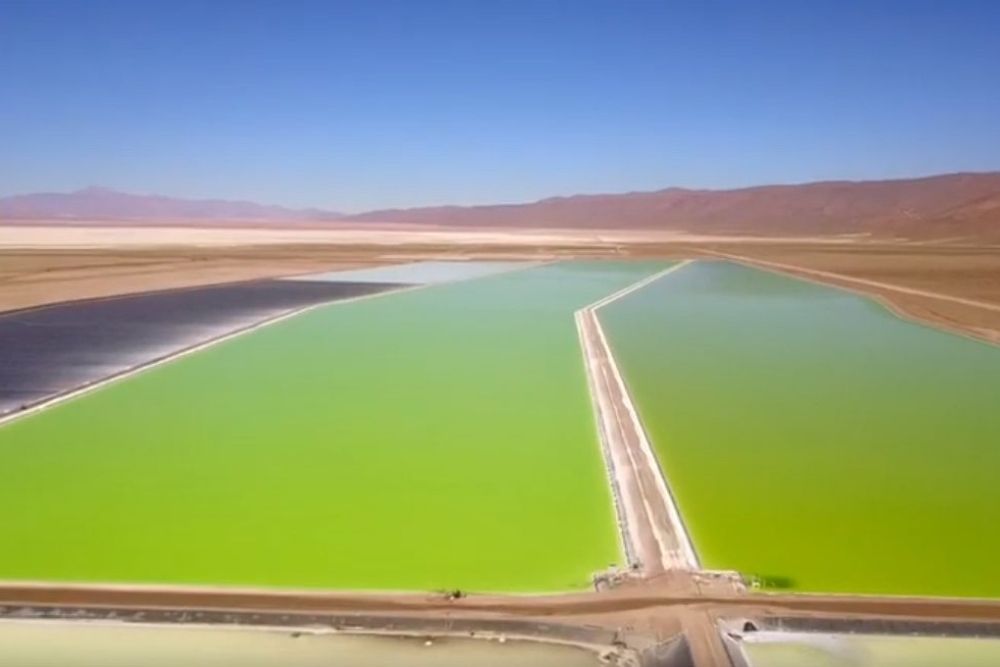
The dispute between China’s Tianqi Lithium and Chilean mining companies SQM and Codelco over a planned lithium partnership has escalated, drawing the attention of Chile’s financial regulator. Tianqi, which holds a significant stake in SQM, has raised concerns about the planned lithium partnership between SQM and…
Indonesia’s commodity strategy meets the limits of producer power
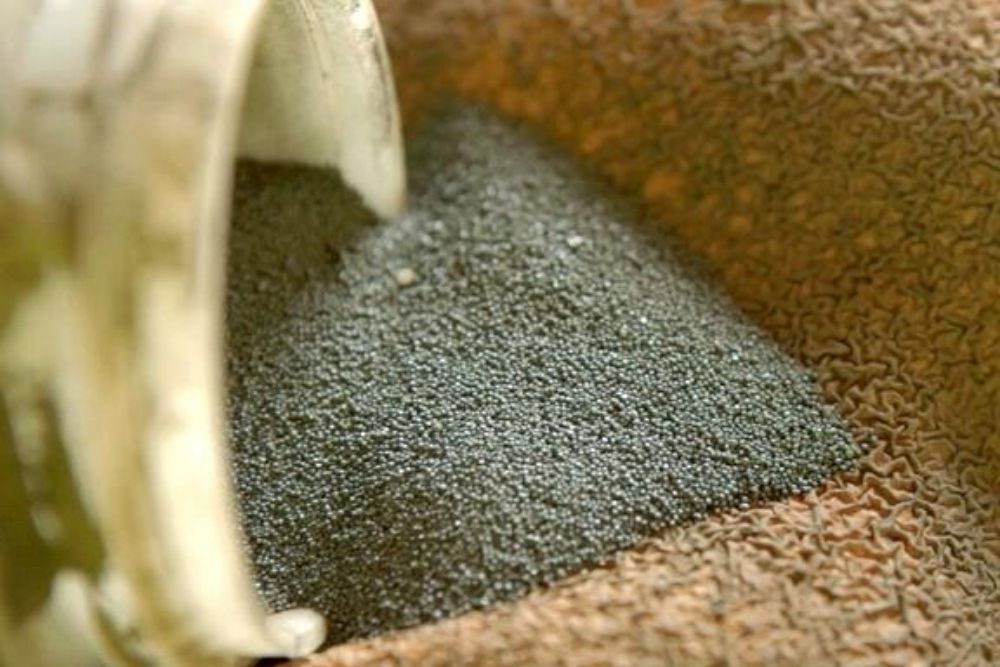
Indonesia has run a coherent resource strategy for six years, and it has worked twice. Phase one was the 2020 nickel ore export ban, which forced smelters onshore and transformed the country from an ore supplier into the dominant producer of processed nickel.
Phase two extended downstream processing mandates across other commodities, most recently the freeze on rare-earth-bearing shipments and pressure for domestic refining. Phase three launches on January 1: a commodity exchange intended to capture pricing power now that processing power has been secured. This is the phase where the strategy runs into something the previous two did not.