
China imposes export restrictions on some fertilizer producers
- September 7, 2023
- Posted by: Quatro Strategies
- Categories: China, Sanctions & Regulation
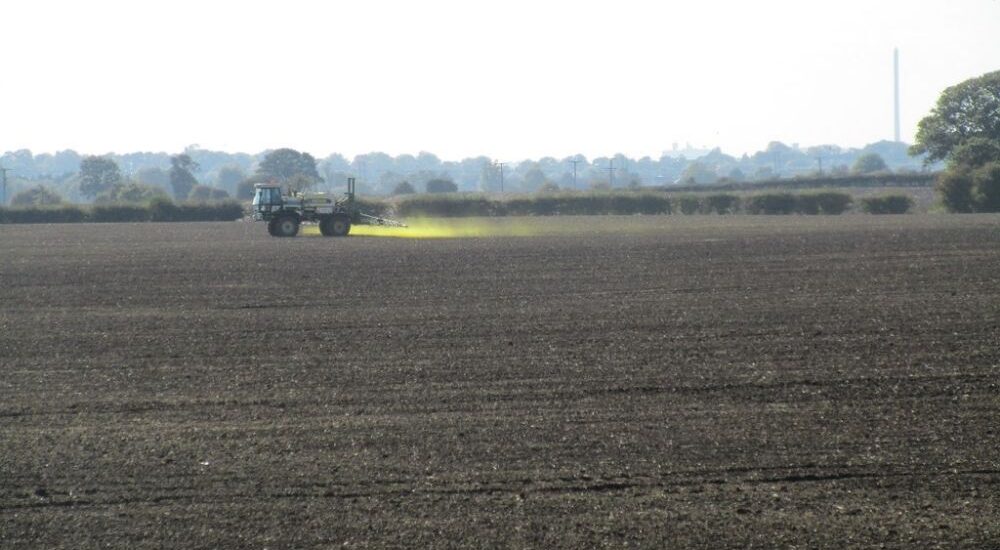
China has taken the step of instructing some fertilizer producers to suspend urea exports as a response to rising domestic prices. This move is expected to limit supplies and lead to increased costs for farmers in major importers like India.
Prominent Chinese fertilizer producers have ceased entering into new export agreements since the start of the month as per government orders. Currently, these restrictions pertain solely to urea.
Urea prices experienced a nearly 50% surge on the Zhengzhou Commodity Exchange during a seven-week period from mid-June to the end of July. However, prices have been subject to fluctuations since that time and are currently approximately 11% lower this week.
As the world’s leading producer and consumer of urea, China’s decision to reduce exports has the potential to constrict global supplies and drive up prices. Some of the key export markets for Chinese urea include India, South Korea, Myanmar, and Australia.
While at least one producer, CNAMPGC Holding Co., has made public announcements about its intention to curtail fertilizer exports to maintain stable supplies and prices.
These restrictions introduce another layer of volatility to the global agricultural market, which has already grappled with extreme weather events, export constraints in India, and the conflict in Ukraine involving Russia.
Interested in learning more?
Sign up for Top Insights Today

Top Insights Today delivers the latest insights straight to your inbox.
You will get daily industry insights on
Oil & Gas, Rare Earths & Commodities, Mining & Metals, EVs & Battery Technology, ESG & Renewable Energy, AI & Semiconductors, Aerospace & Defense, Sanctions & Regulation, Business & Politics.
Read more insights
EU carbon permit price forecasts revised downward following record low emissions
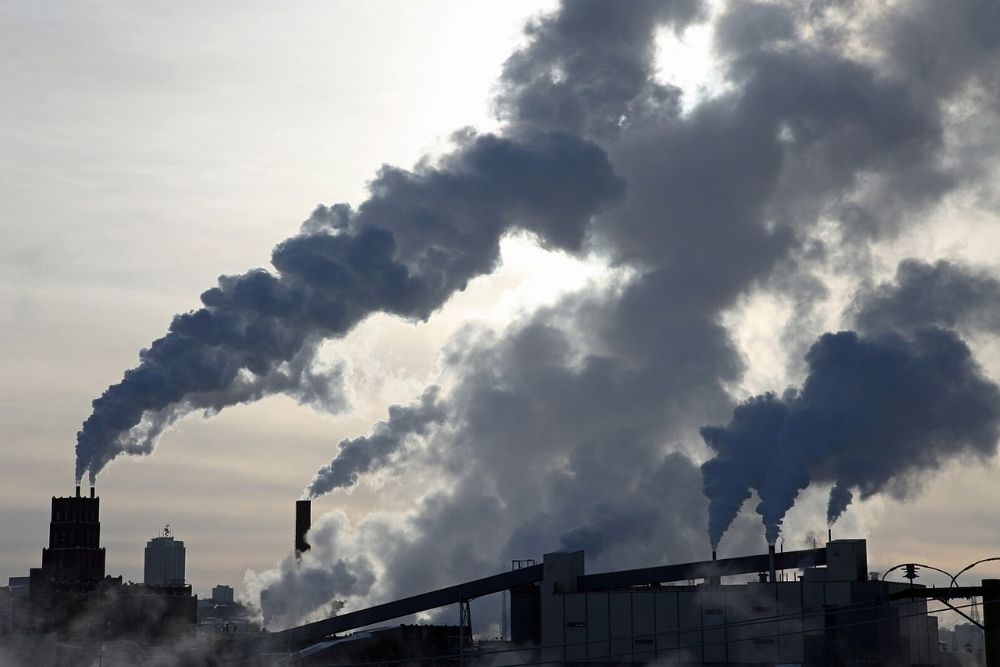
Analysts have revised their price forecasts for European Union carbon permits for the years 2024 to 2026 downward, following a period of record low emissions covered by Europe’s carbon market last year. The average forecast for EU Allowances (EUAs) stands at 63.96 euros per metric ton for this year…
Despite tariffs, China’s steel sector keeps iron ore prices resilient
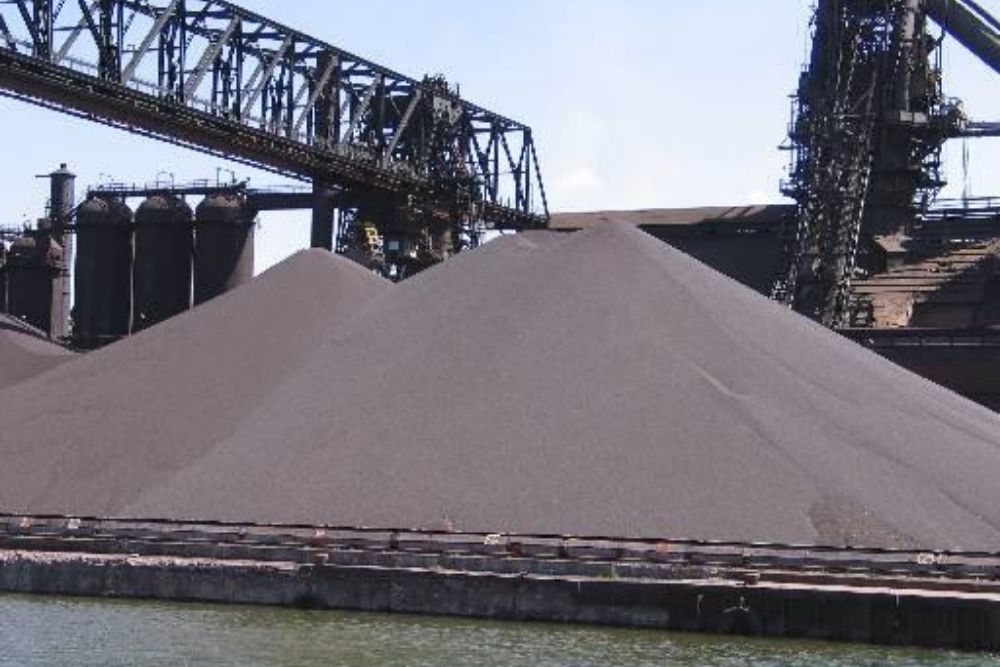
Despite rising global concern over the economic fallout of U.S. President Donald Trump’s sweeping tariffs on China, the iron ore market—a key barometer of industrial health in China—has remained remarkably steady. While many sectors reel from the trade war, iron ore, which fuels China’s massive steel industry, has shown surprising resilience.
Iron ore is the commodity most exposed to China, with the country purchasing more than 70% of global seaborne volumes. Yet, prices have hovered within a narrow range for months, reflecting stable underlying demand. After dipping to a seven-month low of $96.20 per ton on May 1, Singapore-traded iron ore contracts recently rebounded to $99.35.
Spot LNG market sees uptick in Asian demand as prices drop sharply
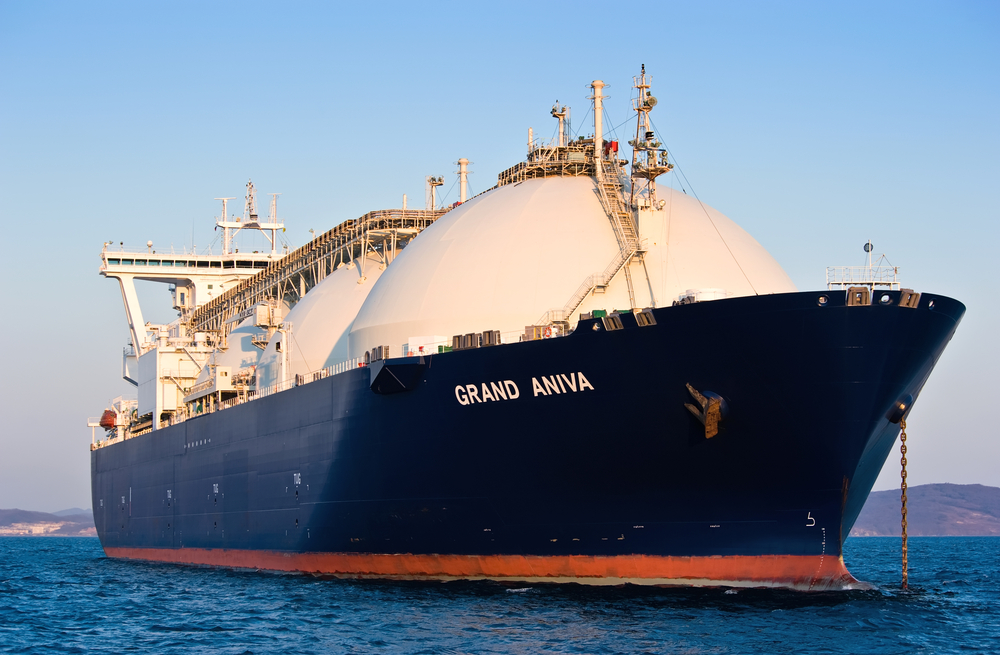
Chinese liquefied natural gas (LNG) buyers are returning to the spot market after months of restraint, seizing the opportunity presented by a sharp drop in global gas prices. Last week, at least two LNG shipments were purchased by Chinese firms at around $10 per million British thermal units (mmBtu) — the lowest price point seen in about a year.
This marks a significant shift in behavior for the world’s top LNG importer, which had been largely inactive in the spot market through early 2025. Until now, Chinese buyers had been reselling contracted volumes and reducing imports due to high gas prices and weaker-than-expected domestic demand. According to customs data, China’s LNG imports dropped by 24% from January to April compared to the same period last year.