
Glencore backs Canadian lithium miner Tantalex’s DR Congo operations
- September 14, 2023
- Posted by: Quatro Strategies
- Categories: Africa, Mining & Metals, Rare Earths & Commodities
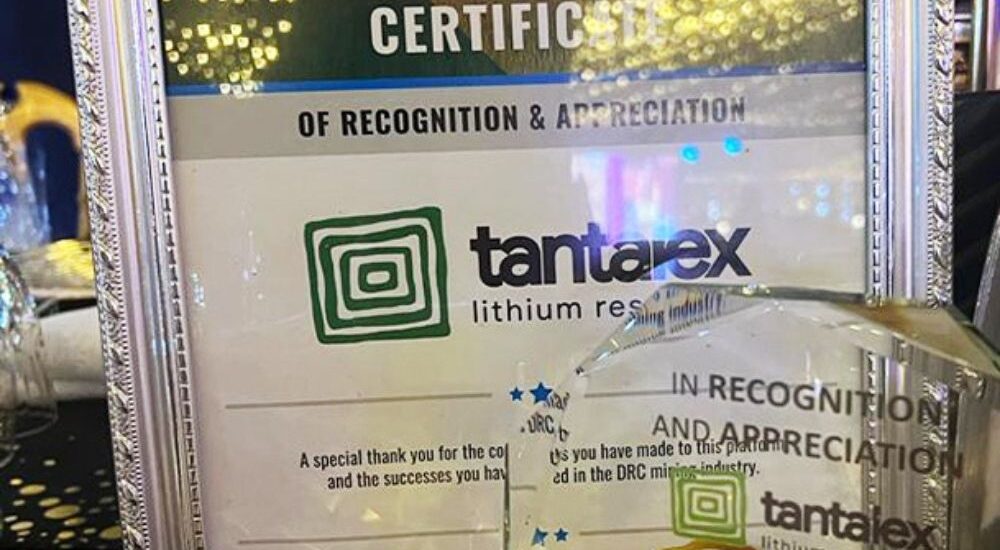
Glencore, the Swiss mining and trading company, has backed Tantalex Lithium, a Canadian junior miner focused on producing lithium from the Democratic Republic of Congo (DRC). Under the agreement, Glencore will pay Tantalex a staggered $5 million as part of a marketing off-take deal and will finance a third of the capital requirements for Tantalex’s Manono tailings project in the DRC, provided certain conditions are met.
Tantalex’s Manono tailings project in the DRC involves the extraction of lithium from tailings dams, which are common waste disposal methods for miners. The project holds the potential to produce lithium from tailings deposited several years ago, with some reaching maximum heights of 70 meters (230 feet), according to Tantalex.
This backing from Glencore marks a significant milestone in de-risking the Manono tailings project, as it brings Glencore’s expertise and resources to the table. Glencore began trading lithium approximately a year ago but has stated that it has no interest in owning lithium assets outright.
Globally, mining companies and manufacturers are striving to secure lithium supplies, a key component for battery electric vehicles, as the world seeks faster alternatives to clean energy. Tantalex aims to become the first lithium producer in the DRC, and this partnership with Glencore is expected to play a pivotal role in achieving that goal.
Interested in learning more?
Sign up for Top Insights Today

Top Insights Today delivers the latest insights straight to your inbox.
You will get daily industry insights on
Oil & Gas, Rare Earths & Commodities, Mining & Metals, EVs & Battery Technology, ESG & Renewable Energy, AI & Semiconductors, Aerospace & Defense, Sanctions & Regulation, Business & Politics.
Read more insights
California-based Kairos Power receives approval for innovative nuclear reactor design
Kairos Power, a California-based startup, has achieved a significant milestone in the field of nuclear energy by receiving approval from the US Nuclear Regulatory Commission (NRC) to build its Hermes demonstration reactor in Tennessee. This marks the first time in over 50 years that the NRC…
China factory profits slide again, undermining fragile recovery narrative
China’s factory sector just flashed another warning sign: company profits have slipped back into reverse, undercutting the brief sense of stabilization that had built up over the summer.
After two months of earnings growth above 20%, industrial profits in October fell 5.5% from a year earlier, according to the National Bureau of Statistics. That wasn’t supposed to happen. Many estimations had pencilled in a modest increase, with an expected a gain of nearly 3%. Instead, the picture that emerges is of an economy that can still hit its headline growth target, but only by leaning on policy support and narrow pockets of strength, while much of the corporate sector struggles to make decent money.
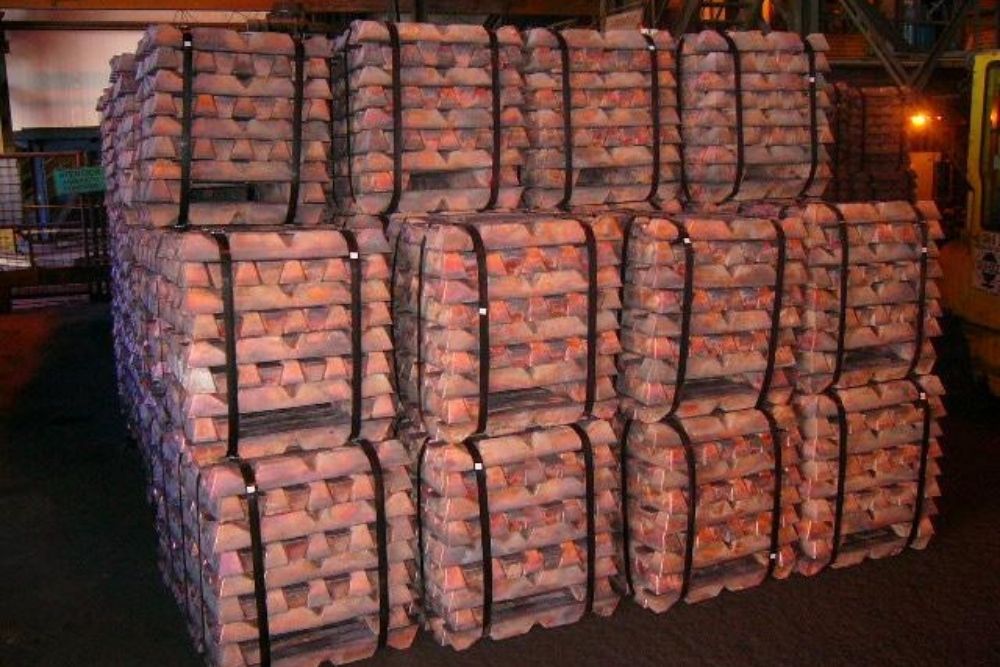
Copper’s record price is really a map of jurisdictional scarcity
The clearest way to understand the copper market right now is to hold two facts alongside each other. CRU forecast a global surplus of 639,000 tonnes for 2026. Comex inventories have risen for 46 consecutive days to a record 675,185 tonnes.
Those numbers are almost identical, and the coincidence is the entire story: essentially the whole projected surplus is sitting in American warehouses, duty-paid, behind a tariff that has not been announced, unavailable to anyone outside the United States.